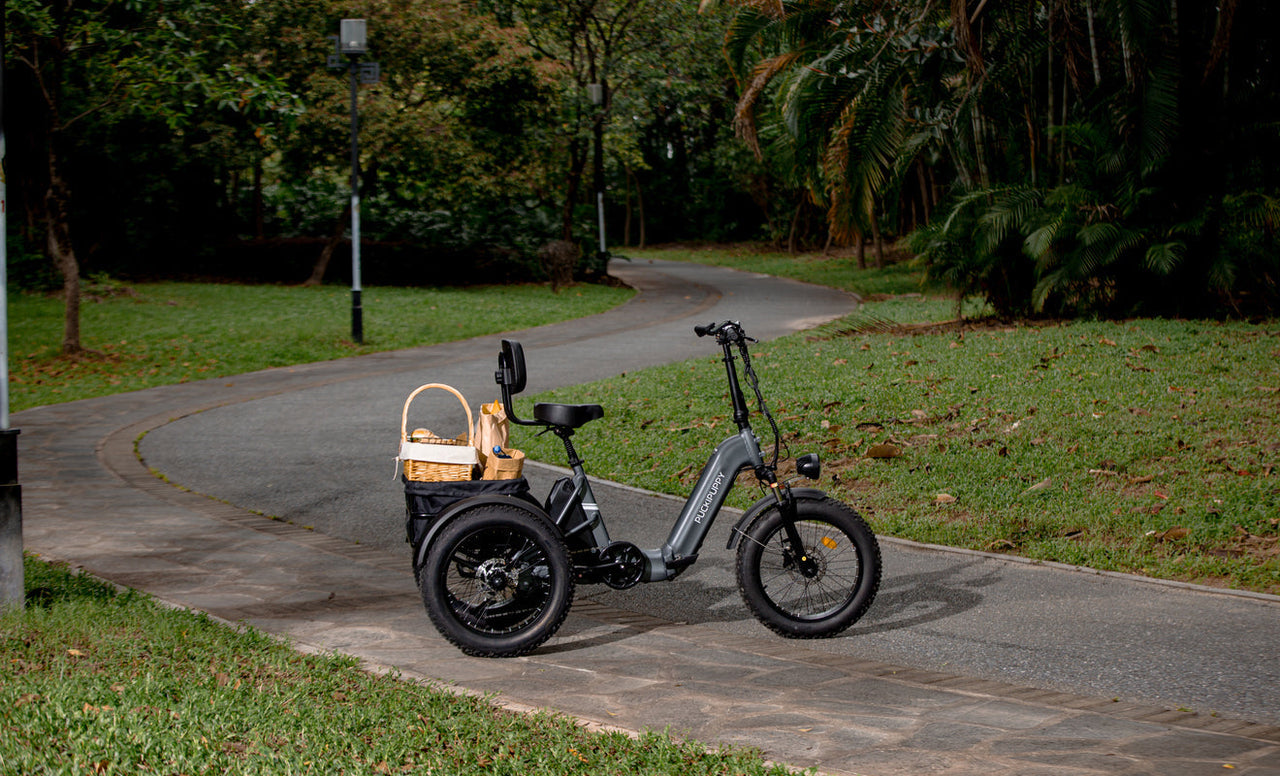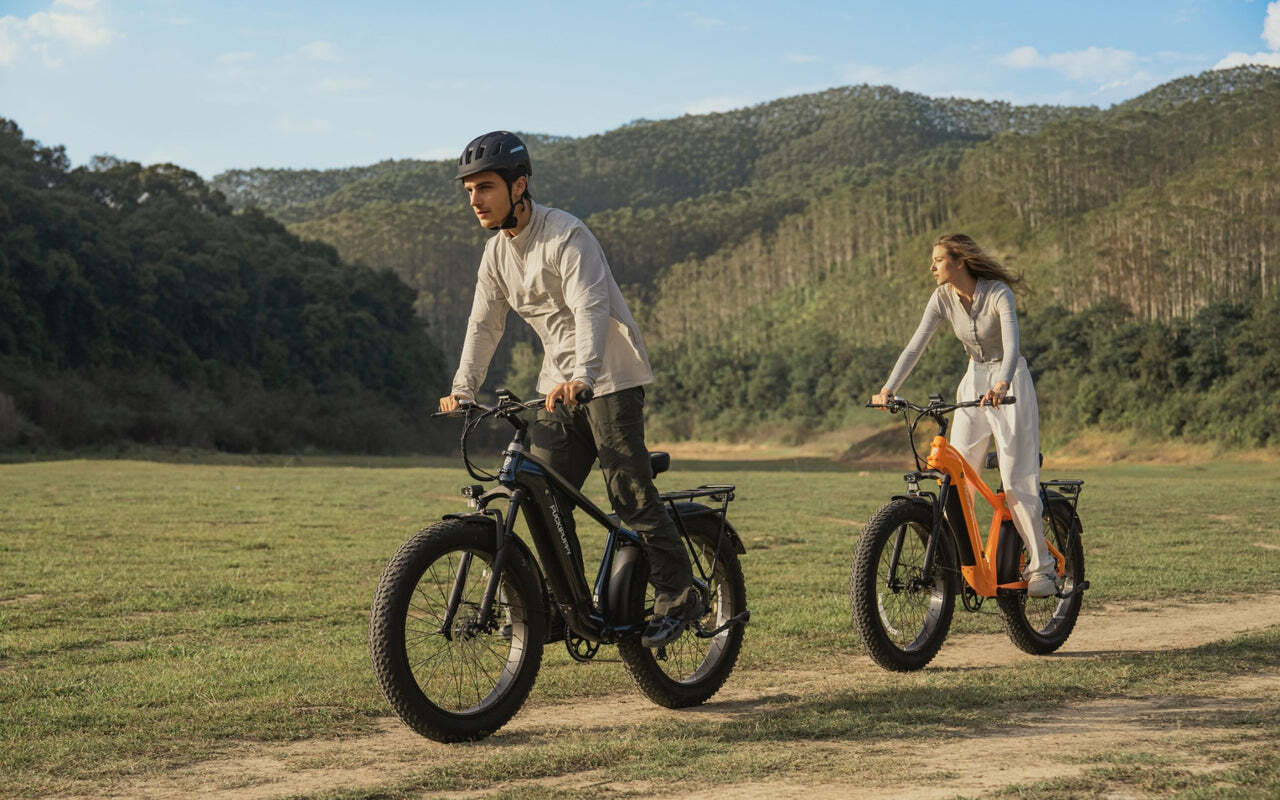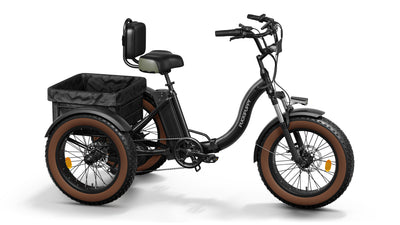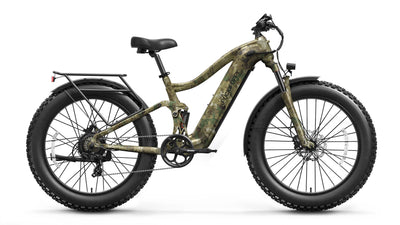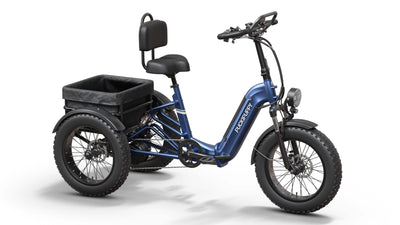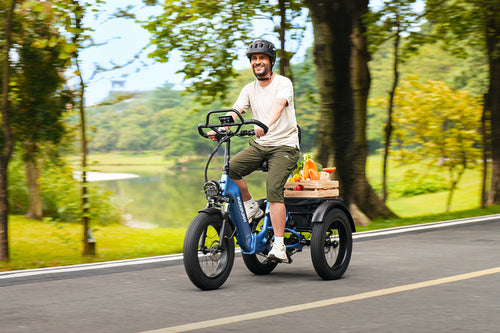
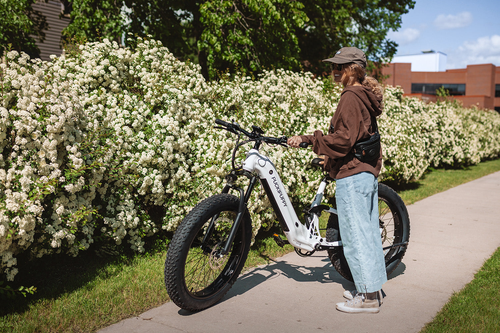


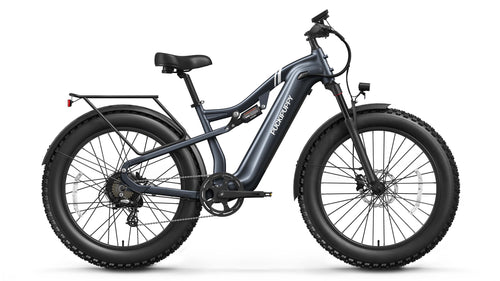
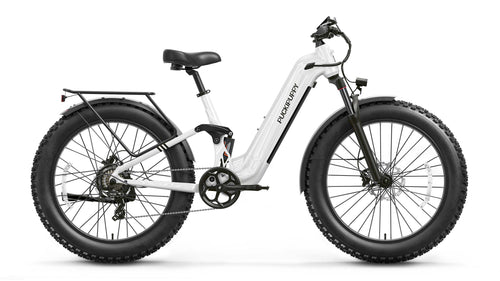

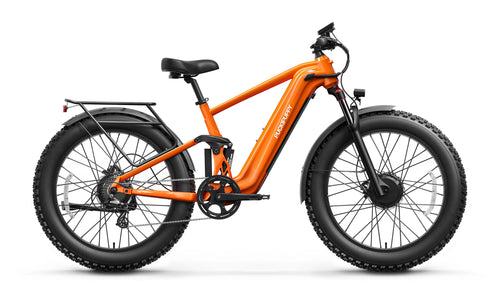
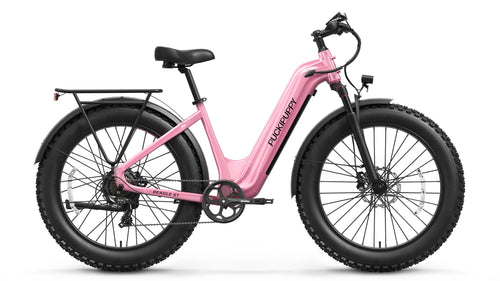


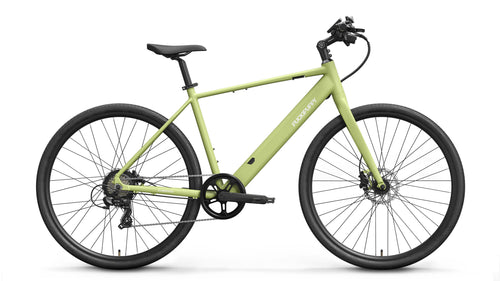
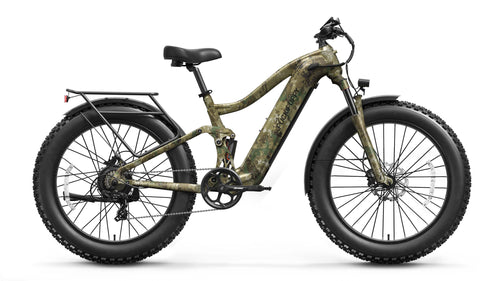
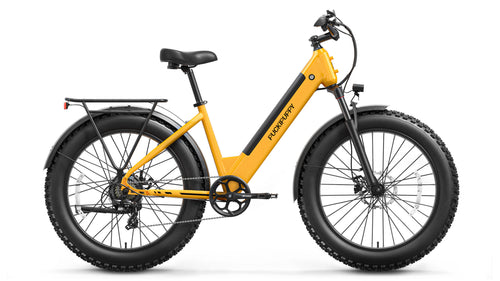
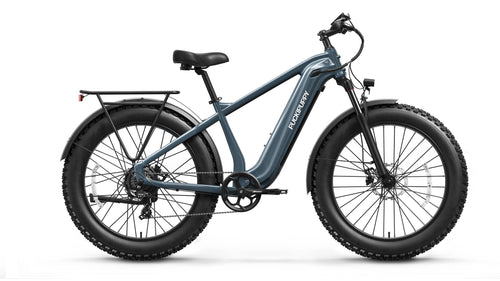
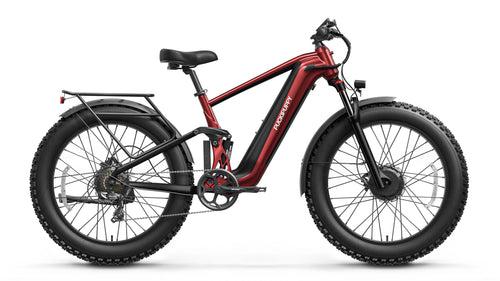
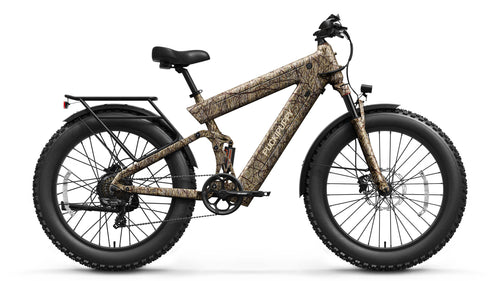
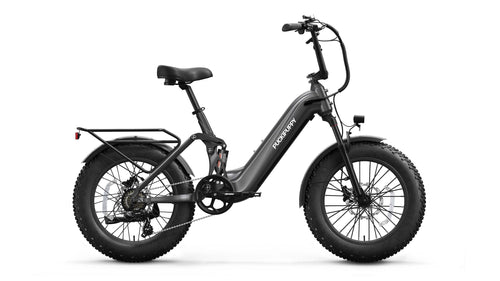





















At a glance, electric bikes and electric motorcycles seem similar. Both run on batteries. Both are quiet. Both promise lower operating costs than gas-powered vehicles.
But once you look past the electric motor, they solve very different transportation problems.
The real difference isn’t just speed. It’s licensing, infrastructure access, ownership cost, storage, stress level in traffic, and how the vehicle fits into your daily routine.
If you’re deciding between an electric bike and an electric motorcycle, here’s what actually changes in real life.
Quick Comparison: The Core Differences
Before diving deeper, here’s a side-by-side snapshot:
|
Factor |
Electric Bike |
Electric Motorcycle |
|
Top Speed |
20–28 mph (Class 1–3) |
60–100+ mph |
|
Motor Power |
Up to 750W (legal limit in most U.S. states) |
3,000W–20,000W+ |
|
License Required |
No (if within e-bike classification) |
Yes |
|
Registration & Plate |
Not required |
Required |
|
Insurance |
Optional |
Mandatory |
|
Bike Lane Access |
Yes |
No |
|
Typical Weight |
40–80 lbs |
150–400+ lbs |
|
3-Year Ownership Cost |
Low |
Significantly higher |
That table answers the surface-level differences. The rest of this article explains what those differences actually mean in daily use.
Legal Classification: Where the Line Actually Is
This is where most confusion happens.
In most U.S. states, electric bikes are legally defined under a three-class system:
-
Class 1: Pedal assist only, up to 20 mph
-
Class 2: Throttle allowed, up to 20 mph
-
Class 3: Pedal assist up to 28 mph
All three typically share one major limit:
Maximum motor power of 750 watts (1 horsepower).
Stay within those limits, and your e-bike is legally treated as a bicycle. No driver’s license. No registration. No mandatory insurance.
Electric motorcycles are different. They exceed these limits and are legally classified as motor vehicles. That means:
-
Motorcycle license endorsement
-
Vehicle registration
-
License plate
-
Liability insurance
-
DOT-approved components
-
Compliance with motor vehicle laws
The “E-Moto” Gray Area
There’s a growing category of high-power bikes marketed as “e-motos.” Many feature:
-
1000W–3000W motors
-
Throttle speeds above 30 mph
-
Minimal pedal usage
These often exceed legal e-bike limits but lack motorcycle certification.
The result? A legal gray zone.
In many jurisdictions, riding one on public roads can lead to:
-
Vehicle impoundment
-
Fines
-
No insurance coverage in accidents
-
Liability exposure
If you want clear legal protection and highway access, electric motorcycles provide it. If you want simplicity and infrastructure flexibility, legal e-bikes provide that.

The Real Cost Difference Over 3 Years
Sticker price doesn’t tell the full story.
Purchase Price
-
Quality e-bike: $1,000–$3,500
-
Electric motorcycle: $8,000–$15,000+
That gap is obvious. What’s less obvious are ongoing costs.
Annual Operating Costs
Electric motorcycles require:
-
Insurance: $500–$1,000 per year
-
Registration and plate: $50–$200 per year
-
Licensing fees
-
Possible inspections
E-bikes typically require none of those.
Electricity costs are low for both. Charging either vehicle costs far less than fueling a gas vehicle. But insurance and registration alone often add $750–$1,200 annually to motorcycle ownership.
Over three years, the total ownership gap can easily reach $10,000–$15,000.
That difference can fund a lot of rideshare trips or occasional car rentals for longer journeys.
How They Actually Feel on the Road
Specs don’t tell you how a vehicle feels in traffic.
Stop-and-Go City Riding
Electric bikes excel here.
-
Lighter weight makes low-speed control easier.
-
Pedal assist provides natural acceleration.
-
You can use bike lanes to bypass congestion.
Electric motorcycles are powerful and stable, but heavier. In tight urban settings, that weight becomes noticeable.
Mixed-Speed Urban Roads (30–45 mph)
This is where the difference sharpens.
A Class 3 e-bike at 28 mph can keep pace on many city streets. But once traffic regularly exceeds 40 mph, speed differential becomes stressful.
Electric motorcycles shine here. They accelerate confidently to match traffic flow and reduce overtaking anxiety.
Highway Speeds
Electric bikes are not permitted on highways.
Electric motorcycles are fully capable of highway speeds and legally allowed on limited-access roads.
If your commute requires 55–70 mph travel, this alone may determine your choice.
Access: Where You Can Actually Ride
This is one of the most overlooked differences.
Electric Bikes Can Use:
-
Bike lanes
-
Multi-use paths (depending on class)
-
City streets
-
Some park trails
That flexibility dramatically changes commute time in dense cities. Being able to bypass car traffic is often more valuable than raw speed.
Electric Motorcycles Are Limited To:
-
Public roads
-
Highways
-
Standard traffic lanes
No bike lanes. No multi-use paths. No sidewalk access.
For short urban trips with strong bike infrastructure, e-bikes often move more efficiently through cities despite lower top speeds.
Storage, Parking, and Theft Risk
This is rarely discussed, but extremely important.
Storage
E-bikes can often be:
-
Brought into apartments
-
Stored indoors at offices
-
Locked at standard bike racks
Electric motorcycles require:
-
Dedicated parking spaces
-
Outdoor storage or a garage
-
Motorcycle-rated locking systems
If you live in an apartment without secure parking, this matters.
Theft Considerations
E-bikes are easier to steal and resell. They lack VIN tracking and are less traceable.
Motorcycles:
-
Have VIN numbers
-
Require title transfer
-
Are typically insured against theft
Insurance protection reduces financial risk for motorcycles. E-bike theft often results in full out-of-pocket replacement unless separately insured.
Weather and Seasonal Reality
Both vehicles are exposed to the elements.
Electric motorcycles typically offer:
-
Greater weight stability in crosswinds
-
Larger tires for road grip
-
Highway-capable braking systems
Electric bikes:
-
Are more maneuverable
-
Lighter to handle in tight spaces
-
Easier to bring indoors during harsh weather
If you plan to ride year-round in cold climates, heavier motorcycles may offer stability advantages. But daily practicality may still favor e-bikes for shorter trips.

Which One Fits Your Real Routine?
This is where the decision becomes clear.
Choose an Electric Bike If:
-
Your trips are under 15–20 miles
-
You have access to bike lanes or city infrastructure
-
You want zero licensing and registration complexity
-
You value flexibility and low ownership cost
-
You live in an apartment or need indoor storage
An electric bike replaces short car trips. It reduces daily friction.
Learn more: How to Choose an Electric Bike
Choose an Electric Motorcycle If:
-
You regularly ride on 50+ mph roads
-
You need highway capability
-
Your commute exceeds 25 miles each way
-
You’re comfortable with licensing and insurance costs
-
You want full vehicle-level performance
An electric motorcycle replaces a motorcycle — or even a car — for longer routes.
The Hidden Factor: Ownership Stress
Beyond cost and speed, there’s mental load.
Electric motorcycles involve:
-
Insurance renewals
-
Registration paperwork
-
Compliance requirements
-
Parking logistics
Electric bikes involve:
-
Charging
-
Basic maintenance
-
Locking securely
Neither is complicated. But one is legally treated as a motor vehicle; the other is treated as a bicycle.
That difference changes how much administrative responsibility you carry.
Final Reality Check
An electric motorcycle replaces a traditional motorcycle.
An electric bike replaces short urban car trips.
They are not scaled versions of each other. They serve different transportation tiers.
If your life revolves around highways and long-distance travel, an electric motorcycle makes sense.
If your life revolves around daily urban mobility, short commutes, errands, and flexible infrastructure access, an electric bike often covers 90% of needs at a fraction of the long-term cost.
The better choice isn’t about power.
It’s about how much of your transportation routine you want to replace — and how much complexity you’re willing to accept.
Frequently Asked Questions
Do electric bikes require a license?
No, as long as they meet Class 1–3 specifications (typically 750W max and 20–28 mph limits).
Can electric bikes go on highways?
No. E-bikes are prohibited from limited-access highways.
Are high-power e-motos legal as bicycles?
In most states, anything exceeding 750W or class speed limits falls outside e-bike classification and may require motorcycle compliance.
Is an electric motorcycle cheaper long term?
No. Insurance, registration, and licensing significantly increase total ownership cost compared to e-bikes.
Which is safer in traffic?
Safety depends on route type. E-bikes are safer in bike-lane environments. Motorcycles are safer at highway speeds where matching traffic flow matters.