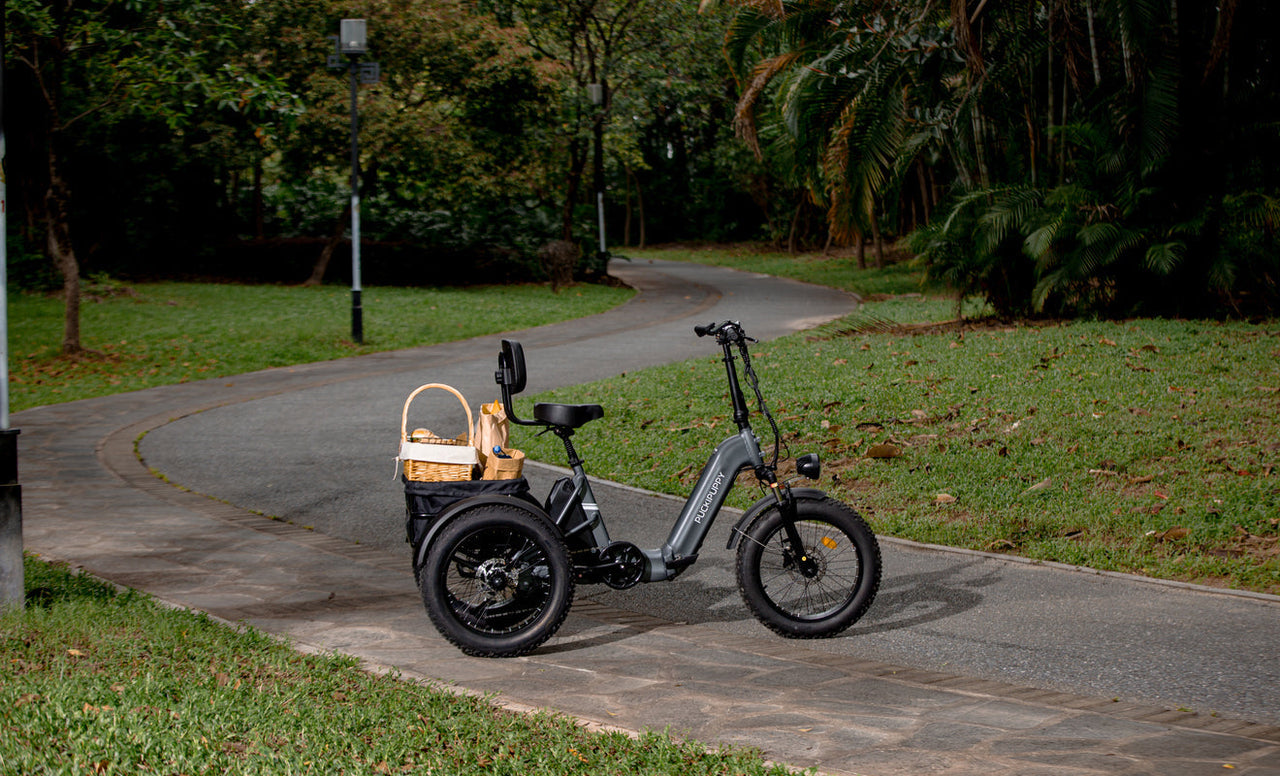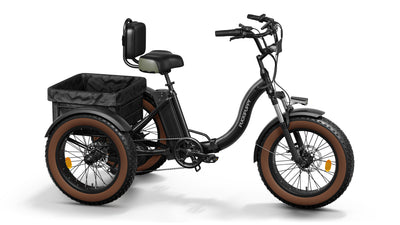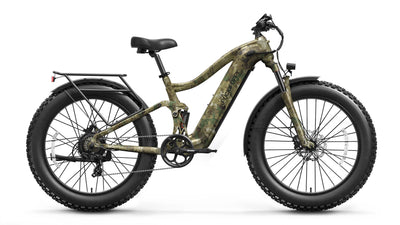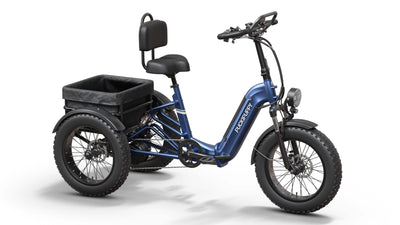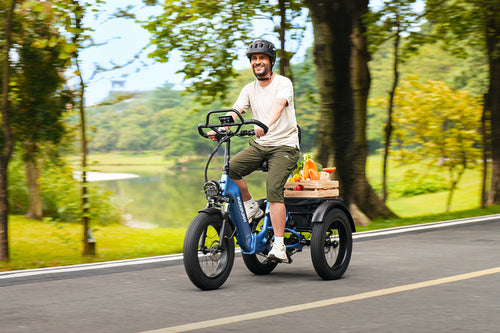
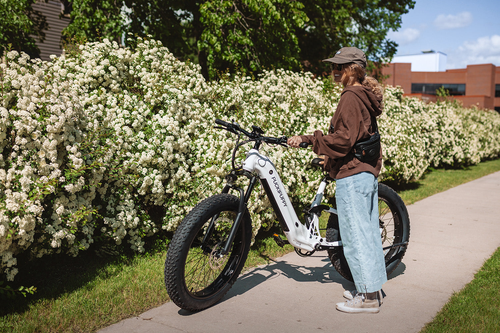


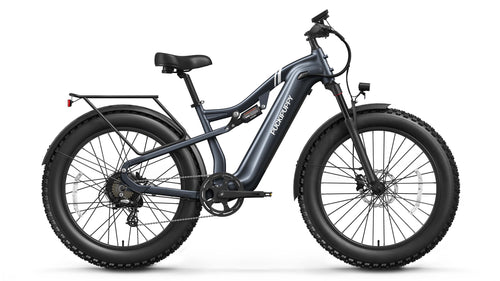
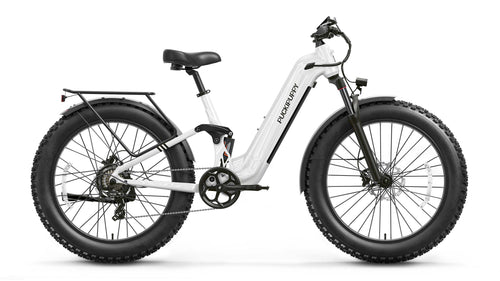

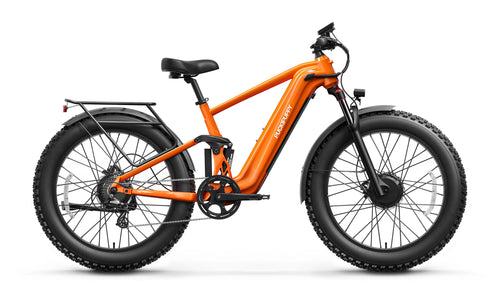

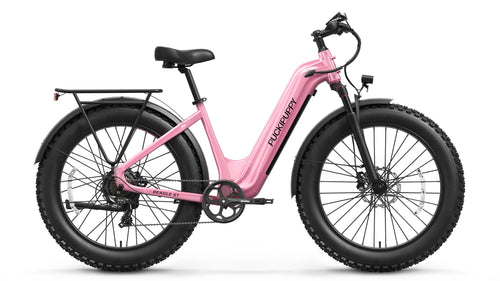


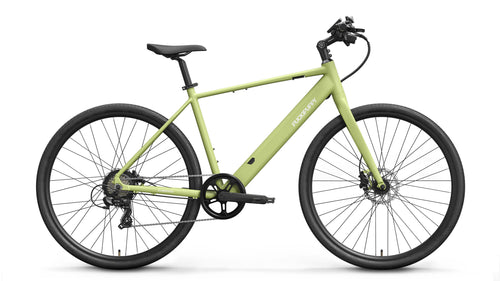
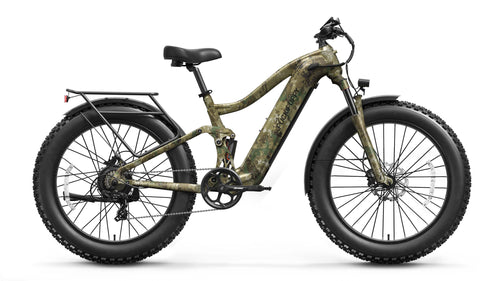
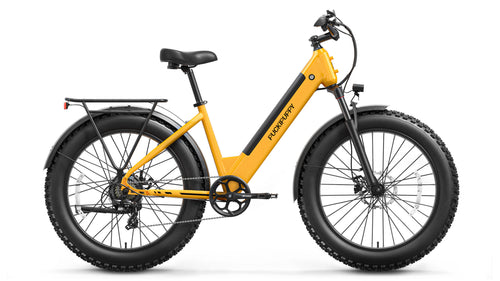
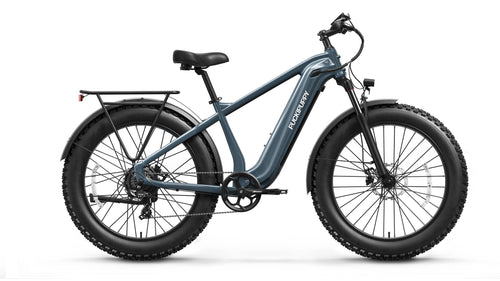
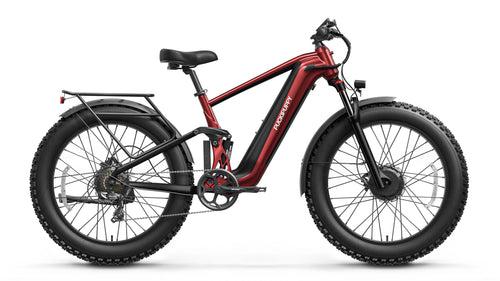
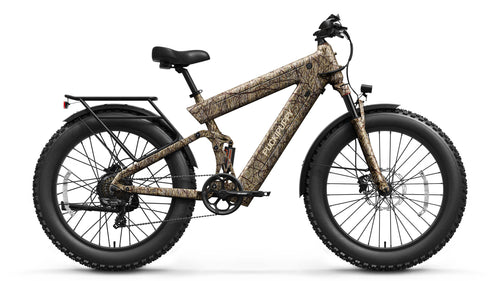
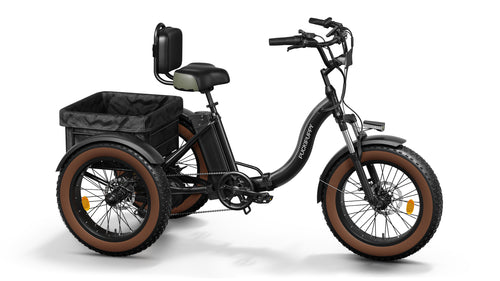
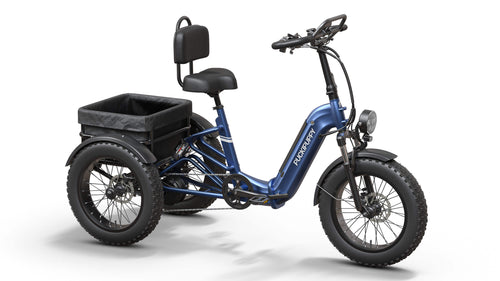
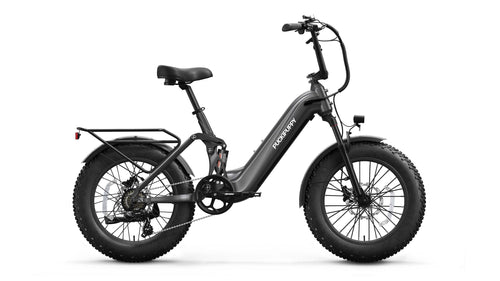
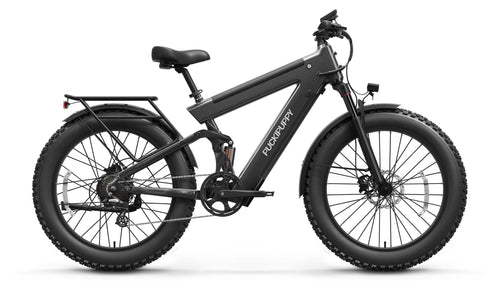
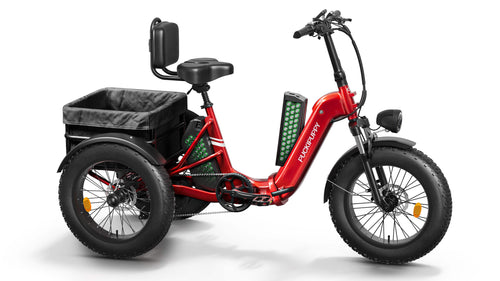




















Winter riding offers unique joys—fresh air, fewer crowds, and beautiful snowy landscapes. But cold temperatures, moisture, salt, and grime pose serious threats to your electric bike's critical components. Unlike traditional bicycles, E-Bikes contain sophisticated electrical systems that require special attention in freezing conditions. This comprehensive 1500-word guide provides actionable strategies to keep your E-Bike performing optimally throughout winter while extending its lifespan.
🔋 Battery Management: The Heart of Winter E-Bike Care
Understanding Cold-Weather Battery Chemistry
Lithium-ion batteries experience reduced efficiency below 0°C (32°F). Chemical reactions slow down, temporarily decreasing capacity by 20-30%. More critically, charging a frozen battery can cause permanent damage through lithium plating.
Daily Battery Protocol
-
Storage Strategy: Always store batteries indoors at room temperature (15-20°C/60-68°F)
-
Pre-ride Preparation: Bring cold batteries inside for 1-2 hours before riding
-
Charging Rules:
-
Only charge at temperatures above 0°C (32°F)
-
Allow battery to warm to room temperature before charging
-
Disconnect immediately once fully charged
-
Charge Level Management: Maintain 40-80% charge for daily use; avoid full discharges
Weekly Battery Maintenance
-
Clean contacts with isopropyl alcohol and cotton swabs
-
Check for physical damage or swelling
-
Use dielectric grease on electrical contacts to prevent corrosion
-
Test capacity with a battery analyzer monthly
Long-term Winter Storage
For seasonal storage:
-
Charge to 60-70% capacity
-
Store in climate-controlled environment
-
Recharge to 60-70% every 8 weeks
-
Consider using a battery maintainer like CTEK Lithium XS
⚙️ Drivetrain and Mechanical Components
Winter-Specific Lubrication Strategy
Standard lubricants thicken in cold weather, increasing friction and wear.
Recommended Winter Products:
-
Chains: Wet lubricants (Finish Line Wet, Squirt Long Lasting)
-
Bearings: Lightweight synthetic grease (Park Tool PolyLube 1000)
-
Cables: Teflon-based cable lubricants
-
Pivot Points: Dry film lubricants for derailleurs and brakes
Application Schedule:
-
Chain lubrication: Every 100 miles or weekly
-
Cable lubrication: Monthly
-
Bearing repacking: Every 3 months in severe conditions
Drivetrain Cleaning Protocol
Winter roads accumulate salt, sand, and corrosive chemicals that accelerate wear.
5-Step Cleaning Process:
-
Pre-rinse with lukewarm water to remove loose debris
-
Apply biodegradable bike cleaner to chain, cassette, and chainrings
-
Scrub with stiff brushes (chain brush, cassette brush)
-
Rinse thoroughly with low-pressure water
-
Dry completely before applying lubricant
Pro Tip: Use a chain cleaning device with winter-specific cleaning solution for best results.
🛞 Tires and Traction Optimization

Winter Tire Selection Guide
|
Riding Condition |
Recommended Tire Type |
Key Features |
Pressure Range |
|
Wet roads/light snow |
Studless winter tires |
Deep sipes, soft compound |
85-90% of summer PSI |
|
Icy conditions |
Tungsten carbide studs |
80-85% of summer PSI |
|
|
Deep snow |
Fat tires (4.0"+ width) |
Aggressive tread, wide footprint |
5-15 PSI |
|
Mixed conditions |
All-season plus tires |
Balanced design, puncture protection |
75-80% of summer PSI |
Tubeless Winter Advantages
-
Fewer punctures from road debris
-
Ability to run lower pressures safely
-
Self-sealing properties
-
Winter-specific tip: Use sealant with antifreeze properties (e.g., Orange Seal Endurance)
Read more: Meet Your Ride’s Snow Boots Your Personal Sunshine!
🛡️ Braking System Winterization
Rim Brake Specific Care
-
Pad Selection: Use soft compound pads for wet conditions
-
Rim Cleaning: Weekly cleaning with isopropyl alcohol
-
Cable Maintenance: Lubricate cables and housings monthly
-
Adjustment: Brakes may require more frequent adjustment as cables contract in cold
Disc Brake Optimization
-
Pad Material: Metallic/sintered pads perform better in wet conditions
-
Rotor Care: Clean with disc brake cleaner weekly
-
Bleeding Schedule: Consider annual brake fluid replacement as moisture absorption increases in humid conditions
-
Cold Adaptation: Test brakes gently during first mile as ice can form on rotors
🧼 Cleaning and Corrosion Prevention
Post-Ride Cleaning Routine
Winter riding demands immediate attention to prevent corrosion.
10-Minute Daily Clean:
-
Wipe frame with damp microfiber cloth
-
Brush drivetrain with stiff brush
-
Clean braking surfaces
-
Dry with separate microfiber towel
-
Apply corrosion inhibitor to metal components
Weekly Deep Clean:
-
Remove battery and electronic components
-
Use bike-specific cleaner (avoid household detergents)
-
Clean hard-to-reach areas with detailing brushes
-
Rinse with low-pressure water
-
Dry thoroughly (compressed air recommended)
-
Apply protective coating (e.g., Muc-Off Bike Protect)
Salt and Chemical Removal
-
Immediate Action: Salt begins corroding metals within hours
-
Neutralizing Solution: Mix 1 part white vinegar with 3 parts water
-
Application: Spray on affected areas, let sit 5 minutes, rinse thoroughly
-
Frequency: After every ride on salted roads
🔧 Storage Solutions for Winter Months
Short-term (Daily) Storage
-
Store in temperature-controlled environment
-
Elevate to prevent flat spots on tires
-
Use breathable cover to prevent condensation
-
Keep away from direct heat sources
Long-term (Seasonal) Storage
-
Preparation Steps:
-
Complete thorough cleaning and drying
-
Apply protective coatings to all metal surfaces
-
Charge battery to 60-70%
-
Inflate tires to recommended pressure
-
Release tension from derailleurs and brakes
-
Storage Location Criteria:
-
Temperature: 5-15°C (41-59°F)
-
Humidity: 40-60%
-
Ventilation: Good air circulation
-
Security: Protected from physical damage
-
Maintenance During Storage:
-
Rotate wheels monthly to prevent bearing damage
-
Check battery charge every 8 weeks
-
Inspect for pests or moisture monthly
🧰 Winter-Specific Tools and Supplies
Essential Winter Maintenance Kit
-
Cleaning Supplies:
-
Soft bristle brushes (various sizes)
-
Microfiber towels (separate for cleaning/drying)
-
Bike-specific cleaner (pH neutral)
-
Isopropyl alcohol for brake surfaces
-
Corrosion inhibitor spray
-
Lubrication Arsenal:
-
Wet chain lube
-
Lightweight grease
-
Dry lubricant for cables
-
Anti-seize compound for bolts
-
Electrical Protection:
-
Dielectric grease
-
Electrical contact cleaner
-
Waterproof tape
-
Spare fuses
-
Emergency Repair:
-
Multi-tool with torque settings
-
Tire levers and patch kit
-
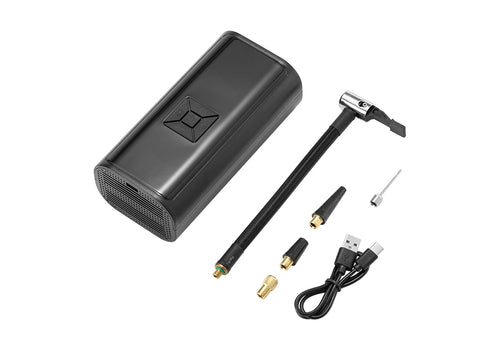
Portable pump with pressure gauge
-
Spare derailleur hanger
-
Chain quick-link
Specialized Winter Investments
-
Battery warmer case: Extends range in extreme cold
-
Insulated handlebar covers: Protects display and controls
-
Heated grips: Available as add-on for some systems
-
Winter tires: Studded or extra-wide depending on conditions
📋 Monthly Winter Maintenance Checklist
Week 1: Electrical Systems
-
Test battery capacity and balance
-
Check all electrical connections
-
Clean charging port
-
Update firmware if available
Week 2: Drivetrain and Brakes
-
Measure chain wear
-
Check brake pad thickness
-
Inspect cables for fraying
-
Test shifting accuracy
Week 3: Structural Components
-
Check frame for cracks or damage
-
Verify bolt torque on critical components
-
Inspect wheel true and spoke tension
-
Test headset and bottom bracket for play
Week 4: Comprehensive Review
-
Complete deep clean
-
Apply protective coatings
-
Test all systems under load
-
Plan next month's maintenance
⚠️ Critical Winter Riding Safety Considerations
Pre-Ride Inspection (5-Point Check)
-
Battery: Charge level, secure mounting, clean contacts
-
Tires: Pressure, tread depth, no damage
-
Brakes: Lever feel, pad thickness, rotor condition
-
Lights: Functionality, brightness, clean lenses
-
Fasteners: Critical bolts secure, no corrosion
Riding Adjustments for Winter Conditions
-
Speed Reduction: Allow 30-50% more stopping distance
-
Cornering Technique: Lean less, turn wider
-
Acceleration Control: Use lower assist levels for smoother starts
-
Route Planning: Avoid steep hills and high-traffic areas
Emergency Preparedness
-
Carry fully charged phone in insulated case
-
Pack extra thermal layers
-
Include chemical hand warmers
-
Have emergency contact information accessible
-
Share route and expected return time
💡 Advanced Winter Care Techniques
Battery Temperature Management
-
Insulated Battery Cover: DIY or commercial options
-
Pre-ride Activation: Turn on system indoors for 5 minutes before riding
-
Strategic Use: Conserve battery on flats, use power on hills
-
Double Battery System: Rotate batteries to always have a warm option
Professional Service Intervals
-
Mid-Winter Check: Professional assessment after 2 months of winter riding
-
Pre-Spring Overhaul: Complete service before switching to summer setup
-
Specialized Services: Consider professional bearing repacking and brake bleeding
🌟 Conclusion: The Winter E-Bike Advantage
Proper winter maintenance transforms your E-Bike from a fair-weather friend to a year-round companion. The systematic approach outlined in this guide requires minimal weekly time investment but delivers substantial benefits:
-
Extended Component Life: Proper care can add 2-3 years to battery life
-
Reduced Repair Costs: Preventive maintenance avoids expensive component failures
-
Enhanced Safety: Reliable performance in challenging conditions
-
Improved Resale Value: Documented winter care increases market appeal
-
Year-Riding Enjoyment: Consistent performance regardless of season
Winter need not mean storing your E-Bike. With strategic preparation and regular maintenance, you can enjoy safe, reliable riding throughout the coldest months. The key is consistency—small, regular maintenance actions prevent major issues.
Your Action Plan:
-
Schedule weekly maintenance time (30 minutes)
-
Invest in essential winter supplies
-
Establish a storage routine
-
Monitor performance systematically
-
Adjust riding style for conditions
Remember that every E-Bike and winter environment presents unique challenges. Use this guide as a foundation, but adapt based on your specific bike, riding style, and local conditions. When in doubt, consult your manufacturer's winter recommendations or seek professional advice.
Winter riding offers unique rewards—empty trails, crisp air, and the satisfaction of conquering the elements. With proper preparation, your E-Bike will deliver reliable performance from the first snowfall to spring thaw.
Have specific winter E-Bike challenges or success stories? Share your experiences in the comments below. Together, we can build a comprehensive knowledge base for year-round electric cycling enjoyment.