



















If you’re new to cycling or just starting to explore the world of electric bikes, you might be asking yourself a lot of questions. What exactly is an electric bike, and how is it different from a regular bicycle? Is riding an E-bike still a good workout, or does it take all the exercise out of cycling? …These are all common questions that beginners have, and this guide will help answer them while giving you the information you need to decide whether an electric bike or a traditional bike is right for your lifestyle.
What is an E-bike?
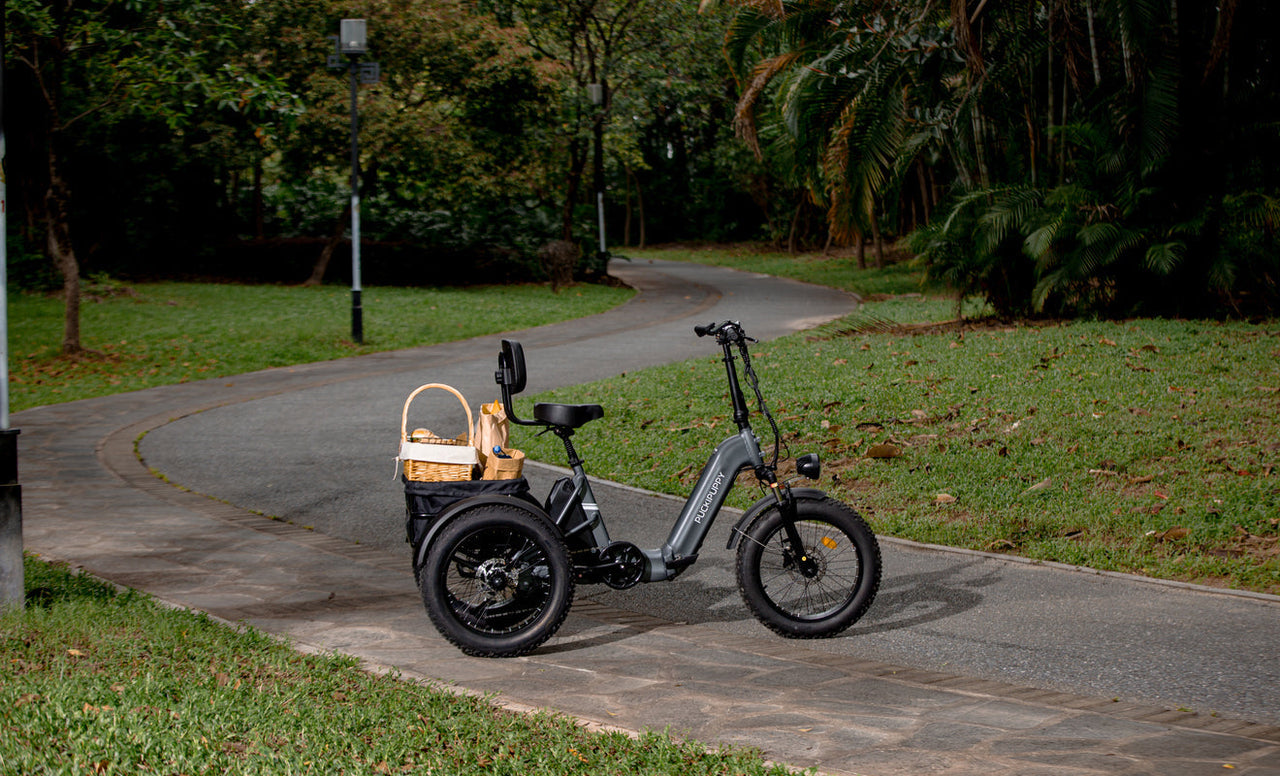
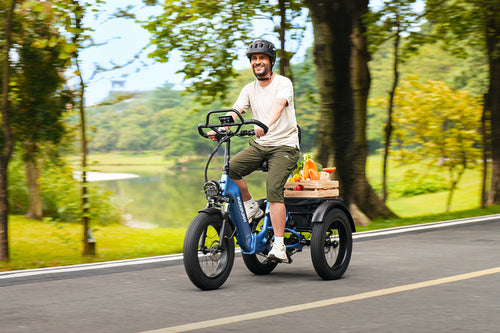
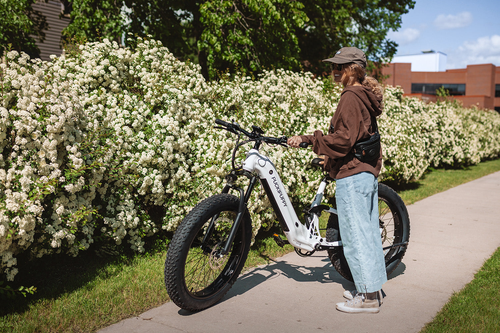
Simply put, it’s a regular bicycle with a small electric motor and a battery added to it. The motor can help you pedal, making it easier to ride up hills, carry groceries, or travel longer distances without getting too tired. Some E-bikes also have a throttle, so you can go without pedaling at all if you want. E-bikes come in different styles, just like regular bikes: there are commuter E-bikes, mountain E-bikes, and foldable E-bikes for easy storage. An E-bike lets you enjoy the fun of cycling while giving you extra power whenever you need it, making it perfect for beginners, commuters, or anyone who wants a little boost on their rides.
What is a Regular Bike?
A regular bike, sometimes called a traditional or standard bicycle, is the type most people learn to ride as kids. It’s fully powered by your own legs, meaning all the motion comes from pedaling. Unlike an electric bike, there’s no motor or battery to assist you, so the speed and distance you can cover depend entirely on your own energy and stamina.

Differences Between E-Bikes and Regular Bikes
|
Feature |
Regular Bike |
Electric Bike |
|
Power Source |
Fully human-powered |
Motor + Pedal assist or throttle |
|
Weight |
Lightweight (10–15 lbs) |
Heavier (30–40 lbs) |
|
Range |
Limited by rider endurance |
Battery-dependent (40–140 km) |
|
Speed |
Varies with rider effort |
Motor-assisted, typically 20–28 mph |
|
Maintenance |
Simple, mechanical |
More complex: mechanical + electrical |
|
Durability |
Dependent on frame and parts |
Includes battery and motor lifespan |
The biggest difference between regular bikes and electric bikes is their power system and design. A regular bike is lightweight, generally weighing between 10 and 15 pounds, and relies entirely on mechanical components like gears, chains, and brakes. In contrast, an E-bike includes a motor, battery, sensors, and electronic control systems, adding weight and complexity. Most E-bikes weigh between 30 and 40 pounds but provide additional torque that makes pedaling much easier.
Riding Experience: How They Compare
|
Experience |
Regular Bike |
Electric Bike |
|
Effort Required |
High, full-body workout |
Adjustable, motor assists reduce fatigue |
|
Hills and Inclines |
Physically demanding |
Motor helps maintain speed and reduce effort |
|
Long Rides |
Limited by endurance |
Extended range thanks to battery assist |
|
Comfort |
Depends on saddle and posture |
Less strain on joints, ideal for long rides |
When it comes to riding experience, the difference is immediately noticeable. Regular bikes offer full-body exercise and engage your muscles fully, which is excellent for fitness and stamina. However, on steep hills or long-distance routes, fatigue can quickly set in, limiting how far or fast you can go. E-bikes, by contrast, allow riders to maintain a consistent speed with less effort. The motor assists on inclines and long rides, reducing strain on your legs and joints while still giving you some workout benefits.
Cost and Maintenance
|
Aspect |
Regular Bike |
Electric Bike |
|
Purchase Price |
Low |
Higher upfront cost due to motor and battery |
|
Ongoing Costs |
Minimal |
Charging and eventual battery replacement |
|
Maintenance |
Simple repairs at any bike shop |
Mechanical + electrical maintenance required |
|
Portability |
Easy to carry |
Heavier, less convenient to move |
Regular bikes are generally inexpensive and easy to maintain. Mechanical parts like brakes, chains, and tires are widely available, and most repairs can be done at a standard bike shop. E-bikes, on the other hand, come with a higher upfront cost due to the motor and battery system. Different parts of electric bikes need regular care while you ride them. Maintenance is more complex, including both mechanical and electrical components. Battery care is essential, and over time, replacement costs must be considered.
Regulations and Safety Considerations
Safety and legal requirements differ between regular and electric bikes. Standard bicycles generally have no legal restrictions beyond helmet use and traffic rules. E-bikes, however, are often regulated with specific speed limits, motor wattage restrictions, and classification categories (Class 1. 2. or 3 in the U.S., or EU regulations limiting assist speed to 25 km/h). Before purchasing an E-bike, always check local regulations.
How to Choose the Right Bike for Your Needs
|
Riding Scenario |
Recommended Bike Type |
Reason |
|
Budget-conscious, fitness-focused |
Regular Bike |
Low cost, full-body workout |
|
Commuting, long-distance rides |
Electric Bike |
Motor reduces fatigue, improves efficiency |
|
Short weekend rides |
Regular or Entry-level Electric Bike |
Flexibility and light exercise |
|
Light cargo, groceries, kids |
Electric Bike |
Easier to carry weight |
|
Space-limited, frequent storage |
Regular Bike |
Lightweight and portable |
|
Seeking effortless, high-speed travel |
Electric Bike |
Motor provides consistent assistance |
Best Electric Bike for Beginners:Boxer E-bike
If you're new to electric bikes, choosing the right model can make a big difference in your overall experience. A great option to start with is the Boxer E-bike. It offers a balanced 750W motor that provides smooth and predictable power, making it easy for new riders to get comfortable without feeling overwhelmed. The stable frame, wide tires, and responsive braking system help improve confidence and safety, especially for riders who are still getting used to handling an electric bike. In addition, the Boxer delivers a practical riding range and speed that are more than enough for daily commuting, grocery runs, or weekend rides.
Boxer E-bike
Recommended Electric Bike: Labrador Pro E-Bike
For riders who are ready for more power and versatility, the Labrador Pro E-Bike is a strong upgrade option. Built for performance, it features a powerful motor, extended range, and a rugged design that can handle longer commutes, heavier loads, and even light off-road terrain.
While it may feel a bit heavier and more powerful for first-time riders, it’s an excellent choice for those who want to go further, carry more, and explore beyond basic city riding.
Labrador Pro E-Bike
Conclusion
Both e-bikes and regular bikes are effective modes of transportation. The choice depends on your personal preferences and needs. If you’re looking for a more effortless ride, an electric bike may be a better fit. For straightforward, daily cycling, a regular bike is a solid option. Visit PUCKIPUPPY and test ride different models to find the one that best suits your requirements.
FAQ
1. Do I still get exercise on an electric bike?
Yes, you can still get exercise on an E-bike, especially with pedal-assist mode. It reduces strain but lets you engage your muscles, making it a great workout option.
2. How long do electric bike batteries last?
Electric bike batteries typically last 3–5 years, depending on usage and care. Most batteries are rated for around 500–1.000 charge cycles before they need replacement.
3. Are there speed limits for electric bikes in the U.S.?
Yes, most states limit E-bike speeds to 20–28 mph. Regulations vary, so check your local laws for specific rules regarding speed limits and motor power.