



















What Is an Electric Bike?
An electric bike, often called an e-bike, is a bicycle equipped with an integrated electric motor that assists with pedaling. Unlike a traditional bike that relies entirely on human effort, an e-bike adds an extra boost of power, making it easier to ride longer distances, climb hills, and commute without arriving exhausted. This combination of manual control and motor assistance is what makes e-bikes appealing to a wide range of riders.
Electric bikes are used for a variety of everyday purposes. Many people rely on them for commuting to work, avoiding traffic, and reducing transportation costs. Others use them for recreational riding, weekend exploration, or light fitness activities. Whether you're navigating busy city streets or enjoying a relaxed ride, e-bikes offer a flexible and accessible way to get around.
What Are the Key Components of an Electric Bike?
Electric bikes may look similar to traditional bicycles at first glance, but they rely on several key components working together to deliver power and performance.
The motor is the heart of the electric bike. It provides the extra power that assists your pedaling or drives the bike forward, depending on the system. Motors are typically located in either the hub of the wheel or near the pedals (mid-drive). Hub motors are known for simplicity and quiet operation, while mid-drive motors offer better balance and efficiency, especially on hills.

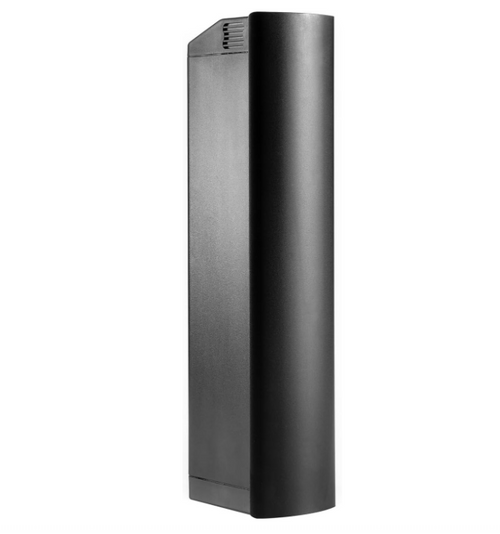
The battery is the energy source that powers the motor. It is usually rechargeable and mounted on the frame or integrated into it. Battery capacity determines how far you can ride on a single charge, often referred to as the bike’s range. Most batteries can be removed for convenient charging and are designed to last for hundreds of charge cycles with proper care.
The controller acts as the brain of the system. It manages the flow of power between the battery and the motor, ensuring that assistance is delivered smoothly and efficiently. When you adjust your riding mode or change assistance levels, the controller processes these inputs and tells the motor how much power to provide.
Pedal-assist sensors measure your pedaling motion, while torque sensors go a step further by measuring how hard you are pedaling. These inputs allow the system to deliver a more natural and responsive riding experience, adjusting assistance in real time based on your effort.
|
Component |
Core Function |
Simple Explanation |
|
Motor |
Provides power |
Gives the bike extra push when you ride |
|
Battery |
Supplies energy |
Powers the motor |
|
Controller |
Controls power flow |
Decides how much assistance you get |
|
Sensors |
Detect riding |
Tell the motor when and how much to help |
How Do Electric Bikes Work?
At a basic level, electric bikes work by combining your pedaling power with assistance from an electric motor. When you start pedaling, the bike’s system detects your movement and activates the motor to provide additional support. This creates a smooth and natural riding experience, where it feels like your legs are stronger rather than the bike doing all the work for you.
The level of assistance typically depends on the settings you choose. Most e-bikes allow you to adjust how much help the motor provides, from light support for casual riding to higher power for climbing hills or riding against strong winds. This flexibility makes electric bikes suitable for different fitness levels and riding conditions, giving riders more control over their experience.
There are two main ways the motor is activated: pedal assist and throttle. Pedal assist systems engage the motor only when you are pedaling, making the ride feel more like a traditional bike with added power. Throttle systems, on the other hand, allow you to activate the motor with a simple twist or push, enabling the bike to move forward without pedaling. Many modern e-bikes combine both features, offering a balance between convenience and a more natural cycling feel.
|
Type |
Simple Explanation |
Pros |
Cons |
|
Pedal-assist (PAS) |
Motor helps when you pedal |
Feels natural, saves battery, good for fitness |
Must keep pedaling, less convenient |
|
Throttle-controlled |
Motor works without pedaling |
Easy to use, quick start, less effort |
Uses more battery, less exercise |
|
Combination systems |
Uses both pedal assist and throttle |
Flexible, suits different needs |
More complex, often more expensive |
How to Choose the Right E-Bike Based on Different Riding Situations
Once you understand how an e-bike works, it becomes clear that different riding situations call for different features. The main differences usually come down to commuting distance, road conditions, and how much comfort and power you need.
That is why, when choosing an e-bike, it makes sense to start with your actual riding needs and daily use.
1. Urban Commuting
For everyday commuters, e-bikes are mainly used for short trips on city streets, such as getting to and from work or handling daily travel needs. In this type of riding situation, road conditions are usually fairly smooth, but there is a higher demand for efficiency and stability.
In this case, an e-bike generally needs the following features:
- A stable pedal assist system (PAS) for a smoother and more natural riding experience
- A moderate overall bike weight for easier daily handling and parking
- Battery range that can support regular commuting distances
Together, these features shape the basic riding experience of a city commuter e-bike and directly affect everyday convenience and comfort.
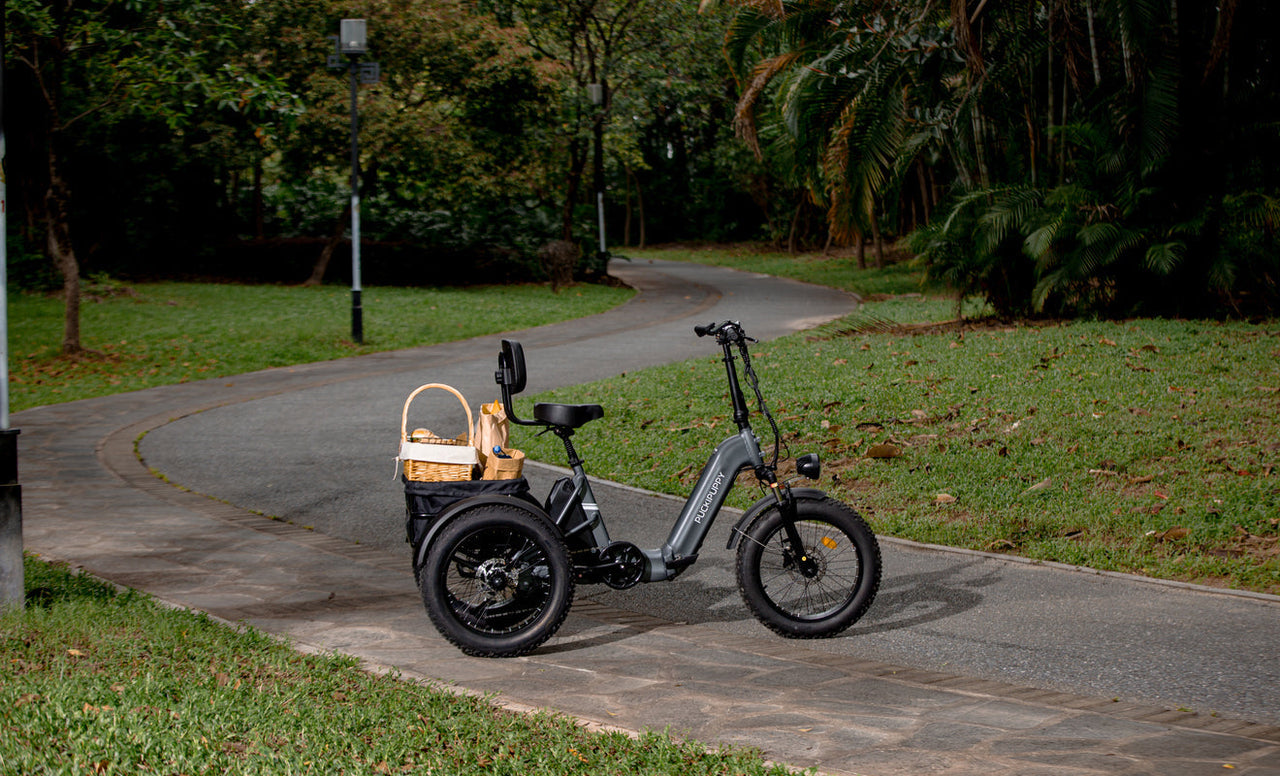
With this in mind, the PUCKIPUPPY Poodle e-bike is designed around the needs of daily urban travel, with a stronger focus on delivering the core experience required for commuting.
This model uses a bike design that is better suited for city riding. During the ride, the motor output remains relatively stable, making it well suited to frequent stop-and-go traffic. Paired with a pedal assist system (PAS), the support feels more natural and helps reduce the physical effort required for daily riding. In terms of range, it can also meet the round-trip commuting needs of most riders. In addition, its structural design places more emphasis on easy handling and riding comfort, giving it strong practicality and adaptability in urban environments.
Poodle Ebike
2. Multi-Purpose and Recreational Riding
In addition to commuting, many riders also use e-bikes for recreational trips on weekends or during their free time, such as riding around the city, cruising through parks, or doing light outdoor exploring. These riding situations are usually more flexible in route, longer in distance, and may include hills or unpaved surfaces. Because of that, they place higher demands on the overall performance of the e-bike.
In this case, an e-bike generally needs the following features:
- Stronger motor output to handle hills and more complex road conditions
- A higher-capacity battery to support longer riding distances
- A more capable suspension system and wider tires to improve stability and comfort across different terrain
- Support for switching between pedal assist (PAS) and throttle mode to match different riding conditions
Some e-bikes are designed with a more balanced setup across all of these areas. For example, they may use fat tires and front and rear suspension to improve off-road capability, while also combining a more powerful motor with a larger battery to better handle long rides and mixed terrain.
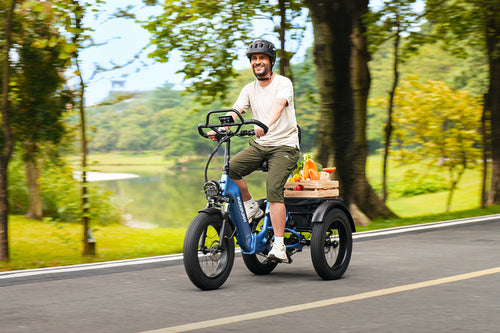
The PUCKIPUPPY Boxer e-bike is one of them. Its design is more focused on multi-purpose riding needs, with stronger power output for hills and unpaved roads, while its fat tires and suspension structure help improve riding stability. This makes it suitable not only for recreational riding around the city, but also for light outdoor exploration.
Boxer e-bike
3. Off-Road and Extreme Terrain Riding
When the riding environment becomes more demanding, such as mountain dirt trails, forest paths, gravel slopes, or sandy ground, the role of an e-bike shifts from being an everyday transportation tool to more of a terrain-capable piece of equipment. These riding conditions place much higher demands on overall bike performance, especially in terms of power output, frame strength, and suspension.
In off-road riding, the main things riders usually look for include:
- A high-torque motor for continuous climbing and more challenging terrain
- A full suspension system (front and rear) to improve stability when riding fast over rough surfaces
- A stronger frame structure to maintain safety under impact-heavy conditions
- Extra-wide off-road tires (fat tires) for better traction on sand and mud
- Greater battery range to support longer rides on forest trails or in mountain areas
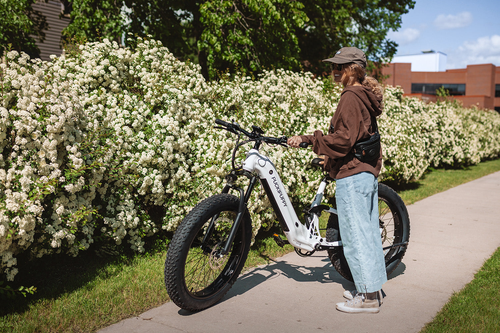
If you are looking for more adventure and excitement, the PUCKIPUPPY Labrador Pro can be a strong companion. Its design places more emphasis on off-road capability and structural strength, using a heavier-duty frame system and high-traction fat tires to maintain better stability on rough terrain. At the same time, with a stronger power system and all-terrain suspension setup, it can deliver more consistent support and more stable control when dealing with hills, unpaved roads, or longer trail rides.
Labrador Pro
If you are still not sure which commuter e-bike is right for you, you can compare different options based on your daily commuting distance, road conditions, and riding frequency. PUCKIPUPPY provides clear model categories and detailed specifications to help you find the e-bike that better fits your daily travel needs, making every ride more efficient and worry-free.
How to Maintain and Care for an E-Bike
After choosing the right e-bike for your commuting needs, it is just as important to understand the basics of proper use and maintenance. Good day-to-day care not only improves riding safety, but also helps extend the life of the bike, allowing it to maintain stable performance even with long-term and frequent use.
Next, we will look at a few key components and go over the basic maintenance methods for daily e-bike use.
Battery Care and Charging Habits
Taking care of the battery is one of the most important parts of e-bike maintenance. Avoid letting the battery fully drain too often, and try to keep the charge level between 20% and 80% whenever possible to help extend battery life.
Tire and Brake Maintenance
Check tire pressure regularly, and look for any signs of wear or damage, since underinflated or worn tires can affect both stability and riding efficiency. As for the brakes, make sure they respond quickly and smoothly. If you notice squeaking, reduced braking power, or any other unusual sounds, the brake components should be adjusted or replaced to ensure riding safety.
Keeping the Motor in Good Condition
The motor is one of the core parts of an e-bike, so keeping it in good condition is essential. Avoid exposing it too much to water, mud, or dust, especially if the motor is not fully waterproof. During regular use, check whether the motor connections are loose or whether there are any unusual noises. Keeping the bike clean and properly maintained helps the motor run more smoothly and last longer, giving you a more reliable riding experience over time.

Start Your E-Bike Journey
E-bikes combine the convenience of traditional bicycles with the power support of modern technology, making everyday travel easier and more efficient. Whether for daily commuting, weekend leisure rides, or light off-road exploration, an e-bike can significantly reduce physical effort while improving both riding range and overall freedom.
By understanding how the motor, battery, and control system work, you can better determine which setup fits your riding needs and choose a more efficient and comfortable way to travel. As e-bike technology continues to improve, e-bikes are becoming the preferred transportation option for more and more riders. If you are looking for a smarter, more energy-efficient, and more enjoyable way to get around, now is a great time to upgrade your riding experience.
At PUCKIPUPPY, we offer a wide range of e-bikes, from urban commuting models to bikes built for outdoor riding, helping you find the one that fits your needs more easily. No matter where you want to ride, your next journey can start here.