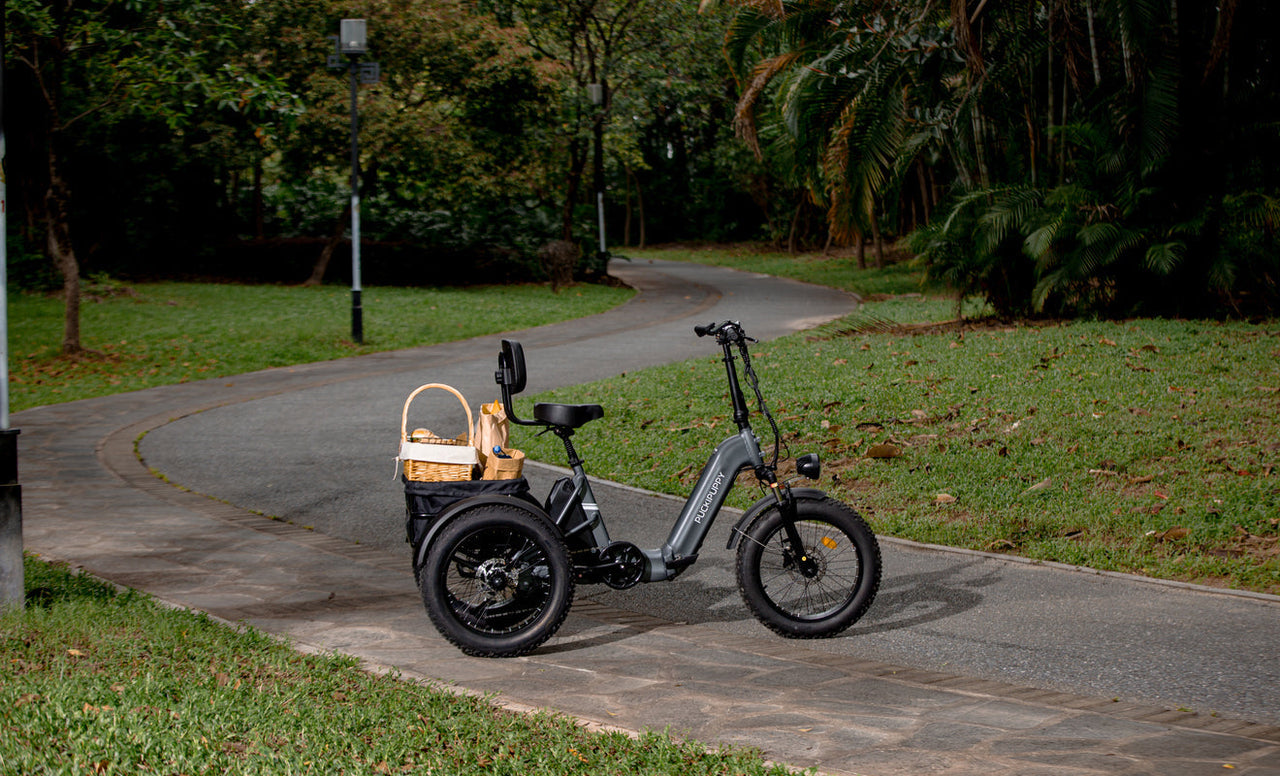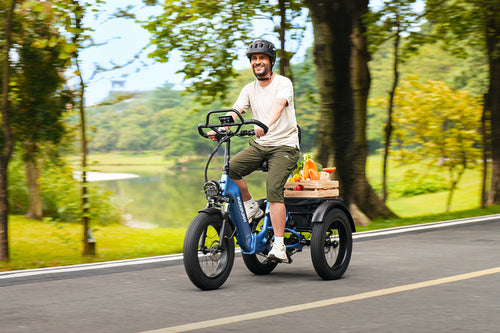
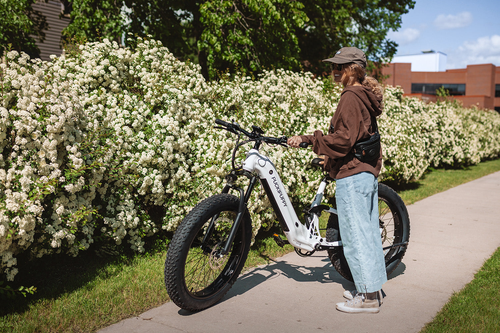



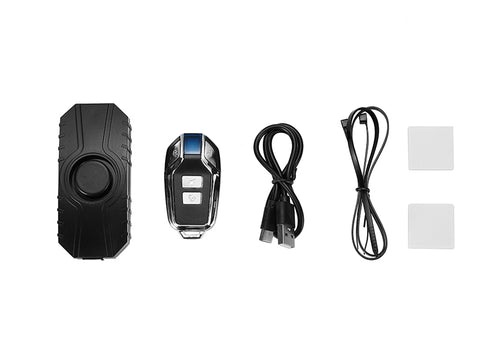

















E-bike camping is becoming a popular choice for outdoor enthusiasts who want more freedom and flexibility on their trips. With an electric bike, you can ride through campground roads, head to the lake, explore forest paths, reach scenic overlooks, or use it as a convenient way to get around during an RV camping trip or weekend getaway.
But a successful e-bike camping trip takes more than simply bringing your bike along. You need to plan your route, check your battery range, understand campground charging options, pack the right gear, and make sure e-bikes are allowed at your destination.
How to Choose the Right E-Bike for Camping
Camping conditions are often more demanding than daily city commuting. You may ride over gravel roads, dirt paths, grass, sand, hills, wet surfaces, and longer distances. That is why choosing the right e-bike for camping means looking beyond basic speed or style. Range, tire stability, comfort, storage, and battery convenience all matter.
Prioritize Long Range
Charging options are not always reliable when camping. Some campgrounds offer power outlets, while remote campsites may not have charging access at all. For that reason, long range is one of the most important features to consider for e-bike camping.
Real-world battery range can be affected by rider weight, gear weight, tire pressure, speed, pedal assist level, hills, and road conditions. Since camping usually means carrying extra gear, your actual range may be shorter than it is during everyday commuting. Always leave extra battery for the return ride, detours, or changing conditions.
Choose Fat Tires for Outdoor Terrain
Campground roads and outdoor routes are not always smooth. You may ride over gravel, dirt, grass, sand, roots, or uneven ground. Compared with narrow tires, fat tires provide a wider contact patch, which can help improve stability and traction on mixed terrain.
For camping, stability is especially important when you are carrying gear, riding slowly through campground roads, or crossing soft ground. A fat tire electric bike is not about pushing into extreme terrain. It is about giving you more control and confidence in real outdoor conditions.
Look for Comfort, Suspension, and Storage
Camping rides are often longer than a quick trip around town. You may ride several miles or more, and the route may include bumps, gravel, and uneven surfaces. A suspension fork, full suspension system, comfortable saddle, proper frame size, and natural riding position can all make the ride smoother.
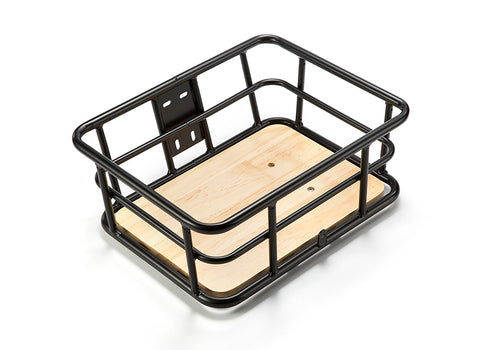
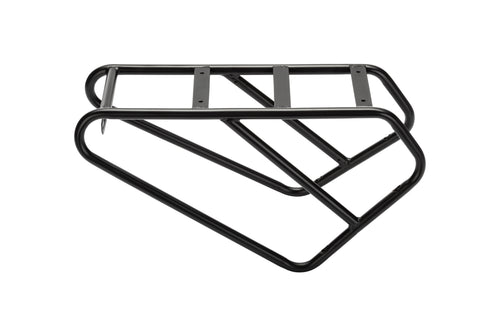
Storage is just as important. Camping gear adds extra weight, so check the bike’s total payload capacity, rear rack capacity, and compatibility with panniers, baskets, bags, or trailers. Before your trip, try a short test ride with your main gear packed on the bike. If the bike feels unstable, reduce the weight or adjust how the gear is distributed.
Consider a Removable Battery
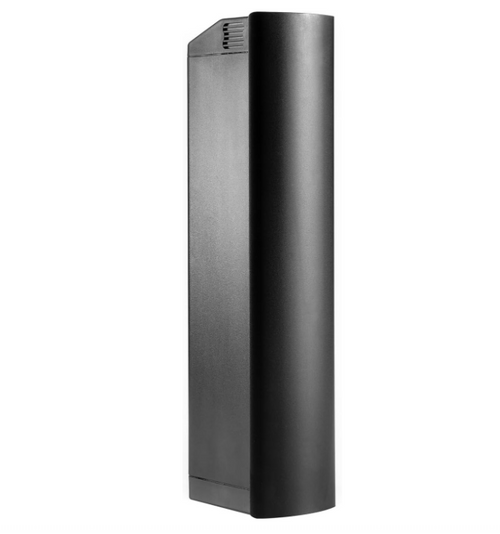
A removable battery is a practical feature for camping. You can take it into an RV, cabin, tent area, or any place with power for easier charging. It also allows you to store the battery separately at night.
Battery care becomes even more important in cold weather. If you are camping in fall or winter, keeping the battery in a more temperature-controlled place is often better than leaving the entire bike exposed to cold conditions for long periods.

What Gear Do You Need for E-Bike Camping?
A well-prepared e-bike camping trip requires both riding gear and camping gear. The exact items may change depending on your destination, season, and route difficulty, but the goal is the same: stay safe, keep your bike reliable, and pack in a way that keeps the ride stable.
E-Bike Gear Checklist
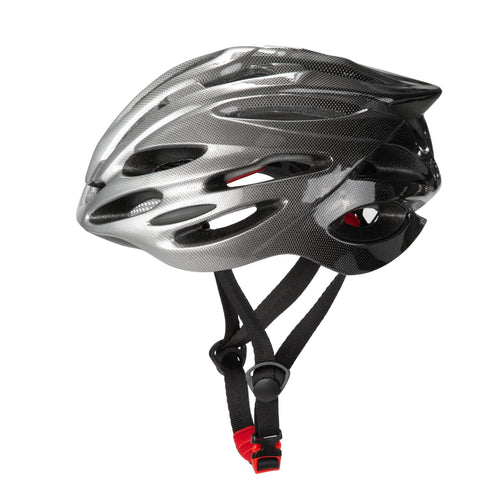
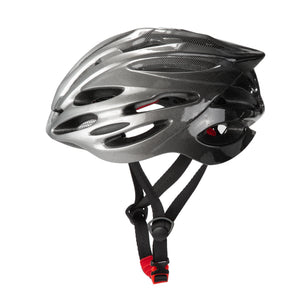
Start with the essentials for riding safety and basic bike maintenance. A helmet is a must-have for any e-bike camping trip. Front and rear lights are also important, especially if you ride in the early morning, at dusk, on cloudy days, or in campgrounds with limited lighting.
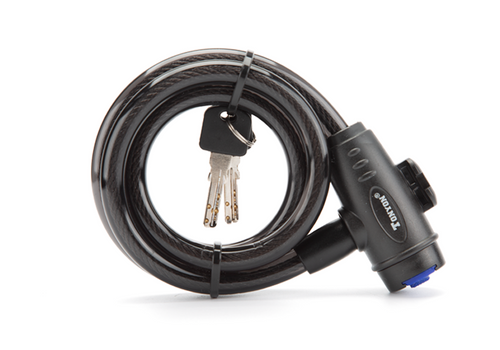
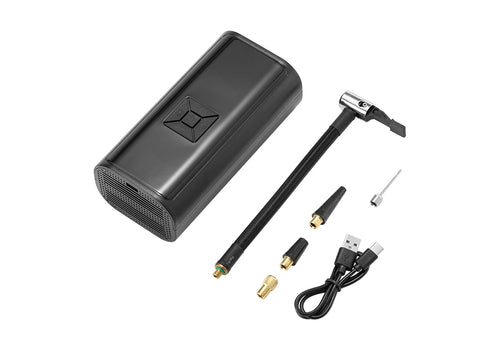
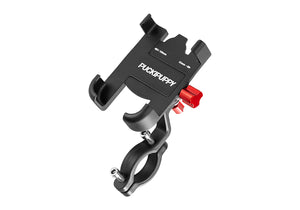
It is also helpful to bring a bike lock, spare charger, portable pump, tire repair kit, multi-tool, spare tube or patch kit, phone mount, offline maps, waterproof bike bags, reflective gear, riding gloves, straps, and zip ties. If your destination is remote, repair tools become even more important because sharp rocks, branches, thorns, or debris may cause tire issues.
Camping Gear Checklist
Your camping gear will depend on the season and location, but the basics usually include a tent, sleeping bag, sleeping pad, portable stove, food, drinking water, first aid kit, sunscreen, insect repellent, rain jacket or waterproof outer layer, extra clothing, headlamp or flashlight, trash bags, and personal hygiene items.
For summer camping, focus on sun protection, bug protection, and hydration. For fall or winter camping, pay more attention to warmth, wind protection, rain protection, and battery care in colder temperatures. If your destination is in the desert or at a higher elevation, temperature swings between day and night can be significant.
Packing Tips
Pack smart, not heavy. Place heavier items low and close to the center of the bike to reduce wobbling and improve stability. Items you may need often, such as water, your phone, maps, snacks, a rain jacket, and a first aid kit, should be easy to access. Electronics, clothing, and food should be stored in waterproof bags to protect them from rain, mud, or splashes.
How to Plan Your E-Bike Camping Route
Planning your route is one of the most important parts of an e-bike camping trip. Terrain, elevation gain, charging options, weather, and local e-bike rules can all affect your ride.
Many riders plan by mileage alone, but hills can have a major impact on battery use. Ten miles of flat road and ten miles of steady climbing can feel completely different on an e-bike. If your route includes long climbs or heavy camping gear, plan for faster battery drain and leave extra range for the return trip.
Road surfaces also matter. Paved roads are usually easier on the battery, while gravel, dirt, sand, and forest roads can use more power and require better tires, braking, and suspension. If your route includes mixed terrain, a fat tire electric bike or electric mountain bike may be a better choice.
Before your trip, check whether your campground has power outlets, RV sites, visitor centers, stores, or other places where you may be able to charge your battery. For remote campsites, plan more conservatively and avoid using your full battery range in one ride.
Finally, check local e-bike rules. Regulations can vary by campground, park, trail, and public land area. Some places may allow only certain classes of e-bikes, while others may restrict e-bikes on specific trails. Always check official rules before you ride.
Best Types of Places for E-Bike Camping
Choosing the right destination can make your e-bike camping trip easier, safer, and more enjoyable. If you are new to e-bike camping, start with places that have clear routes, reliable facilities, and easy access to supplies.
Lakeside campgrounds are great for relaxed camping. Many lake areas have campground roads, scenic viewpoints, picnic areas, fishing spots, and short riding routes nearby. An e-bike can make it easy to move between your campsite, the lake, and nearby activity areas.
Areas near national parks often offer beautiful scenery, visitor facilities, and short scenic rides. However, e-bike rules can vary by park, trail, and riding area, so check the official rules before your trip.
RV campgrounds are especially convenient for using an electric bike as campground transportation. Once you arrive and set up camp, you can ride to restrooms, camp stores, the lake, visitor centers, or nearby towns without driving every time.
Forest roads are a good choice for riders who enjoy quiet natural settings and light outdoor exploration. These routes may include dirt roads, gravel, roots, hills, and wet surfaces, so a fat tire electric bike or an e-bike with suspension can be a better fit.
Riverside routes are often ideal for slower, longer rides with scenic views. If you are planning a multi-day or long-distance electric bike camping trip along a river, check nearby campgrounds, supply points, drinking water access, and possible charging options in advance.
For riders with some experience, light mountain trails can make a camping trip feel more adventurous. These routes may include rolling terrain, gravel sections, and mild technical features, making them better suited for an electric mountain bike, fat tire electric bike, or full suspension electric bike.
What Should You Consider When Camping with Your Dog?
If you plan to bring your dog on an outdoor e-bike trip, make sure the campground is pet-friendly before you go. Do not assume that all campgrounds, trails, or public areas allow pets. Check leash rules, pet-friendly activity areas, wildlife risks, and whether the location requires proof of vaccination or ID tags.
Your dog also needs its own travel gear, including food, water, a portable bowl, leash, waste bags, a sleeping pad, and basic first aid supplies. To make the trip more comfortable, you can also choose gear designed specifically for dog-friendly outdoor travel. Puckipuppy also offers pet-friendly travel accessories that can help riders better care for their dogs during camping trips, weekend getaways, and campground adventures.
Keep in mind that not every dog is suited for running long distances. Do not let your dog run alongside an electric bike at high speeds. A safer option is to use a proper pet carrier, pet basket, or limit your dog’s activity to short, slow rides around the campground. The goal is not to make your dog “keep up” with the bike, but to help them enjoy the outdoors safely and comfortably.

Choose the Right E-Bike for an Easier Camping Ride
The goal of e-bike camping is to make outdoor exploration easier, more flexible, and more enjoyable. The right electric bike can help you handle campground roads, gravel paths, grass, hills, and longer rides with more confidence.
If you are looking for a bike for your next e-bike camping trip, focus on features such as long range, fat tire stability, comfortable suspension, reliable braking, and practical carrying capacity. Puckipuppy’s fat tire electric bikes are built around these common outdoor riding needs, making them a strong fit for campground exploring, weekend getaways, and easier everyday outdoor rides.