



















Hybrid Work Changed the Way We Commute
In the past, choosing how to commute was usually based on a simple assumption: you went to the office every day, took the same route, left at the same time, and headed to the same destination. Under that model, driving, taking public transit, or riding along a fixed route all made sense because they were built around a predictable daily round trip.
But hybrid work has changed that.
For more and more professionals, commuting is no longer a repetitive five-day-a-week routine. Some people only go into the office two or three days a week. Some adjust their departure time depending on meetings and project schedules. Others combine going to the office with errands, shopping, client visits, or even a workout all in the same day. Commuting is no longer just about getting to work. It has become part of a more flexible, more fragmented rhythm of city life.
Why Traditional Commuting Options Feel Less Practical Now
It is not that traditional commuting options have become useless. The bigger issue is that most of them were built around a fixed commuting pattern, and that pattern no longer matches the rhythm of hybrid work as well as it used to.

Driving Is Not Always the Easiest Option
Driving is still the most familiar choice for many American commuters, but it works best when the routine is consistent, long term, and predictable. For hybrid workers, especially those making short to mid-length trips within the city, traffic, parking, parking costs, and the final walk after parking can all add to the stress of commuting. More importantly, when the day includes more than just going to the office—such as picking up groceries, running errands, or stopping at other locations—driving is not always the easiest option. It can solve the problem of getting there, but it often adds extra steps and extra hassle.
Public Transit Is Not Always Flexible Enough
Subways, buses, and light rail work well for fixed routes and for certain core commuting patterns in major cities. But for hybrid workers who need to adjust their timing and frequently change the order of their stops, transit schedules, transfers, and the last stretch of the trip can still be limiting. Public transit can move someone from one point to another, but it does not always make the whole commute feel smooth or convenient. That becomes even more obvious when there are multiple destinations in one day.
Traditional Bikes Are Flexible, but Harder to Stick With
Cycling itself is a great fit for city travel. It is flexible, direct, and less affected by parking problems. But a traditional bike requires more physical effort, which can make it harder to stick with over time for people who do not want to use up too much energy before the workday even begins. On days filled with meetings, collaboration, and multiple tasks, many people do not want their commute to feel like a workout before work.
What Hybrid Workers Actually Need From a Commute
Now that commuting needs have changed, the tools that support them need to change too. A better commuting option for hybrid workers should have a few clear advantages.
First, it should be well suited for short to mid-range city travel. For many hybrid workers, the most common trips are not long-distance commutes. They are city rides of just a few miles to maybe a dozen miles, along with short trips throughout the day. It should also help reduce the extra friction caused by traffic, parking, and waiting. In many cases, what makes commuting feel exhausting is not the distance itself, but everything that happens in between.
At the same time, it should not be difficult to use. The easier and more intuitive a commuting option feels, the more likely people are to keep using it over time. If every trip requires too much preparation, or if using it takes too much energy, it is unlikely to become a practical long-term solution.
Beyond that, it should fit naturally into daily life outside the office. For hybrid workers, commuting is no longer just one isolated trip. It is part of a full day of moving through the city.
Why E-Bikes Make More Sense for Hybrid Work
When you break down what hybrid workers actually need, it becomes clear that they are not looking for a more complicated transportation setup. What they really need is a way to get around that feels more flexible, easier to use, and better suited to the pace of daily city commuting.
A Better Fit for Short City Commutes
For many hybrid workers, e-bikes are a strong match for short to mid-distance routes within the city. They are more efficient than walking and often more flexible than many traditional commuting options.
Better for an Irregular Schedule
Hybrid work does not mean commuting every day, so an e-bike works well because it is easy to use whenever needed. That makes it a more natural fit for a schedule that changes from day to day.
Better at Handling the Small Hassles That Wear People Down
Compared with options that are easily slowed down by traffic, parking, and frequent stop-and-go conditions, e-bikes are often better suited to handling the small frictions that make city commuting feel more tiring than it should.
Easier to Keep Using Than a Traditional Bike
Pedal assist keeps the flexibility and directness of riding while lowering the physical effort required. That makes commuting feel easier and makes it more realistic to keep up over the long term.

How to Choose the Right Commute for Your Routine
For hybrid workers, the better question is not, “What is the most common way to commute?” The better question is, “What part of my commute causes the most frustration, and what do I actually want to solve?”
Start With Your Distance and Route
If most of your travel happens within the city and falls into the short to mid-range category, then the more useful question is not which option is most popular, but which one feels easier and smoother for that kind of distance.
Think About What You Dislike Most
Some people hate sitting in traffic. Others are most frustrated by parking. And for some, the biggest issue is the uncertainty of timing and route changes. In many cases, the right commuting option is simply the one that solves your biggest problem most effectively.
Look at How Your Full Day Actually Works
If your daily routine also includes errands, appointments, meeting people, grabbing coffee, or going to the gym, then the better option is usually the one that fits smoothly into everyday life, not just the trip to work.
That is exactly why electric bikes are becoming more worth considering. They are not just another way to get around. They offer a more practical solution for short city commutes, frequent stop-and-go riding, and days that involve moving between multiple settings.
That said, even within the commuter e-bike category, different models are designed with different priorities in mind. Some are better for agile, efficient commuting. Some are a better match for steady, routine daily use. Others are more suitable for blending office commutes with the rest of city life. When you look at these different commuting needs through the lens of specific models, the following three options are easier to match with different types of hybrid workers.
Three Commuter E-Bikes That Fit Hybrid Work Better
For hybrid workers, a commuter e-bike is not just about whether the motor is powerful enough. What matters more is whether the overall setup matches the real demands of short to mid-range city commuting, frequent stop-and-go riding, and moving smoothly between different parts of daily life.
Poodle: Best for Flexible, Efficient City Commuting
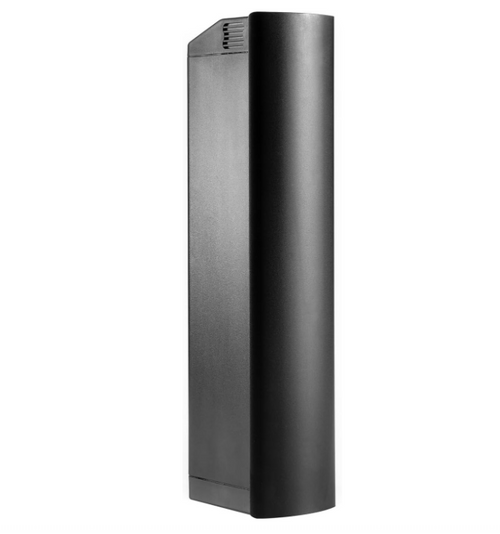
If your daily travel mostly involves short to mid-range city routes, and you want one bike that can handle office commutes, everyday errands, and multiple stops throughout the day, the Poodle is a strong match. It comes with a 750W rear hub motor, a 48V 15Ah removable battery, front suspension, and an adjustable handlebar. This setup is better suited for riders who care about urban maneuverability, commuting efficiency, and everyday comfort.
Poodle Ebike
Beagle 2 St: Best for Steady Daily Commuting
If you care more about steady performance in a regular commuting routine and want a bike that feels dependable, low-stress, and easy to stick with over time, the Beagle 2 ST is a more reliable option. It also features a step-through frame, along with a 750W motor, a 48V 15Ah removable battery, up to about 60 miles of range, and 110 mm of front suspension travel. Together, these features put more emphasis on everyday comfort, easy control, and a more stable daily commuter setup.
Beagle 2 ST Ebike
Samoyed: Best for Commuting Plus Everyday City Riding
If your daily travel is not limited to just home and the office, but also includes coffee shops, grocery runs, short social outings, and weekend rides around the city, the Samoyed is a better match for that kind of routine. It is well suited for riders who want to combine commuting utility with a more relaxed urban riding experience.
Samoyed Ebike
The Best Commute Is the One That Fits Your Life Now
For hybrid workers, a better commuting strategy does not necessarily mean something more complicated, and it is not just about going faster. What really matters is whether it fits your current work routine, reduces the parts of city commuting that feel the most tiring, and blends more naturally into daily life beyond the office.
If you are still weighing different models, or want to choose based on your commute distance, city road conditions, and everyday riding needs, you can also explore our commuter e-bike to see more options designed for daily commuting, city travel, and the rhythm of hybrid work.
The real key to commuting has never been just getting to your destination. It is how you get there.