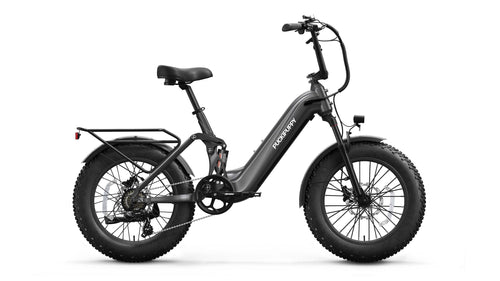



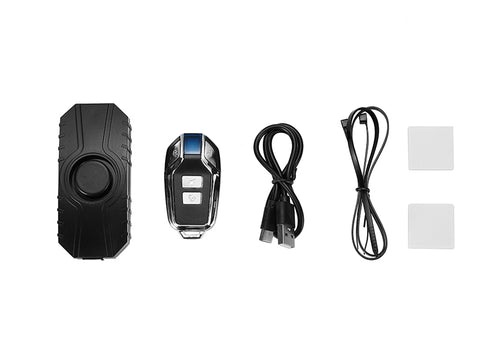
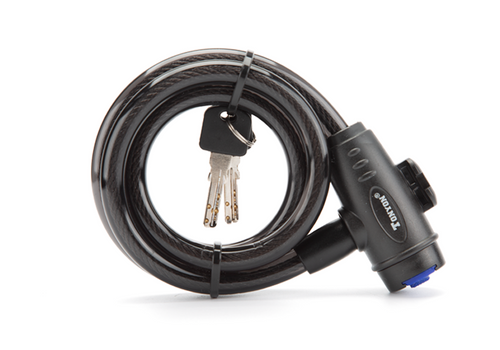

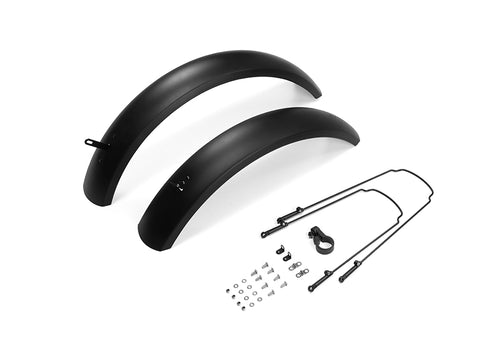













A good entry-level electric bike should feel manageable, match your typical routes, and include the features you will actually use. Some riders may prefer a lightweight model that is easier to handle, while others may need a step-through frame for frequent stops, a folding design for limited storage, or fat tires for rougher everyday surfaces.
To make the choice easier, we selected four Puckipuppy models that address these different first-time riding needs: the Doberman, Poodle, Dachshund, and Samoyed. Each offers a different starting point depending on where, how, and how often you plan to ride.
4 Best First E-Bikes at a Glance
|
Feature |
Doberman |
Poodle |
Dachshund |
Samoyed |
|
Best For |
Lightweight everyday riding |
Commuting and frequent stops |
Folding and limited storage |
Affordable fat-tire riding |
|
Price |
$899.99 |
$899.99 |
$999.99 |
$899.99 |
|
Weight |
42 lbs |
63.1 lbs |
72.6 lbs |
75.8 lbs |
|
Bike Style |
Lightweight city e-bike |
Step-through commuter |
Folding fat-tire e-bike |
Step-through fat-tire e-bike |
|
Tires |
700 × 45C |
27.5 × 2.4" |
20 × 4.0" fat tires |
26 × 4.0" fat tires |
|
Range |
45–70 miles |
45–75 miles |
40–60 miles |
35–60 miles |
|
Motor |
350W, 600W peak |
750W, 960W peak |
500W, 960W peak |
750W, 960W peak |
|
Sensor |
Torque + Cadence |
Cadence |
Cadence |
Cadence |
|
Brakes |
Hydraulic disc |
Hydraulic disc |
Hydraulic disc |
Mechanical disc |
|
Why Choose It |
Easier to handle, move, and store |
Easier mounting for everyday rides |
Easier storage and transportation |
Fat tires for rough pavement and mixed surfaces |
The differences make the shortlist easier to narrow down. Doberman is the lightest option and puts easier handling first. Poodle focuses on step-through access and everyday commuting, while Dachshund adds a folding frame for riders who need easier storage or transportation. Samoyed is the better fit for first-time riders who want full-size fat tires for rough pavement, gravel, and other mixed everyday surfaces.

Doberman — Best Lightweight E-Bike for First-Time Riders
If you want your first e-bike to feel manageable from day one, the Puckipuppy Doberman is the lightest model in this group. Its 42 lb weight makes it easier to maneuver at low speeds, push into a garage or elevator, and move around when you are not riding. That makes it especially practical for city riders, apartment living, and anyone who does not want the bulk of a heavier fat-tire e-bike.
Key Specs
-
Weight: 42 lbs
-
Motor: 350W, 600W peak
-
Range: 45–70 miles
-
Tires: 700 × 45C
-
Sensor: Torque + cadence
-
Brakes: Hydraulic disc
The Doberman also feels closer to a traditional bicycle than many larger e-bikes. Its torque and cadence sensor adjusts assistance with rider input, while the 700 × 45C tires are well suited to paved streets, bike paths, and everyday commuting.
For first-time riders, the Doberman makes the most sense when low weight, easy handling, and a natural pedal-assist feel matter more than wide tires or off-road capability. If most rides will include loose gravel, rough trails, or other uneven surfaces, a fat-tire model may be a better fit.
Doberman Ebike
Poodle — Best Step-Through E-Bike for Everyday Riding
For first-time riders who want an e-bike that is easy to get on and off, the Puckipuppy Poodle is the most practical step-through option in this group. Its low-step frame makes frequent stops easier, which is useful for commuting, grocery runs, neighborhood rides, and other everyday trips where riders may be mounting and dismounting several times.
Key Specs
-
Weight: 63.1 lbs
-
Motor: 750W, 960W peak
-
Range: 45–75 miles
-
Tires: 27.5 × 2.4"
-
Frame: Step-through
-
Brakes: Hydraulic disc
The 27.5 × 2.4-inch tires provide more cushioning than narrower city tires without adding the bulk of a full fat-tire setup. Combined with front suspension, the Poodle is better prepared for cracked pavement, curb transitions, and uneven neighborhood streets while still feeling appropriate for everyday riding.
The Poodle is a good fit for first-time riders who prioritize easy mounting, everyday comfort, and commuting versatility.
Poodle
Dachshund — Best Folding E-Bike for Limited Storage
For first-time riders who are short on storage space, the Puckipuppy Dachshund offers a different advantage: it folds. That makes it easier to fit into an apartment, RV, garage corner, or vehicle when a full-size e-bike would be harder to store or transport. The smaller 20-inch wheels also help keep the overall footprint more compact.
Key Specs
-
Weight: 72.6 lbs
-
Motor: 500W, 960W peak
-
Range: 40–60 miles
-
Tires: 20 × 4.0" fat tires
-
Frame: Folding
-
Brakes: Hydraulic disc
The 20 × 4.0-inch fat tires add more cushioning and stability on rough pavement, gravel paths, and uneven neighborhood roads, while hydraulic disc brakes support controlled stopping during everyday rides. Its 500W motor provides enough assistance for typical commuting, recreational riding, and moderate hills without making outright performance the main reason to choose the bike.
Dachshund Ebike
Samoyed — Best Fat-Tire E-Bike for First-Time Riders on a Budget
For riders who want the comfort and versatility of fat tires without moving into a higher price range, the Puckipuppy Samoyed offers a practical starting point. Its 26 × 4-inch fat tires are better suited to rough pavement, gravel, packed dirt, and other mixed surfaces than narrower commuter tires, making it a good fit for riders whose routes extend beyond smooth city streets.
Key Specs
-
Weight: 75.8 lbs
-
Motor: 750W, 960W peak
-
Range: 35–60 miles
-
Tires: 26 × 4.0" fat tires
-
Frame: Step-through
-
Brakes: Mechanical disc
The 750W motor provides more assistance for hills and heavier everyday riding, while the step-through frame makes getting on and off more convenient. For a first-time buyer, that combination works well when wider tires and mixed-surface capability matter more than keeping the bike especially light.
The Samoyed is best suited to riders looking for an affordable first fat-tire e-bike for neighborhood roads, gravel paths, and recreational rides.
Samoyed Ebike
What Should First-Time E-Bike Buyers Prioritize?
For a first e-bike, the most useful features are the ones that fit everyday riding rather than the ones that simply look best on a spec sheet. Weight, frame design, storage, and tire setup often affect daily ownership more than having the highest motor output.
Start With How You Will Actually Ride
Think about where most rides will happen. Smooth city streets, neighborhood roads, gravel paths, and weekend recreational routes place different demands on a bike. A lightweight commuter may make more sense for paved riding, while wider tires are more useful when rough pavement or gravel is part of the regular route.
Pay Attention to Bike Weight
E-bike weight matters before and after the ride. A lighter bike is generally easier to push, maneuver in tight spaces, load into storage, or move through an apartment building. Riders who rarely need to lift or move the bike may be more comfortable choosing a heavier model with fat tires or additional equipment.
Choose a Frame That Is Easy to Use
Frame design affects how comfortable a bike feels during frequent stops. A step-through frame can make mounting and dismounting easier for commuting, errands, and casual riding, while a traditional step-over frame may appeal to riders who prefer a more conventional bicycle layout.
Think About Storage Before Buying
The bike still needs somewhere to go after every ride. Riders with limited garage space, an apartment, an RV, or plans to transport the bike by vehicle should consider overall size and folding capability before choosing a model.
Match the Tires to the Roads You Actually Ride
Fat tires are useful for rough pavement, gravel, and mixed surfaces, but they also add weight and bulk. Narrower tires can be a better fit for riders who spend most of their time on paved streets and value lighter handling. The right tire size should match the route, not simply the idea that wider is always better.

How Much Should You Spend on Your First E-Bike?
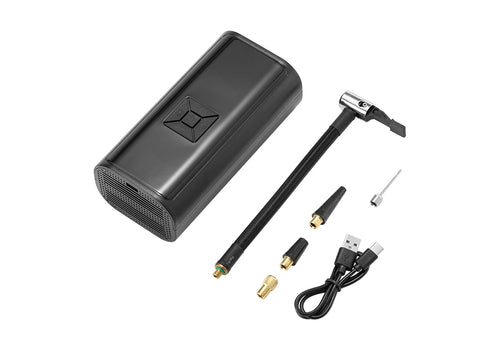
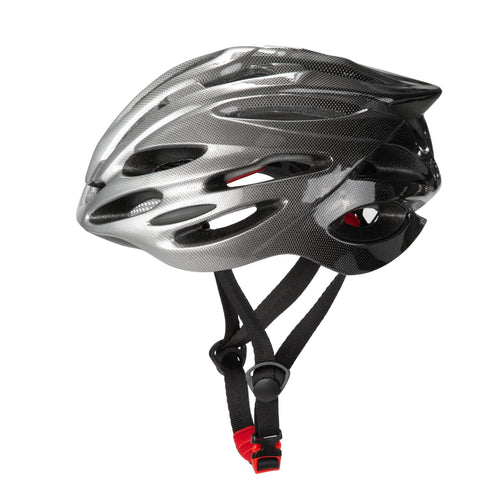
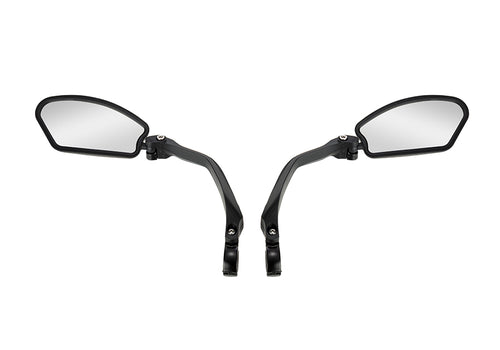
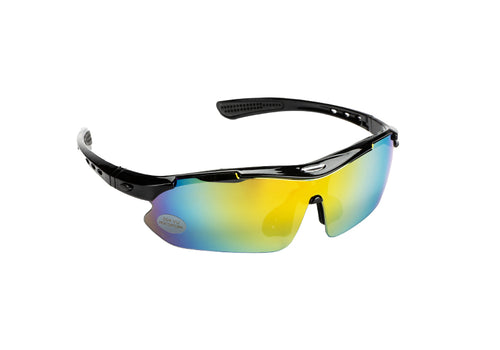
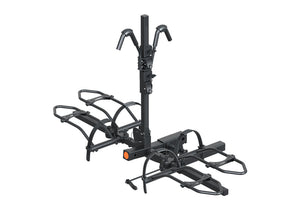
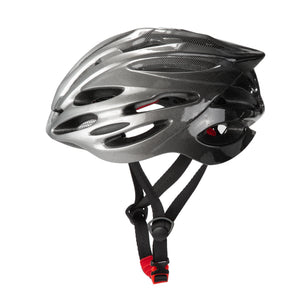
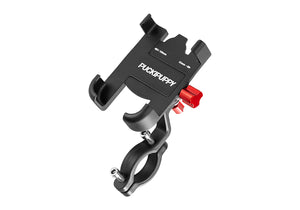
For a first e-bike, it helps to set a budget based on the full setup—not just the bike itself. In addition to the purchase price, leave room for essentials such as a helmet, lock, lights, or a rack and bag if you plan to commute or run errands.
The four models in this guide currently sit around the 900-1,000 range, but they spend that budget in different ways. The Doberman puts more emphasis on low weight and a natural pedal-assist feel. The Poodle prioritizes step-through access for everyday riding, while the Dachshund adds folding capability for riders with limited storage. The Samoyed uses the budget for a larger fat-tire setup suited to rougher pavement and gravel.
Before spending more, consider what the extra money will actually change for your rides. A larger motor may offer little benefit if most trips are short and relatively flat, while a lighter frame can matter every day if the bike needs to be moved through an apartment. Fat tires can be worth the added weight when rough pavement or gravel is part of the regular route.
Choosing Your First E-Bike Comes Down to Your Priorities
The best choice is the model that matches where you ride, how often you need to move or store the bike, and which features you will actually use. For more options, explore Puckipuppy’s Entry Level Electric Bikes and compare models based on your daily riding needs.