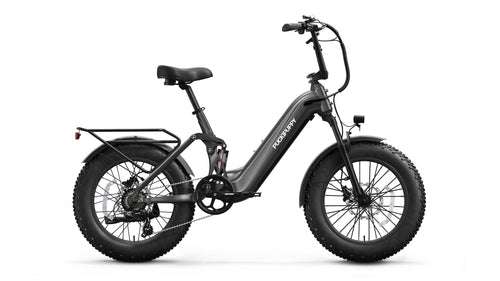



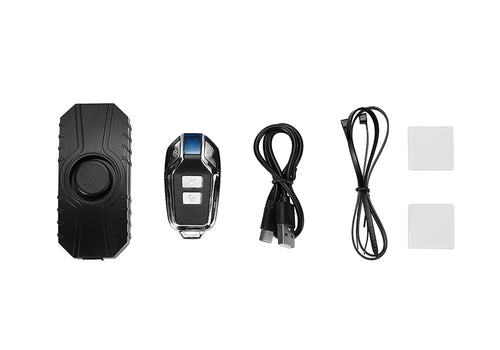
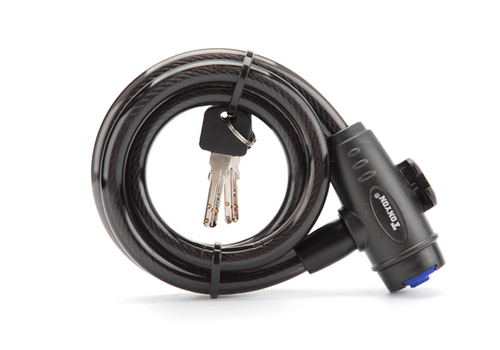

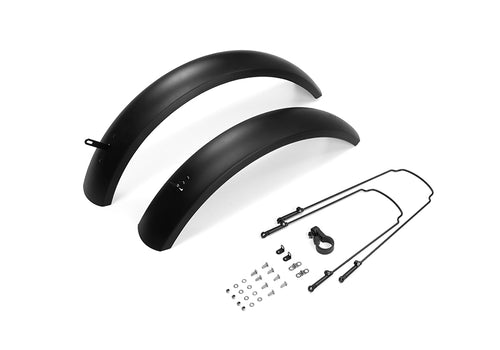













Eight e-bike brands worth considering in 2026 are Aventon, Lectric, Specialized, Himiway, Puckipuppy, Velotric, Rad Power Bikes, and Trek. Together, they offer options for urban commuting, compact folding bikes, performance mountain biking, fat tire off-road riding, long-distance adventures, and everyday cargo transportation. Understanding their differences can help consumers make more informed purchasing decisions.
Best E-Bike Brands in 2026 at a Glance
|
Brand |
Best For |
Typical Price Range (USD) |
Featured Models |
Key Features |
Ideal Riders |
|
Aventon |
Versatile Everyday Riding |
$1,200–$2,900 |
Pace 5 REC, Aventure 3 |
Urban riding, fat tire models, smart features |
Commuters, recreational riders, and weekend cyclists |
|
Lectric |
Folding Electric Bikes |
$800–$1,800 |
XP4, XP Lite3 |
Folding frames, compact design, practical features |
Budget-conscious riders who value storage and portability |
|
Specialized |
Performance-Focused Riding |
$3,000–$12,500 |
Turbo Levo 4, Vado 3 |
Advanced pedal-assist systems, performance frames, suspension |
Performance cyclists and dedicated mountain biking enthusiasts |
|
Himiway |
Long-Range Fat Tire Riding |
$1,300–$2,600 |
D5 2.0 ST, D5 2.0 20" |
Wide tires, full suspension, long-range configurations |
Long-distance recreational and mixed-terrain riders |
|
Puckipuppy |
Fat Tire Electric Bikes |
$700–$2,300 |
Labrador Pro, Boxer ST |
Fat tires, full suspension, multiple frame styles |
Riders seeking comfort and versatility across different terrain |
|
Velotric |
Comfort-Focused Commuting |
$1,100–$2,500 |
Discover 3, Nomad 2 |
Comfort-oriented designs, smart features, pedal-assist options |
Daily commuters and recreational riders |
|
Rad Power Bikes |
Cargo and Utility Riding |
$1,500–$2,400 |
RadRunner Max, RadWagon 5 |
Cargo capacity, rack designs, accessory options |
Shoppers, equipment carriers, and everyday utility riders |
|
Trek |
Dealer-Supported E-Bikes |
$2,000–$5,000 |
FX+ 2, Verve+ 3 Lowstep |
Urban models, in-store test rides, bike fitting, maintenance support |
Riders who value local service and long-term maintenance |
Note: These prices represent typical ranges for each brand's mainstream models, not the absolute minimum or maximum prices across its entire lineup. Actual prices may vary by configuration, promotion, and availability.
8 Best E-Bike Brands Worth Considering in 2026
Aventon — Best for Versatile Everyday Riding
Aventon offers electric bikes for urban commuting, recreational cruising, fat tire riding, and cargo transportation. Its lineup balances everyday convenience, riding comfort, and smart technology across different riding conditions.
The Pace 5 REC represents Aventon's urban cruiser category, emphasizing an upright riding position, smooth pedal assistance, and straightforward operation. It is designed for neighborhood rides, paved roads, and short daily commutes.
The Aventure 3 is built for more varied terrain. It features a 750W nominal motor, 4-inch fat tires, a suspension fork, and a suspension seatpost, with a manufacturer-rated range of up to 65 miles.
Selected Aventon models also support GPS tracking, smart connectivity, and anti-theft features, although availability varies by model.
For riders who split their time between daily transportation and weekend recreation, Aventon offers a broad selection.

Lectric — Best for Folding Electric Bikes
Lectric is known for its practical folding electric bikes, particularly for riders who need to balance transportation, storage space, and everyday usability.
The XP4 features a folding frame and a standard configuration with a maximum assisted speed of 28 mph and a range of up to 50 miles. Lectric also offers the XP4 750 with a higher-capacity battery and more powerful motor configuration. Its folding design makes storage easier, while the rear rack adds utility for shopping and short trips.
The XP Lite3 places greater emphasis on portability. Weighing approximately 49 pounds, it includes hydraulic disc brakes, turn signals, and a color display. Its compact design suits riders who need to transport their bike in a car or RV or store it in a limited space.
However, a folding frame does not automatically make an e-bike easy to carry. Buyers should still consider the bike's weight, folded dimensions, and whether they regularly need to carry it up stairs.
Specialized — Best for Performance-Focused Riding
Specialized offers electric bikes for mountain biking, road cycling, gravel riding, and urban transportation. Its product development focuses on optimizing pedal assistance, frame geometry, suspension, and handling for different riding disciplines.
The Turbo Levo 4 is a representative electric mountain bike designed for technical trails and demanding mountain terrain. Certain configurations deliver up to 850W of peak power and 111Nm of torque, along with front and rear suspension and a high-capacity battery.
The Vado 3 series serves riders who want a balance between urban transportation and mixed-terrain capability. Some emphasize front and rear suspension, while others prioritize efficiency and handling on city streets.
Specialized is particularly relevant to cyclists with specific performance goals who value purpose-built components. Because pricing, motor systems, and suspension configurations vary significantly across models, choosing the right version requires considering the intended riding discipline and available budget.

Himiway — Best for Long-Range Fat Tire Riding
Himiway focuses on fat tire electric bikes, extended-range options, and mixed-terrain riding. Selected models combine larger batteries, wide tires, and full suspension for recreational routes that extend beyond paved city streets, including gravel roads and rural trails.
The D5 2.0 ST features a step-through frame, a 750W nominal motor producing 90Nm of torque, 26×4.0-inch fat tires, and front and rear suspension. Its lower step-over height makes mounting and dismounting easier, particularly for riders who stop frequently or prefer a more accessible frame.
The D5 2.0 20" uses 20×4.0-inch tires and a more compact frame design. Compared with the 26-inch version, its wheel size and frame layout offer a different approach to bike dimensions and low-speed handling.
For range, the standard D5 2.0 configuration uses a 48V 15Ah battery, while selected configurations allow an additional battery to increase total energy capacity. However, the range gained from a dual-battery setup still depends on assistance level, rider load, and actual terrain.
When considering Himiway, buyers should pay close attention to overall bike weight, battery configuration, and riding conditions rather than treating the maximum advertised range as a guaranteed real-world distance.
Puckipuppy — Fat Tire Options for Mixed-Terrain Riding
Puckipuppy offers fat tire electric bikes, off-road models, step-through designs, commuter bikes, and electric trikes. Its fat tire lineup combines different frame styles and suspension configurations, providing options for recreational and mixed-terrain riding.
The Labrador Pro is a representative full-suspension fat tire e-bike featuring 26×4.0-inch tires, front and rear suspension, and a 750W nominal motor with 1.350W peak output. Its removable 48V 20Ah battery provides a manufacturer-rated range of up to 80 miles, while selectable torque-sensing and cadence-sensing modes offer different pedal-assist responses.
Labrador Pro
The Boxer ST also features 26×4.0-inch tires and full suspension but uses a step-through frame that reduces the height riders need to clear when mounting or dismounting. It comes with a 750W nominal motor, 960W peak output, a 48V 20Ah battery, and hydraulic disc brakes, with a manufacturer-rated range of up to 80 miles.
Boxer ST
The main differences between these models lie in their frame designs and motor configurations. The Labrador Pro appeals to riders who prefer a traditional step-over frame and its associated power configuration, while the Boxer ST emphasizes the convenience of a lower step-through design.
Buyers should consider their height, standover clearance, total bike weight, and primary riding environment. Although fat tires and full suspension can improve comfort on certain surfaces, proper tire pressure, protective equipment, and riding technique remain essential.
Velotric — Best for Comfort-Focused Commuting
Velotric offers electric bikes for commuting, recreational cruising, fat tire riding, and mixed-terrain use. Selected models combine comfortable riding positions, suspension cushioning, and smart features to improve everyday usability.
The Discover 3 represents its comfort-focused commuter lineup. It features a 750W nominal motor, a 730Wh battery, and a manufacturer-rated range of up to 80 miles. Riders can switch between torque-sensing and cadence-sensing modes, while features such as Apple Find My, Google Find Hub, and NFC unlocking provide added convenience for locating and accessing the bike.
For commuters who frequently stop, cross uneven pavement, or ride longer distances on paved roads, a comfortable riding position and suspension cushioning can make a meaningful difference.
The Nomad 2 expands Velotric's fat tire offerings, providing another option for riders interested in gravel paths and other unpaved surfaces.
When choosing a Velotric model, buyers should prioritize frame fit, riding position, and daily routes before comparing smart features and pedal-assist systems. This helps avoid paying extra for features they may rarely use.
Rad Power Bikes — Best for Cargo and Utility Riding
Rad Power Bikes emphasizes cargo capacity and functional versatility through its Cargo and Utility lineups, designed for shopping, carrying work equipment, and other everyday transportation needs.
The RadRunner Max represents its compact utility e-bike category. According to the manufacturer, it supports a maximum total payload of 420 pounds, including a maximum rider weight of 275 pounds, while the rear rack has its own separate weight limit. Its frame and rack design accommodate different cargo setups while maintaining a relatively compact utility-bike layout.
The RadWagon 5 uses a longtail cargo frame that provides more room for rear cargo platforms and compatible accessories, making it suitable for riders with regular carrying needs.

Trek —Dealer Support and In-Person Service
Trek offers electric bikes for urban commuting, recreation, mixed-terrain riding, and mountain biking. Beyond its products, the brand's retail stores and authorized dealer network are an important consideration for riders who value in-person purchasing and service.
The FX+ 2 has a frame design similar to a conventional city bike and is intended for commuting and recreational riding. It suits cyclists who want to maintain a familiar bicycle feel while benefiting from electric assistance.
The Verve+ 3 Lowstep places greater emphasis on comfort and accessibility. It features a lowstep frame, a Bosch Performance Line pedal-assist system, and a manufacturer-rated range of up to 68 miles. Its upright riding position and accessible frame design suit recreational and everyday transportation needs.
Trek dealers can help customers assess frame sizes, arrange test rides, and discuss maintenance and repairs. This can reduce uncertainty for buyers who are less familiar with e-bike assembly, setup, or electrical system servicing.
However, model availability and service capabilities vary by location. Buyers should confirm whether their local dealer carries the desired bike and provides the necessary technical support.
What Makes a Good Electric Bike Brand?
Choosing an electric bike brand involves more than comparing motor power, maximum range, or price. Battery safety, ride quality, comfort, after-sales support, and long-term ownership costs are equally important.
Battery Safety and Certifications
Prioritize brands that provide clear and verifiable safety certification information. In the U.S., UL 2849 applies to e-bike electrical systems, while UL 2271 addresses batteries used in light electric vehicles. These standards serve different purposes and should not be treated as interchangeable.
Buying criteria: Verify the certification status, issuing organization, and scope for the specific model. Confirm battery and charger compatibility, and check compliance with applicable local regulations. Be cautious of products that cannot provide verifiable certification information.
Riding Performance and Real-World Range
Beyond nominal and peak motor power, consider motor type, torque, sensors, and power delivery. Battery capacity is generally expressed in watt-hours (Wh). For example, a 48V 20Ah battery provides approximately 960Wh of nominal energy, but actual range depends on load, terrain, assistance level, and weather.
Buying criteria: Compare range figures measured under similar conditions and allow sufficient battery reserve for daily travel. Riders who frequently climb hills, use higher assist levels, or ride in cold weather should plan for additional range margin rather than relying solely on maximum advertised mileage.
Frame Design, Suspension, and Riding Comfort
Frame fit, riding position, tires, and suspension directly influence comfort and handling. Step-through frames make mounting and dismounting easier, fat tires support riding on various surfaces, front suspension absorbs impacts at the front wheel, and full suspension adds rear-wheel cushioning. However, additional suspension components may increase weight and maintenance requirements.
Buying criteria: Check recommended rider height, standover height, saddle height, and riding position. For urban riding, prioritize comfort and easy handling. For rougher routes, consider suitable tires and suspension.

Warranty, Repairs, and Replacement Parts
After-sales support affects the long-term ownership experience. Batteries, motors, controllers, and displays require compatible replacement parts and technical support, while tires, brake pads, and chains are routine maintenance items.
Buying criteria: Review warranty periods and exclusions for the frame, battery, and motor. Confirm whether replacement batteries and critical components are sold separately, and check the availability of local repair services.
Purchase Price and Long-Term Ownership Costs
A higher price does not automatically mean a better fit. Mountain biking may justify more advanced suspension and drivetrain components, while urban commuting often places greater value on comfort, braking, and maintenance convenience.
Buying criteria: Within the same budget and riding category, compare specifications, warranty coverage, replacement-part prices, and maintenance costs. Good value means meeting actual riding needs at a reasonable total ownership cost, not simply buying the bike with the most features.
Recommended reading: How to Choose an Electric Bike
How to Choose the Right E-Bike Brand for Your Riding Style
Identifying the primary riding purpose before comparing brands and models is more effective than choosing based on brand recognition alone.
|
Primary Riding Need |
Brands to Consider |
Features to Prioritize |
|
Urban commuting and recreational riding |
Aventon, Velotric, Trek |
Riding position, frame fit, comfort, lighting |
|
Folding storage and vehicle transport |
Lectric |
Folded dimensions, weight, portability |
|
Fat tire and mixed-terrain recreation |
Puckipuppy, Himiway |
Tires, suspension, brakes, real-world range |
|
Performance cycling and mountain biking |
Specialized |
Frame geometry, motor system, suspension travel |
|
Shopping and everyday cargo transport |
Rad Power Bikes, Lectric |
Rack capacity, accessory compatibility, bike dimensions |
For commuting primarily on paved roads, bike weight, comfort, and ease of maintenance often matter more than maximum peak power. Fat tires and full suspension can be useful on gravel, packed dirt, and moderately uneven surfaces, while highly technical mountain trails call for purpose-built electric mountain bikes.
Riders who frequently carry cargo should also examine total payload limits, rack restrictions, and handling under load. Even when two bikes have similar motors and range ratings, their frame layouts and cargo configurations can produce very different riding experiences.
A practical approach is to shortlist two or three models that meet the primary riding need, then compare frame fit, components, price, and after-sales support.