
















There is no universal mileage interval for replacing e-bike brake pads. Their lifespan depends on braking frequency, riding terrain, load, brake pad material, and maintenance. Rather than waiting for your brakes to fail, regularly inspect the friction material thickness, brake rotor condition, and braking performance.
As a general guideline, inspect your brake pads monthly and check them more frequently after rides involving long descents, heavy loads, or wet and muddy conditions . Replace brake pads promptly when they reach the manufacturer's wear limit or show signs of significant contamination or damage.
How Often Should E-Bike Brake Pads Be Replaced?
E-bike brake pad lifespan varies by bike model and riding conditions, so mileage or time alone cannot determine when replacement is necessary. Frequent stops, long descents, and heavy loads increase braking demands, while gravel, dirt, and contamination can also accelerate wear.
How Can You Estimate Brake Pad Lifespan?
Rather than following a fixed replacement interval, a more reliable approach is to consider both inspection frequency and actual wear.
|
Riding Conditions |
Main Factors Affecting Wear |
Recommended Inspection |
|
Flat roads and light commuting |
Routine braking and riding frequency |
Inspect at least monthly |
|
Heavy urban traffic |
Frequent stops and repeated braking |
Inspect more frequently |
|
Mountain trails and long descents |
Sustained braking and increased heat |
Inspect closely before and after demanding rides |
|
Heavy loads or cargo riding |
Increased braking demands |
Increase inspection frequency based on wear |
|
Rain, mud, or gravel |
Debris, moisture, and contamination of braking surfaces |
Clean and inspect after riding |
Actual replacement timing should be based on wear and the manufacturer's requirements.
How Often Should You Inspect Your Brake Pads?
Inspect your disc brake pads monthly as a general guideline. If you frequently ride in wet or muddy conditions, inspect them more often. Also check rotor thickness, surface damage, and braking performance.
If brake lever travel changes noticeably, braking performance declines, or unusual grinding noises develop, investigate the cause immediately rather than waiting until your next scheduled inspection.

How to Tell When Your E-Bike Brake Pads Need Replacing
You cannot reliably determine whether e-bike brake pads need replacing by appearance alone or simply by checking whether the brakes still work. Focus on the following three areas.
1. Check Brake Pad Thickness
Brake pads typically consist of friction material attached to a metal backing plate. Inspect the remaining friction material. If it reaches the manufacturer's minimum thickness or wear limit, replace the pads promptly. Wear standards vary by brake system, so do not confuse the thickness of the friction material with the thickness of the backing plate.
If the pads show noticeable uneven wear, check caliper alignment and other brake components for potential problems.
Measurement methods also vary by manufacturer:
- Some SRAM disc brake systems: Replace the pads when the combined thickness of the friction material and backing plate reaches 3 mm or less.
- Some Shimano disc brake systems: Replace the pads when the friction material reaches 0.5 mm or less.
These measurements apply to different systems and are not interchangeable. Always consult the official documentation for your specific brake model.
2. Check for Uneven Wear and Contamination
Pay particular attention to the following conditions:
- Brake pads show noticeable uneven wear, cracks, or material damage.
- Oil contamination affects the friction material and reduces braking performance.
- The brake rotor has cracks, deformation, severe scoring, or thickness below the specified limit.
If the pads wear unevenly, inspect caliper alignment and other related components rather than simply replacing the pads and ignoring the underlying problem.
3. Watch for Changes in Braking Performance
Longer stopping distances, reduced braking power, an unusual brake lever feel, or persistent metal-on-metal grinding may indicate a problem with the braking system.
These symptoms are not always caused by worn brake pads. Rotor contamination, caliper problems, or hydraulic system faults can produce similar symptoms.
Safety note: If braking performance declines significantly, the pads have reached or passed their wear limit or persistent metal-on-metal grinding occurs, stop riding until the problem has been inspected and corrected.
Why Are Your E-Bike Brakes Making Unusual Noises?
Squealing brakes do not necessarily mean the pads are worn out, but the noise should not be ignored.
|
Symptom |
Possible Cause |
Recommended Action |
|
Brief squealing after riding in the rain |
Wet braking surfaces |
Check braking performance and reassess after the components dry |
|
Persistent squealing |
Contaminated pads or rotors, vibration, or installation issues |
Inspect the braking surfaces and caliper |
|
Noticeable grinding or metal-on-metal noise |
Severely worn pads, debris, or rotor damage |
Stop riding and inspect the braking system |
|
Reduced braking power and an unusual lever feel |
Worn pads, hydraulic issues, or another brake system fault |
Inspect the entire braking system |
For some disc brake systems, if unusual noise persists after the pads have been properly bedded in, inspect the rotor for contamination. Follow the manufacturer's maintenance instructions, which may recommend cleaning the rotor with isopropyl alcohol and a clean cloth.
Important: Keep oil and grease away from brake pads and rotors. Pads contaminated with oil may need to be replaced. Do not assume they are safe to use simply because they have been wiped clean.

How Much Does E-Bike Brake Pad Replacement Cost?
E-bike brake pad replacement costs depend primarily on the replacement part model, material, labor charges, and whether the rotor or other components also need attention.
|
Service or Part |
Typical Cost (USD) |
What to Know |
|
Replacement brake pads |
$10–$35 per set |
Prices vary by model, material, and brake system |
|
Brake pad installation labor |
$15–$40 per wheel |
Excludes parts; some e-bike repair shops charge more |
|
Replacement brake rotor |
$15–$50 per rotor |
Estimated range; depends on size, material, and model |
|
Brake rotor replacement labor |
$30–$70 per wheel |
Varies by bike model and installation complexity |
|
Hydraulic brake bleed |
$35–$85 per brake |
Usually excludes pads, rotors, and other repairs |
|
Caliper, hydraulic line, and other repairs |
$80–$200+ |
Rough estimate; actual costs depend on the problem, parts, and labor |
If the brake pads have reached their wear limit but the rotor remains within its service specifications, replacing the entire braking system is generally unnecessary. However, if the rotor is below its specified thickness, cracked, or severely damaged, further repair or replacement may be necessary.
Replacing brake pads yourself can save on labor costs, provided you can confirm compatibility, install the parts correctly, and verify proper braking performance. If you are unfamiliar with disc brake systems, consider having a professional mechanic perform the work.
How to Choose and Replace E-Bike Brake Pads
Before buying replacement brake pads, confirm your brake caliper model, pad shape, and the material types approved by the manufacturer. Do not choose replacement pads based on appearance alone.
What Is the Difference Between Resin and Metallic Sintered Brake Pads?
|
Feature |
Resin Brake Pads |
Metallic Sintered Brake Pads |
|
Noise |
Generally quieter |
May produce more noticeable noise |
|
Braking feel |
Often provide smoother braking modulation |
Generally offer better resistance to sustained high temperatures |
|
Demanding riding conditions |
May wear faster under some high-load conditions |
Often provide greater wear resistance in demanding conditions |
|
Compatibility |
Must meet brake system requirements |
Must meet brake system requirements |
Actual performance depends on the pad formulation, rotor, and brake system design. Metallic sintered pads are not suitable for every bike, and material alone cannot determine which pads will last longer.
What Should You Do After Replacing E-Bike Brake Pads?
After replacing the pads, check the installation, wheel rotation, and braking function.
During the bedding-in process, test the brakes in a safe, controlled environment and follow the manufacturer's procedure. Avoid riding at high speeds or attempting your first test on a steep descent. New brake pads and rotors need to be bedded in according to the manufacturer's instructions. Skipping this step can reduce braking performance and increase the likelihood of noise.
If you need to disassemble hydraulic disc brakes, retract caliper pistons, or service the hydraulic system, follow the repair manual for your specific model. Seek professional assistance if you are unfamiliar with the procedure.
How to Make Your E-Bike Brake Pads Last Longer
Proper maintenance can reduce unnecessary wear, but it cannot replace brake pads that have reached their wear limit.
- Slow down early: Anticipate road conditions and avoid unnecessary hard braking.
- Manage your speed on descents: Avoid prolonged dragging of the brakes. Brake appropriately for the terrain and follow the manufacturer's recommendations.
- Keep braking surfaces clean: Use manufacturer-approved cleaning methods and keep oil and grease away from the pads and rotors.
- Inspect after wet or muddy rides: Remove dirt and check the friction material and rotor condition.
- Inspect the entire braking system regularly: In addition to the pads, check rotor thickness, caliper condition, and overall braking performance.
Keep Your Brakes in Safe Working Condition
How often you should replace e-bike brake pads depends on actual wear, riding conditions, and the manufacturer's replacement specifications. Inspect your pads regularly and increase inspection frequency when riding in wet, muddy, heavily loaded, or downhill conditions. Checking friction material thickness, addressing unusual noises promptly, and checking rotor condition and keeping the braking surfaces clean can help you determine when replacement is necessary and keep your braking system working reliably.
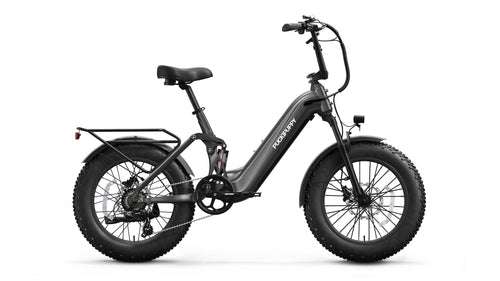
If you are also comparing new e-bikes, consider the braking system, rotor setup, riding load, and terrain alongside motor power and range.
🚲Explore PUCKIPUPPY electric bikes to compare models for commuting, recreational riding, and outdoor routes.