



















Electric bikes are no longer just a niche way to get around. From daily city commuting and weekend rides to off-road adventures, eBikes have become part of more people’s everyday lifestyles. Among the many types of eBikes available today, Fat Tire eBikes and Regular Tire eBikes are two of the most popular choices.
At first glance, the biggest difference between them seems to be tire width. But in reality, tire size can significantly affect the overall riding experience, including comfort, stability, terrain capability, riding efficiency, and even battery range.
In this article, we’ll take a closer look at Fat Tire vs Regular Tire eBikes by comparing ride comfort, stability, speed, battery performance, and ideal riding conditions to help you choose the best eBike for your lifestyle.
What Is a Fat Tire eBike?
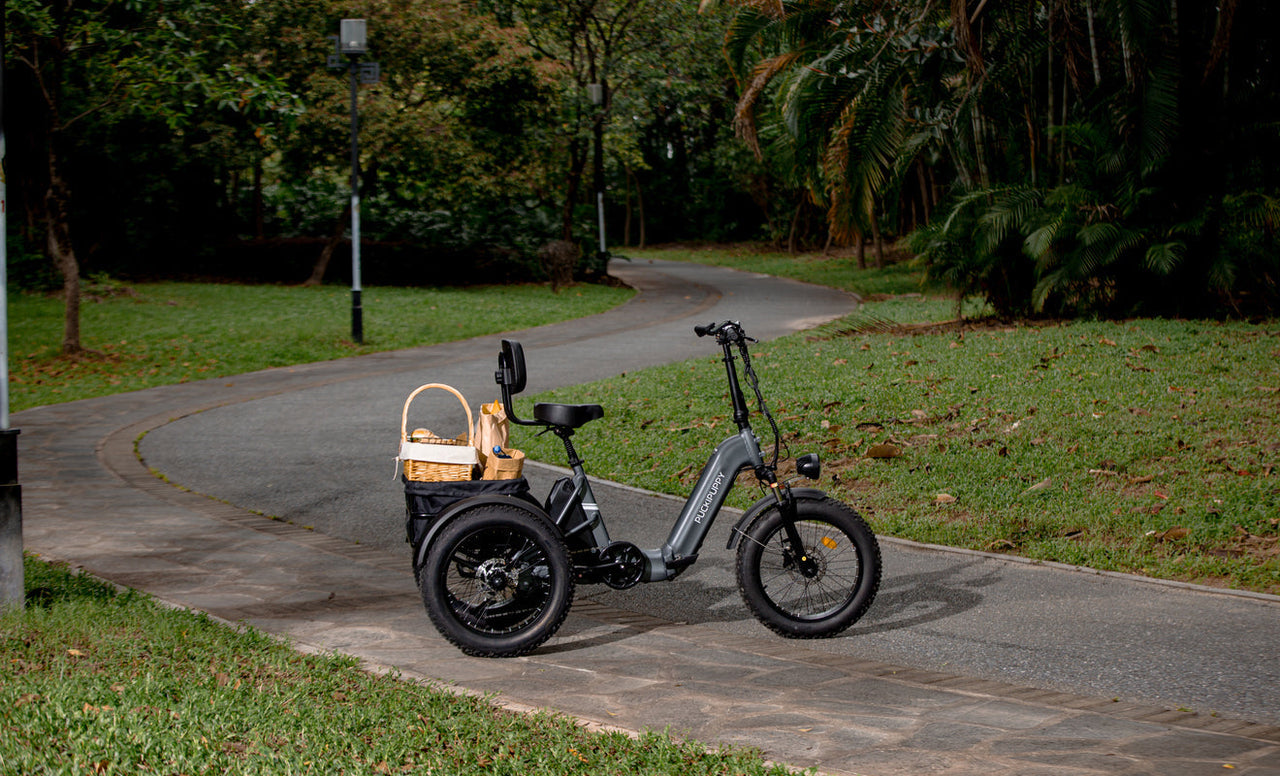
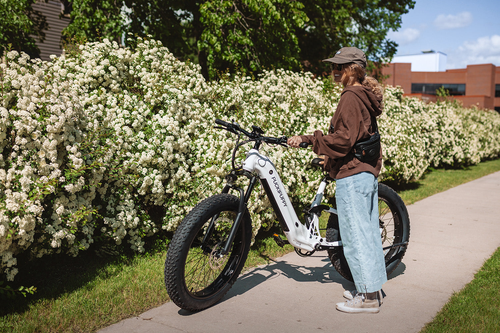
A Fat Tire eBike, as the name suggests, is an electric bike equipped with oversized tires. While regular eBikes typically use tires around 2 inches wide, fat tire eBikes usually feature tires that are 4 inches wide or even larger, giving them a more rugged look and a noticeably different riding experience.
Fat tires were originally designed for riding on challenging terrain such as snow, sand, and loose gravel, where standard bike tires often struggle to maintain traction. However, as eBike technology has evolved, Fat Tire eBikes have expanded far beyond off-road use. Today, they are widely used for commuting, recreational riding, and outdoor adventures, making them one of the most versatile types of eBikes on the market.
Key Features of a Fat Tire eBike
Better Traction
One of the biggest advantages of a Fat Tire eBike is improved traction. The wider tires create a larger contact area with the ground, helping riders maintain better grip on surfaces like sand, mud, gravel, snow, and wet roads.
More Comfortable Ride
Fat tires also provide a smoother and more comfortable riding experience. Because the tires hold more air volume, they can naturally absorb bumps and road vibrations more effectively than standard tires.
Whether you're riding on rough city streets, uneven pavement, or longer outdoor routes, fat tires can help reduce impact and rider fatigue, making long rides feel more comfortable.
Increased Stability and Confidence
Fat Tire eBikes are known for their stable handling. The wider tires help improve balance and control, especially during low-speed riding, cornering, or riding on uneven terrain.
For beginners, this added stability can make the bike feel easier and more confidence-inspiring to ride.
Better for All-Terrain Riding
From city streets and mountain trails to beach paths and snowy roads, Fat Tire eBikes are designed to handle a wide variety of terrain conditions.
Because of their versatility, many riders see them as a more adventure-ready type of eBike compared to standard tire models.
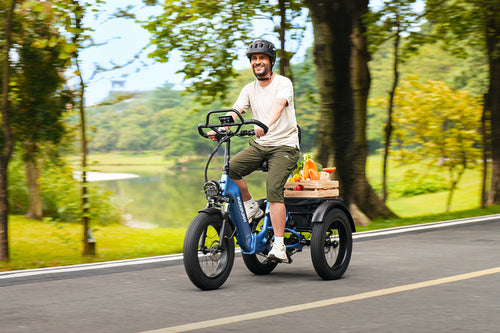
Today, modern Fat Tire eBikes are no longer limited to outdoor or off-road riding. Many newer models now combine all-terrain capability with commuter-friendly designs, lighter frames, and smarter features, making them increasingly practical for everyday use as well.

What Is a Regular Tire eBike?
A Regular Tire eBike is an electric bike equipped with narrower, more traditional-sized tires. Compared to the 4-inch-wide tires commonly found on Fat Tire eBikes, regular tire eBikes typically use tires between 1.95 and 2.6 inches wide, making them more similar to traditional city bikes or mountain bikes.
Because of their lighter tires and slimmer overall design, Regular Tire eBikes are generally built with efficiency, agility, and everyday practicality in mind. They are especially popular for city commuting, daily transportation, and longer rides on paved roads.
Compared to fat tire models, Regular Tire eBikes usually feel lighter, more responsive, and easier to maneuver in urban environments, making them a common choice for riders who prioritize speed, efficiency, and convenient everyday riding.
Key Features of a Regular Tire eBike
Lighter and More Agile
Because they use narrower tires and usually have a lighter overall frame, Regular Tire eBikes tend to feel more agile and responsive. They are easier to maneuver in traffic, making them especially practical for riders who frequently stop, turn, and navigate busy city streets.
Higher Riding Efficiency
Regular tires generally create less rolling resistance than fat tires, which means riders can pedal more efficiently and maintain speed more easily.
For daily commuting and longer paved-road rides, this lighter and more efficient riding feel is one of the biggest advantages of a Regular Tire eBike.
Better for Paved Roads
On smooth pavement, bike lanes, and city streets, Regular Tire eBikes typically deliver a faster and more streamlined riding experience.
Their lighter design makes them well suited for urban transportation and everyday commuting.
Better Battery Efficiency and Longer Range
Because the bike is lighter and the tires create less drag, Regular Tire eBikes are usually more energy efficient.
With the same battery setup, they can often achieve longer riding range compared to heavier fat tire models, making them a popular option for long-distance commuters.
Compared to Fat Tire eBikes, which focus more on comfort and all-terrain capability, Regular Tire eBikes are designed more as lightweight, efficient solutions for city riding and everyday transportation.
That said, modern Regular Tire eBikes are still capable of handling mild rough roads and uneven surfaces. While they may not offer the same off-road traction or cushioning as fat tire models, many newer designs still provide a stable and comfortable riding experience for most daily riding conditions.
Fat Tire vs Regular Tire eBike: Key Differences
While both Fat Tire eBikes and Regular Tire eBikes are designed to make riding easier and more enjoyable, they offer very different riding experiences due to differences in tire size, bike structure, and intended riding style.
The table below highlights the main differences between the two types of eBikes.
|
Comparison |
Fat Tire eBike |
Regular Tire eBike |
|
Tire Width |
Usually 4 inches or wider |
Usually 1.95–2.6 inches |
|
Ride Comfort |
Better shock absorption and smoother ride |
More direct road feel and lighter handling |
|
Terrain Capability |
Better for sand, snow, gravel, trails, and rough terrain |
Best for paved roads and city riding |
|
Traction |
Stronger grip on loose or uneven surfaces |
Less traction on difficult terrain |
|
Stability |
More stable and beginner-friendly |
More agile and responsive |
|
Riding Efficiency |
Higher rolling resistance, requires more power |
More efficient and easier to pedal |
|
Speed Feel |
Focused more on comfort and stability |
Easier to maintain higher cruising speeds |
|
Battery Range |
Usually slightly shorter range |
Usually longer range with the same battery |
|
Bike Weight |
Heavier overall |
Lighter and easier to handle |
|
Storage & Portability |
Bulkier and harder to carry |
Better for apartments and daily commuting |
|
Best For |
Outdoor riders, off-road use, comfort-focused riders |
City commuters and long-distance riders |
|
Style & Appearance |
Rugged, bold, adventure-focused look |
More traditional and sporty appearance |
|
City Commuting |
Comfortable but less agile |
Faster, lighter, and more practical |
|
Ideal Riding Scenarios |
All-terrain and mixed-condition riding |
Urban commuting and everyday transportation |
Pros and Cons of Fat Tire eBikes
Fat Tire eBikes have become increasingly popular in recent years, especially among riders who value comfort, stability, and all-terrain capability. Compared to regular tire models, fat tire eBikes are designed to handle rougher terrain and provide a smoother riding experience. However, these benefits also come with some trade-offs in areas like weight, efficiency, and battery range.
The table below gives a quick overview of the main advantages and disadvantages of Fat Tire eBikes.
|
Pros |
Cons |
|
Better traction on sand, snow, gravel, and rough terrain |
Heavier overall weight makes storage and carrying less convenient |
|
More stable and beginner-friendly riding experience |
Higher rolling resistance reduces riding efficiency |
|
Better shock absorption and overall riding comfort |
Uses more battery power and may have shorter range |
|
Great for outdoor riding and all-terrain adventures |
Less agile for fast city commuting |
|
Bold, rugged, and adventure-inspired appearance |
Usually more expensive and may cost more to maintain |
Overall, if you prioritize comfort, stability, and riding across different terrain conditions, a Fat Tire eBike can be an excellent choice. However, if your main focus is lightweight handling, efficient city commuting, and long-distance daily riding, a Regular Tire eBike may be the more practical option.

Pros and Cons of Regular Tire eBikes
Compared to Fat Tire eBikes, which focus more on comfort and all-terrain capability, Regular Tire eBikes are generally designed to be lighter, more efficient, and better suited for urban riding. For daily commuting and long-distance riding on paved roads, regular tire models often provide a faster and more practical riding experience. However, they may not perform as well on rough or challenging terrain.
|
Pros |
Cons |
|
Lighter overall weight makes carrying and storage easier |
Less traction compared to Fat Tire eBikes |
|
Higher riding efficiency and better for city commuting |
Not ideal for sand, snow, or rough terrain |
|
Lower rolling resistance makes pedaling easier |
Less shock absorption and overall ride cushioning |
|
More energy efficient with longer battery range |
Reduced stability on wet or gravel surfaces |
|
More agile handling for urban riding and traffic |
Rough roads may feel harsher during longer rides |
|
Great for long-distance daily riding |
Limited all-terrain riding capability |
|
Usually more affordable with lower maintenance costs |
More traditional appearance with less rugged styling |
If your primary riding needs involve city commuting, everyday transportation, or long-distance riding on paved roads, a Regular Tire eBike is often the more efficient, lightweight, and practical option. However, if you prefer outdoor adventures, rough terrain riding, or a smoother and more stable riding experience, a Fat Tire eBike may be the better choice.
Which eBike Fits Your Riding Style?
There’s no single “best” choice between a Fat Tire eBike and a Regular Tire eBike. The right option depends on your riding style, terrain, and daily needs.
Who Should Choose a Fat Tire eBike?
Fat Tire eBikes are ideal for riders who prioritize comfort, stability, and all-terrain capability. Their wider tires provide better traction on:
- sand
- snow
- gravel
- trails
- rough or uneven roads
They’re a great choice for outdoor adventures, camping trips, trail riding, and riders who want a smoother, more confidence-inspiring ride.
Who Should Choose a Regular Tire eBike?
Regular Tire eBikes are better suited for riders who prioritize efficiency, agility, and everyday city riding.
They work especially well for:
- daily commuting
- city streets
- bike lanes
- long-distance pavement riding
Because they’re lighter and more efficient, they typically offer:
- easier maneuverability
- quicker acceleration
- longer battery range
- easier storage and transport
making them a practical option for urban commuting and everyday transportation.
|
Riding Scenario |
Fat Tire eBike |
Regular Tire eBike |
|
City Commuting |
Comfortable but heavier |
More efficient and agile |
|
Trail Riding |
Better suited |
Average |
|
Beach Riding |
Excellent choice |
Not recommended |
|
Snow Riding |
Better traction and stability |
Less grip on slippery surfaces |
|
Hunting / Outdoor Riding |
Better for rough terrain |
Less suitable |
|
Long-Distance Riding |
More comfortable |
More energy efficient |
Choosing the Right eBike for the Way You Ride
When it comes to choosing between a Fat Tire eBike and a Regular Tire eBike, there’s no single option that’s “better” for everyone. Each type offers its own advantages and is designed for different riding styles, terrain, and everyday needs.
If you prefer a smoother, more stable riding experience and want a bike that can confidently handle rough roads, trails, sand, or snow, a Fat Tire eBike may be the better choice. With stronger traction, improved shock absorption, and a more rugged design, fat tire models are especially popular among riders who enjoy outdoor adventures and all-terrain riding.
On the other hand, if your main priority is efficient city commuting, long-distance riding, and lightweight handling, a Regular Tire eBike will often be the more practical option. Their lighter frames, more agile handling, and better battery efficiency make them ideal for urban riding and everyday transportation.
In the end, choosing the right eBike isn’t just about comparing specs or chasing the most powerful setup. It’s about finding a bike that truly matches your riding habits, lifestyle, and the way you want to ride every day.
Because the right eBike isn’t just a way to get from one place to another — it can completely change the way you experience your daily rides and outdoor adventures.
🚴 Ready to experience smoother rides, better traction, and more confidence on every terrain?
🔥 Explore Puckipuppy’s fat tire eBike collections to find the perfect ride for your next commute, weekend escape, or outdoor adventure.