














When considering an electric bike (e-bike), one common question is: How much does an e-bike weigh? E-bikes are generally heavier than traditional bicycles due to essential components like the motor, battery, and frame. On average, an e-bike weighs between 20 to 25 kg (44 to 55 lbs), which is about 2 to 3 times heavier than a regular bike. This added weight is necessary to support the motor and battery that enhance e-bike performance, but it’s important to understand how it impacts your overall riding experience.
What Affects the Weight of an E-Bike?
Several factors contribute to the weight of an electric bicycle, each influencing performance, handling, and comfort. Let’s break down these factors to give you a clearer idea of what’s behind your e-bike's weight.
Motor Weight
The motor is one of the most significant contributors to an e-bike's weight. The average motor weighs anywhere from 2 to 5 kg (4.4 to 11 pounds). There are two common types of motors found on e-bikes:
-
Hub Motors: These motors are located in the wheel hub, either at the front or rear wheel. They tend to be slightly heavier but are simpler and more affordable.
-
Mid-Drive Motors: Positioned at the bike’s bottom bracket, these motors provide better weight distribution and are typically lighter than hub motors. They offer a more natural riding experience, especially on hills.
The motor’s weight is also influenced by its power output. Motors with higher wattage tend to be heavier, but they offer better performance, especially for off-road and long-distance.

Battery Weight
The battery is another major contributor to the weight of an e-bike. Modern e-bike batteries typically weigh between 2.5 to 5 kg (5.5 to 11 pounds). The battery’s capacity, measured in watt-hours (Wh), directly affects its weight. The more capacity it has, the heavier the battery will be. Higher-capacity batteries can offer longer riding ranges but will also add extra weight to the bike.
Most e-bikes come with batteries in the range of 400Wh to 700Wh, with high-end models reaching up to 1000Wh or more. As you can imagine, larger batteries mean longer range, but also more weight. It's important to balance these two factors based on your riding needs.
Frame Material
The material used in the frame is another significant factor that determines the weight of the bike. Frame materials typically fall into one of these categories:
-
Aluminum: The most common material used in e-bikes, aluminum offers a good balance between weight and strength. However, it’s heavier than carbon fiber or titanium, making it more suited for budget-friendly models.
-
Carbon Fiber: Known for its light weight and strength, carbon fiber frames are lighter than aluminum but come at a higher price.
-
Steel: Steel is another option, often found in budget-friendly or heavy-duty bikes. While it’s durable, steel frames are typically the heaviest.
-
Titanium: Lightweight and durable, titanium frames are rarely used on standard e-bikes due to their high cost but offer a perfect balance for premium bikes.
The choice of material will greatly affect how heavy or light the bike feels, especially when you have to carry it.
Additional Components
Other components, such as wheels, suspension, and brakes, also play a role in the overall weight. High-performance parts are generally lighter, but they can increase the overall price. For instance, suspension forks and shock absorbers add extra weight but can be essential for off-road or long-distance rides. Similarly, high-end components like hydraulic disc brakes can be heavier than standard options but offer better stopping power.
Learn more: How to Choose a Powerful E-Bike?
How Does the Weight of an E-Bike Affect Performance?
E-bike weight affects several aspects of riding, including handling, stability, and range.
Handling and Maneuverability
When riding an e-bike, especially in urban areas with a lot of stops and starts, handling is a key factor. Lighter bikes are generally more maneuverable, allowing you to weave through traffic, make sharp turns, and handle tight spaces with ease. If you're someone who often needs to lift or carry the bike, like taking it up stairs or onto public transportation, a lighter e-bike will be easier to manage.
On the other hand, heavier e-bikes provide better stability, particularly when riding at higher speeds or over rough terrain. For those who plan to use their e-bike for long rides or off-road adventures, a heavier bike may offer more comfort and control.
Stability and Comfort
A heavier e-bike tends to offer more stability, especially at high speeds or on uneven terrain. This can make long-distance rides more comfortable, as the added weight helps smooth out bumps and vibrations. A lighter e-bike, while easier to maneuver, might not offer the same level of comfort over long stretches or on rougher surfaces.
Range and Efficiency
E-bike weight also plays a role in range—the distance your bike can travel on a single charge. In general, the lighter your e-bike, the more efficient it will be, allowing it to go further on less battery power. However, keep in mind that lighter e-bikes often have smaller batteries, which could limit your range.
Heavier e-bikes with larger batteries may offer a longer range, but they require more energy to move. The added weight can affect your battery efficiency, especially if you're riding at higher speeds or on more challenging terrain.
Lighter or Heavier E-Bikes: Which One Is Right for You?
Choosing the right e-bike weight depends on your specific needs and riding style. Here’s a breakdown of what to consider:
-
For Commuting: If you're primarily using your e-bike for short commutes in the city, a lighter e-bike is ideal. Lighter models are easier to maneuver in traffic and carry up stairs, and they’re more efficient for daily use. A lighter e-bike also helps with parking and storing in tight spaces.
-
For Long-Distance Riding or Off-Roading: If you're planning to use your e-bike for longer rides or off-road trails, a heavier bike with a more powerful motor and larger battery is the way to go. Heavier e-bikes tend to be more stable and comfortable on rough terrain, and the larger battery will give you the range you need for extended rides.
-
For Casual Riders: If you’re looking for something that balances performance and comfort, consider a mid-weight e-bike. These bikes offer a good compromise between maneuverability and stability, making them perfect for a variety of riding conditions.
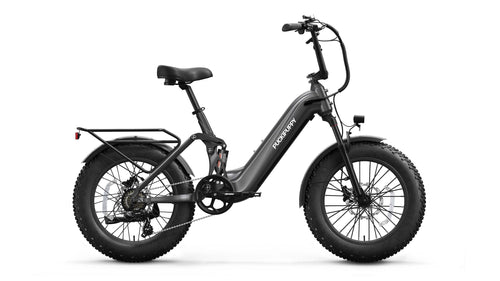
The Doberman Ebike: A Great Example of a Lightweight E-Bike
One excellent example of a lightweight e-bike is the Doberman Ebike. Weighing in at just 42 lbs (19 kg), the Doberman features a light aluminum frame that is 30% lighter than many traditional e-bikes on the market. Despite its lightweight design, it doesn’t compromise on performance.
Doberman Ebike
Equipped with a 600W motor, the Doberman provides pedal assistance up to 25 mph and offers a max range of 70 miles—perfect for city commuters and weekend explorers alike. The bike also features an adjustable stem, which allows riders to customize their riding posture for optimal comfort.
With its torque sensor, the Doberman offers responsive and natural pedaling assistance, making it a great option for those looking for a smooth, comfortable ride without the feeling of extra bulk.
Find the E-Bike Weight That Fits Your Lifestyle
E-bike weight is a crucial factor to consider when choosing the right bike for you. Whether you prefer a lighter, more agile ride for city commuting or a heavier bike for longer distances and off-road adventures, understanding how weight affects your performance, comfort, and range will help you make the right decision. So, think about how you plan to ride, and choose an e-bike that fits your needs—and your lifestyle.
Learn more: What's the Difference? Class 1 vs. Class 2 vs. Class 3 E-Bikes