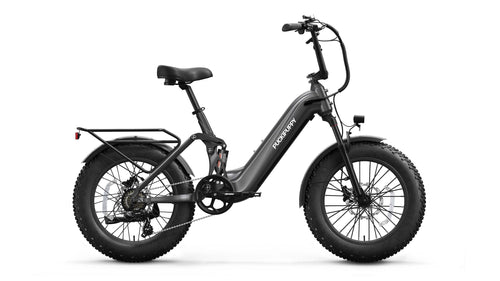















After buying an electric bike, many riders quickly face a second question: What else do I actually need?
For most riders, the best first purchases are a helmet that meets recognized safety standards, a lock suited to the risk level of their usual parking locations, and basic repair tools for checking tire pressure and handling minor flats. Whether accessories such as mirrors, fenders, rear racks, panniers, and spare batteries are worth buying depends on your commuting environment, cargo needs, and typical riding distance.
Start by Identifying How You Actually Ride
The same accessory may be essential for someone who commutes by bike every day but offers little value to someone who only takes short weekend rides.
Daily commuters often deal with intersections, traffic, changing weather, and temporary parking. For them, locks, helmets, mirrors, fenders, and storage accessories usually have a higher priority. Recreational riders may have fewer parking and cargo needs, so basic safety gear, a phone mount, a water bottle cage, and simple repair tools may be enough.
Long-distance and outdoor riders need to prepare for flat tires, loose bolts, a dead phone, hydration needs, and remaining battery range. A portable pump, spare inner tube, multi-tool, and weather-resistant storage become more important. Riders who regularly carry groceries, work equipment, or pets should also check the load limits and mounting methods of rear racks, baskets, cargo boxes, and pet carriers.
The first rule of buying accessories is not to ask, “What is everyone else buying?” Instead, ask: does this accessory solve a problem I deal with every week?

Which Accessories Should You Prioritize for Different Types of Riding?
|
Riding Scenario |
First Priority |
Second Priority |
Buy After a Clear Need Develops |
|
Daily commuting |
Helmet, reliable lock, lights |
Mirror, fenders, rear rack, panniers |
Spare battery, vehicle bike rack |
|
Recreational riding |
Helmet, basic lock |
Phone mount, bottle cage, basic tools |
Large cargo box, advanced storage system |
|
Long-distance riding |
Helmet, repair tools, portable pump |
Waterproof panniers, spare inner tube, charging equipment |
Spare battery |
|
Outdoor and unpaved routes |
Helmet, tire repair kit, portable pump |
Weather-resistant storage, lights, compatible fenders |
Extra battery, specialized transport equipment |
|
Shopping and cargo use |
Helmet, lock |
Rear rack, basket, panniers, or cargo box |
Larger cargo system |
|
Pet transportation |
Rider helmet, pet restraint and anti-escape system |
Bike-compatible pet carrier |
Pet trailer |
|
Vehicle transportation |
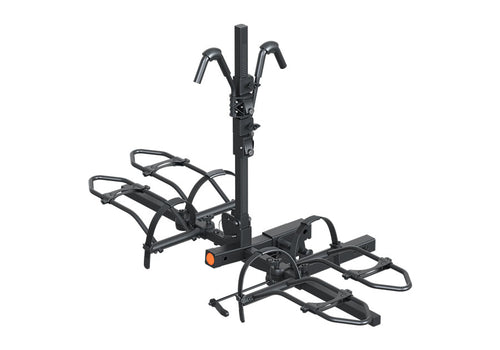
Bike rack matched to the bike’s weight and dimensions |
Loading ramp, additional tie-down straps |
Two-bike transport setup |
First Priority: A Helmet and Basic Safety Equipment
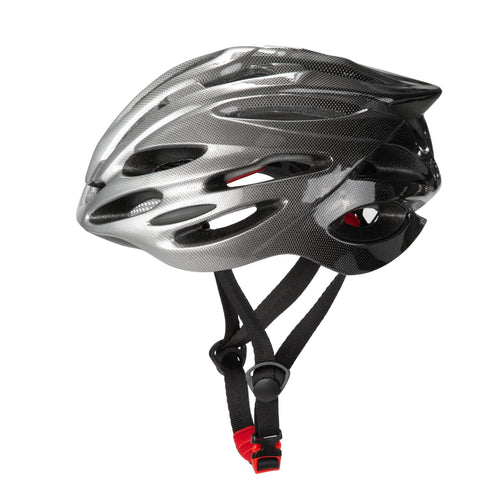
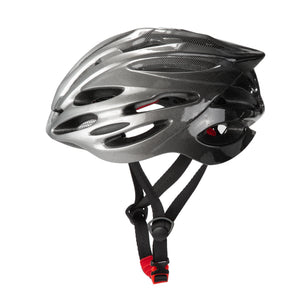
A properly fitting helmet should be at the top of any accessory list.
Do not choose a helmet based only on appearance, price, or promotional photos. Bicycle helmets sold to riders in the United States should comply with the mandatory U.S. Consumer Product Safety Commission bicycle helmet standard and include the appropriate compliance label.
The helmet must also fit the rider’s head correctly. Once secured, it should not shift noticeably forward or backward, and the straps should not be excessively loose.
The CPSC standard evaluates impact attenuation, positional stability, retention systems, and field of vision. It also requires proper fitting instructions and compliance labeling. After a significant impact, the internal structure of a helmet may be damaged even if the outer shell does not appear cracked. Follow the manufacturer’s instructions to inspect or replace it.
Riders who travel at night, early in the morning, in rainy weather, or under low-visibility conditions should also inspect the bike’s headlight, taillight, and reflectors. A white front light, red rear light, and reflective gear can improve visibility. Before every ride, confirm that critical components such as the brakes are working properly.
A Good Lock Is Worth the Investment, but It Should Match the Parking Risk
Electric bikes are generally heavier and more valuable than conventional bicycles. Their batteries, displays, and other components may also attract theft. Effective theft prevention therefore depends on more than whether the bike is locked. Riders should consider the lock’s resistance to cutting or prying, the length of time the bike will be left unattended, and the theft risk in the surrounding area.
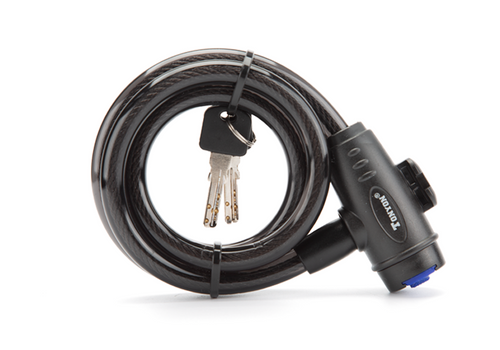
Cable locks are lightweight, easy to store, and flexible enough to secure helmets, front wheels, or other removable accessories. They are most appropriate for short stops or as a secondary locking method. When the bike remains within sight or is parked in a relatively low-risk location, the Puckipuppy Bike Cable Lock can serve as a convenient basic securing option.
When parking near stores, offices, or public bike racks, a quality U-lock or heavy-duty chain lock is generally a safer choice. Secure the frame to a solid object that cannot be easily moved or dismantled. Whenever possible, pass the lock through the main frame instead of locking only the front wheel, which may be quickly removed.
For longer stops or high-traffic locations, use two different types of locks. For example, secure the frame with a rigid U-lock and use a flexible cable lock through the front wheel, rear wheel, or saddle rails. Because these locks rely on different structures and attack points, using both can make it harder to remove individual wheels or accessories.
In this setup, the cable lock acts as a second layer of protection rather than the only lock used in a high-risk area.
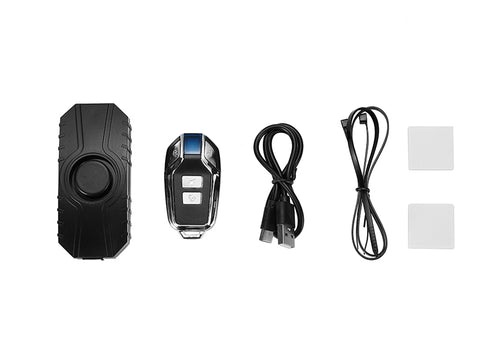
Removable batteries, displays, and other valuable accessories should also be taken with you or secured separately when recommended by the bike manufacturer. Alarms and tracking devices may provide theft alerts or help locate a bike, but they should supplement—not replace—a physical lock and a secure parking location.

Is a Rearview Mirror Worth Buying?
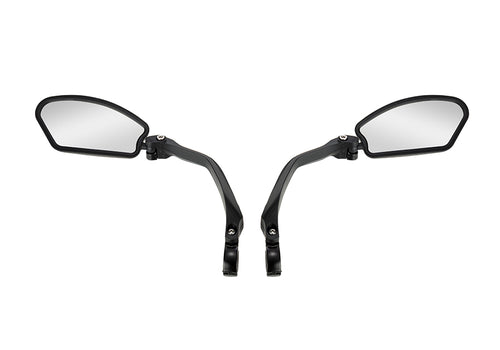
A rearview mirror is not essential for every rider, but it can be especially useful for urban commuters, riders who frequently pass through intersections, people who need to merge with traffic, and anyone riding a heavy fat-tire e-bike.
Electric bikes can travel relatively quickly under motor assistance, and some models are substantially heavier than conventional bikes. When a rider turns to look behind, the movement can cause the arms and handlebar to shift slightly.
A properly positioned mirror with a stable field of view can help the rider identify approaching vehicles earlier and reduce the need for frequent, exaggerated head turns.
Puckipuppy offers a Rearview Mirror that may be used as a commuting accessory. Before purchasing, check the available handlebar space and make sure the mirror will not interfere with a phone mount, display, brake lever, or control buttons.
Why Do Rainy-Weather Commuters Need Fenders?
Fenders do not automatically make an electric bike suitable for all-weather riding, but they can significantly reduce the amount of water, mud, and road debris thrown onto the rider’s back, pant legs, battery area, and drivetrain.
Fat-tire bikes have a wider tire contact area and may throw more water and mud when crossing wet pavement or shallow puddles. For this reason, riders should not choose fenders based on wheel diameter alone. Tire width, mounting points, fork clearance, and the distance between the fender and the tire surface must also be considered.
A fender that is too narrow will provide limited coverage. One mounted too close to the tire may rub once mud, sand, or small stones collect on the tread.
After installation, rotate the wheel and compress the suspension to make sure there is adequate clearance throughout the full range of movement.
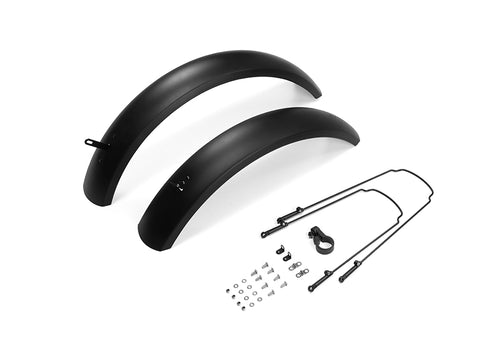
For frequent commuters and riders who regularly travel after rain or through muddy areas, fenders are often a practical, high-use accessory. Puckipuppy also offers Bike Fenders for riders who want additional protection from water, mud, and road debris. Because tire sizes and frame designs vary between models, always confirm compatibility with your specific e-bike before purchasing.

How Should You Choose Between a Rear Rack, Basket, and Panniers?
One of the first practical problems many riders encounter is not insufficient range, but the lack of a convenient place to carry everyday items.
A backpack works for occasional short trips, but during hot weather or longer rides, it can increase shoulder pressure and cause additional sweating. Moving the load from the rider’s body to the bike can create a more relaxed riding position, but the storage system should match the type and weight of the items being carried.
Front Baskets: Best for Lightweight, Easy-to-Reach Items
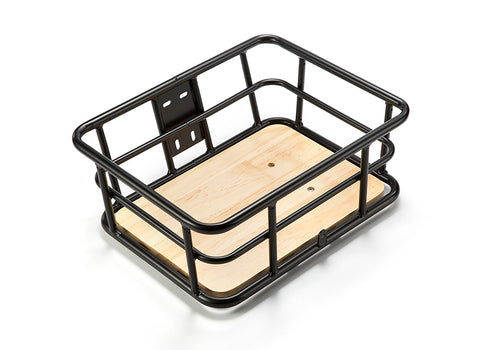
A front basket works well for small grocery bags, a jacket, or a personal bag. Its main advantage is that the contents remain visible and easy to access.
However, weight at the front of the bike directly affects steering. An overloaded basket or items shifting from side to side can make low-speed turns and stops feel less stable. Heavier cargo is generally better carried toward the rear of the bike.
Rear Racks: A Foundation for Carrying Cargo
A rear rack is not a complete storage system on its own. It provides a mounting platform for panniers, trunk bags, baskets, or cargo boxes.
Before purchasing a rack, confirm:
- Whether the frame has the required mounting points
- Whether the rack will interfere with the fenders or taillight
- The rack’s rated weight capacity
- Whether the rack’s top width and tubing diameter fit the intended bags
- Whether the rider’s heels will contact side-mounted panniers while pedaling
The rear rack’s weight limit is not the same as the bike’s total payload limit. The combined weight of the rider, cargo, accessories, and any additional load must remain within the bike manufacturer’s maximum payload rating.
Waterproof Panniers: A Practical Choice for Commuting and Longer Rides
Riders who regularly carry a laptop, work clothes, rain gear, or groceries may benefit from panniers mounted on both sides of a rear rack.
Panniers reduce pressure on the rider’s back and place the cargo relatively low on the bike. Before purchasing, check whether the mounting clips are secure, whether the bag could enter the wheel, whether the rider’s heels may strike the bag, and whether the product is merely water-resistant or designed with a more complete waterproof construction.
The Puckipuppy Waterproof Pannier Bag uses high-density nylon with a TPU coating and is intended to protect belongings in rainy or damp conditions. It is most useful for riders who already have a compatible rear rack and regularly need to carry items while commuting or running errands.
Cargo Boxes: Best for Frequent, Secure Cargo Use
A cargo box can be useful for groceries, tools, or other items that benefit from a stable, enclosed storage space. Compared with a soft bag, a rigid box is less likely to lose its shape and is generally easier to clean.
However, the box itself adds weight and is mounted relatively far toward the rear. After loading heavier items, test how the bike starts, turns at low speed, and brakes. Avoid concentrating all of the weight at the outermost edge of the box.
Basic Repair Tools Are Among the Most Useful Accessories Riders Overlook
Many new riders purchase decorative and storage accessories before preparing even the most basic roadside repair kit.
A practical everyday tool kit may include:
- A multi-tool that matches the bike’s bolt and fastener sizes
- Tire levers
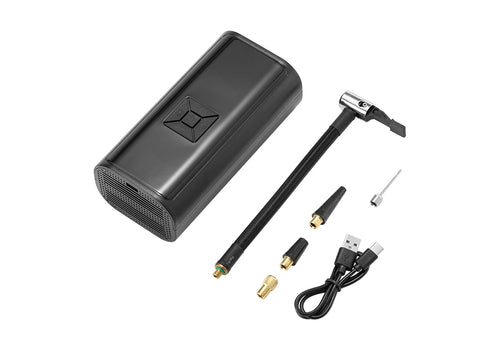
- A portable pump compatible with the tire valve
- Patch materials or a spare inner tube
- Small gloves and a cleaning cloth
- Zip ties for temporary roadside use
Not every rider needs to perform complex repairs on the roadside, but everyone should be able to check for loose components, restore tire pressure, and handle a minor flat.
Fat-tire e-bikes have a larger tire volume. A very small portable pump may take a long time to restore adequate pressure. When choosing a pump, check the valve type, supported pressure range, and inflation efficiency rather than judging it only by its compact size.

Is a Spare E-Bike Battery Worth Buying?
A spare battery is expensive and adds storage, charging, and transportation responsibilities. It should not be purchased simply because it might be useful someday.
A spare battery is more practical for riders whose daily mileage frequently approaches the bike’s real-world range limit, whose routes do not offer reliable charging options, or who need to complete several rides without enough time to recharge. Regular use of high assistance levels or the throttle, steep terrain, and heavier cargo can also increase energy consumption and make a spare battery more useful.
For short commutes where the bike can be charged indoors every day, one appropriately sized original battery is usually enough.
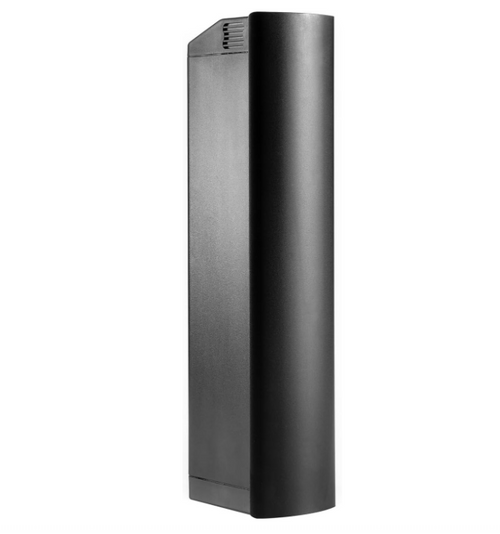
A replacement or spare battery cannot be selected based only on voltage and capacity. Even when two batteries are both labeled 48V, their connectors, mounting rails, communication systems, charge and discharge parameters, and battery management system settings may be different.
The charger must also be compatible with the battery and designed for the specific e-bike electrical system.
For this reason, riders should not buy a third-party battery or charger simply because it looks similar or has the same voltage. Puckipuppy provides model-specific batteries. Labrador Pro, Boxer, and certain other models use batteries designed for those systems, while models such as the Rottweiler and Husky Plus use different battery products.
Check Your Riding Position Before Replacing the Saddle
Discomfort in the hips, lower back, wrists, or knees may be related to several factors:
- The seat is too high or too low
- The saddle angle is incorrect
- The handlebar reach is unsuitable
- Too much body weight is resting on the hands
- Tire pressure is too high
- Suspension preload does not match the rider’s weight
- The bike size does not fit the rider
An extremely soft saddle may feel comfortable during a short test, but over a longer ride, excessive sinking and friction may actually increase discomfort.
A better approach is to adjust the seat height and angle first. Then choose a saddle based on sit-bone width, riding position, and typical ride duration.
A suspension seatpost can absorb some small vibrations from urban pavement, but it cannot replace frame suspension or correct a poorly fitting bike.
Before purchasing one, confirm the seatpost diameter, available insertion depth, supported rider weight, and the minimum saddle height after installation.
Taller riders should also pay close attention to the seatpost’s minimum insertion mark. Even if the post can physically be raised higher, it must not be extended beyond the manufacturer’s specified minimum insertion depth.
Use Extra Care When Choosing Pet Carriers and Family-Riding Accessories
Whether a pet transportation accessory is worth buying depends primarily on the pet’s size, the bike’s structure, and the rider’s ability to control the additional load.
When evaluating a small pet carrier, check:
- The rated weight capacity
- How it attaches to the frame or rack
- Whether the pet has adequate ventilation and space
- Whether it includes a restraint that prevents the pet from jumping out
- Whether the carrier blocks the bike’s lights
- Whether installation affects steering or braking
For larger pets, a front basket is generally not the best option. A rear trailer can provide a lower and more independent space, but it increases the turning radius and braking distance.
Puckipuppy offers a Pet Carrier for riders with a clear pet transportation need. Before use, confirm the pet’s weight, the bike’s total payload capacity, the carrier’s installation position, and compatibility with the specific model.

Which Accessories Can Wait Until Later?
More features do not necessarily mean a rider is better prepared.
The following accessories can usually wait until a specific need develops:
- Spare battery
- Large cargo box
- Pet trailer
- Advanced suspension seatpost
- Professional vehicle bike rack
- Large repair tool kit
- Additional high-output lighting system
Pre-Purchase Compatibility Checklist
|
Accessory |
What to Confirm Before Buying |
|
Helmet |
Safety standard, head size, retention system, correct fit |
|
Lock |
Parking risk, lock construction, length, securing location |
|
Rearview mirror |
Handlebar diameter, mounting space, stable field of view |
|
Phone mount |
Handlebar diameter, phone size, vibration resistance |
|
Fenders |
Wheel diameter, tire width, mounting points, suspension clearance |
|
Rear rack |
Frame mounts, weight capacity, tire and fender clearance |
|
Panniers |
Rack tube diameter, mounting clips, heel clearance, waterproof rating |
|
Seatpost |
Diameter, length, insertion depth, rider weight range |
|
Spare battery |
Voltage, connector, mounting rail, BMS, model compatibility |
|
Charger |
Battery model, output specifications, connector, manufacturer requirements |
|
Pet carrier |
Pet weight, mounting method, total bike payload |
|
Vehicle bike rack |
Bike weight, total rack capacity, tire width, wheelbase, model restrictions |
Choose Accessories That Match the Way You Ride
The accessories that are truly worth purchasing are not necessarily the most expensive or feature-rich. They are the products that consistently solve real safety, parking, cargo, or maintenance problems.
For most riders, a helmet, a suitable lock, and basic repair tools should come first. Frequent commuters can then add a mirror, fenders, rear rack, and waterproof panniers. Long-distance riders may consider a spare battery based on their actual range and route conditions. Cargo, pet transportation, and vehicle transport accessories should only be purchased after confirming weight limits and compatibility.
🚲Solve real problems first, then build out the bike gradually. Accessories that fit the bike, match the rider’s needs, and remain useful over time will make every ride safer and more convenient. Riders who are ready to complete their setup can explore the Puckipuppy accessories for compatible storage, safety, maintenance, and travel options.