















The right fat tire e-bike tire pressure depends on tire size, terrain, rider weight, and the manufacturer's recommended PSI range. Lower pressure can improve comfort and traction on rough or loose ground, while higher pressure often provides firmer handling and easier rolling on smooth pavement.
But how do you know whether to use 15, 20, or 25 PSI? And should a 20×4 fat tire use the same pressure as a 26×4?
This guide breaks down the differences and explains how to find a safe, practical tire pressure for your riding conditions.
What PSI Should a Fat Tire E-Bike Use?
There is no universal fat tire PSI for every electric bike. Even tires of the same width can have different pressure limits depending on their construction and intended use.
Always check the tire sidewall and your bike manufacturer's guidance before adjusting pressure. The table below shows how different riding conditions generally influence pressure selection.
|
Riding condition |
Pressure direction |
Main goal |
|
Smooth pavement |
Relatively higher |
Rolling efficiency |
|
Gravel and mixed roads |
Moderate |
Balance grip and comfort |
|
Dirt trails |
Relatively lower |
Traction and shock absorption |
|
Sand |
Lower, if permitted |
Flotation |
|
Snow |
Lower, if permitted |
Traction and flotation |
|
Heavy loads |
May require higher pressure |
Tire support |
Fat tires can operate at lower pressures than many narrow bicycle tires because their larger air volume provides more support. However, going too low can cause excessive tire flex, poor handling, or rim damage.

Fat tire e-bike PSI by tire size
Tire size affects air volume and handling, but it doesn't determine the correct pressure on its own. Two common sizes are 20×4 and 26×4 inches.
20×4 tire pressure
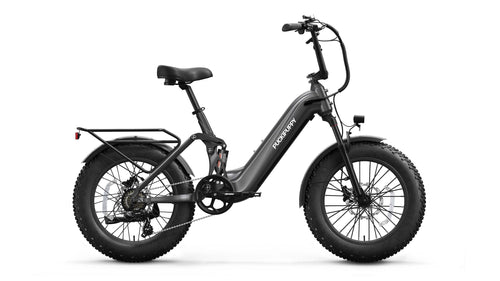
A 20×4 fat tire is commonly used on compact, folding, and moped-style electric bikes.
For everyday street riding, a relatively firmer setting within the approved range may improve stability and rolling efficiency. On gravel or uneven paths, slightly lower pressure can provide more comfort and grip.
Rider weight and cargo also matter. A heavily loaded compact e-bike may need more pressure than a lightly loaded one using the same tire.
26×4 tire pressure
A 26×4 fat tire is common on full-size all-terrain and off-road electric bikes.
These larger wheels are often used on pavement, gravel, and rough trails. A firmer setting can work well for commuting, while a modest pressure reduction may improve traction on uneven ground.
However, a 26×4 tire does not automatically require less pressure than a 20×4 tire. The appropriate PSI still depends on tire construction, total load, and manufacturer limits.
|
Feature |
20×4 fat tire |
26×4 fat tire |
|
Common bike type |
Compact or folding e-bike |
Full-size all-terrain e-bike |
|
Typical terrain |
Streets and mixed roads |
Pavement, gravel and trails |
|
Main considerations |
Load and handling |
Load, traction and terrain |
|
PSI selection |
Follow tire limits and riding conditions |
Follow tire limits and riding conditions |
15 vs. 20 vs. 25 vs. 30 PSI: What actually changes?
Small pressure adjustments can noticeably change how a 4-inch fat tire feels. Lower pressure generally increases tire flexibility, while higher pressure creates a firmer ride.
|
PSI |
Ride feel |
Traction |
Best suited for |
|
15 PSI |
Softer |
Can improve loose-surface grip |
Rougher terrain, if permitted |
|
20 PSI |
Balanced |
Moderate to good |
Mixed riding, if permitted |
|
25 PSI |
Firmer |
Less compliance on loose ground |
Pavement-focused riding, if permitted |
|
30 PSI |
Very firm |
Less cushioning |
Road use only if approved |
Is 20 PSI good for a fat tire e-bike?
It can be a reasonable setting for some 4-inch fat tires, especially on mixed routes, but only when it falls within the approved range.
Similarly, 30 PSI may be suitable for certain tires but exceeds the maximum pressure of others. Never choose a number without checking the specific tire's limits.
Best Fat Tire PSI for Different Terrain
The ideal fat tire pressure for different terrain depends on how much traction, cushioning, and tire support the surface requires.
Fat tire PSI for pavement
For smooth roads, relatively higher pressure within the permitted range can reduce tire deformation and improve rolling efficiency.
Avoid automatically inflating to the maximum. Rough pavement and potholes may still require some cushioning for comfortable, controlled riding.
Fat tire pressure for gravel and dirt trails
Gravel and dirt trails generally benefit from a slightly softer setup. Lower pressure can help the tire conform to loose stones, roots, and uneven ground.
However, excessive tire flex can make steering feel vague and increase the risk of rim strikes. Keep enough pressure to support the bike through turns and impacts.
Fat tire pressure for sand
Soft sand often benefits from lower pressure because a larger contact patch helps the tire float instead of digging in.
Only reduce pressure as far as your tire and wheel setup permits. Extremely low pressures used on specialized fat bikes may not be suitable for heavier electric bikes.
Fat tire pressure for snow
Lower fat tire pressure for snow can improve flotation on soft surfaces. Packed snow and ice behave differently, however, and lower PSI alone cannot guarantee traction.
Check pressure after the tires have cooled outdoors, since cold temperatures can reduce the measured PSI.
Fat tire pressure for mixed terrain
For routes combining pavement, gravel, and trails, a moderate setting is often the most practical compromise.
Rather than changing pressure for every surface, choose a setting that provides adequate support for the roughest sections while remaining comfortable on paved roads.

How Rider Weight and Cargo Affect Fat Tire Pressure?
The best fat tire pressure by rider weight depends on the total load the tires must support.
Heavier riders generally create more tire compression at the same PSI. Additional cargo, such as camping equipment or fishing gear, can increase that load further.
When adjusting fat tire pressure for heavy riders, consider:
-
Rider weight: More weight may require additional pressure to prevent excessive tire flex.
-
Bike weight: Electric bikes are generally heavier than conventional bicycles.
-
Cargo: Rear racks and loaded bags can increase pressure requirements at the rear wheel.
-
Terrain: Rocks, potholes, and rough trails require enough tire support to reduce rim-strike risk.
Always respect the bike's maximum load capacity and tire load ratings. Higher PSI does not increase either limit.
Should Front and Rear Fat Tires Use the Same PSI?
Not necessarily. The rear tire often supports more weight, especially when carrying cargo.
A slightly higher rear tire pressure may provide better support, while a somewhat lower front pressure can improve comfort and grip.
The correct difference depends on weight distribution and manufacturer guidance, rather than a fixed PSI rule.
How to Find the Right PSI for Your Fat Tire E-Bike
- Check the tire sidewall. Find the approved pressure limits and follow any additional instructions from the bike or wheel manufacturer.
- Consider your terrain. Use a relatively firmer setup for smooth pavement and a softer one for rough or loose surfaces, where permitted.
- Account for rider weight and cargo. Heavier loads generally need more tire support.
- Adjust gradually. Small changes of around 1–2 PSI can help you compare ride feel, provided every setting remains within the permitted range.
- Test front and rear separately. Pay attention to steering, comfort, tire flex, and stability.
Signs Your Fat Tire Pressure Is Too High or Too Low?
|
Tire condition |
Common signs |
|
Pressure may be too high |
Harsh ride, excessive bouncing, reduced loose-surface grip |
|
Pressure may be too low |
Sluggish rolling, tire squirm, excessive compression or rim strikes |
These signs can also result from tire damage, suspension settings, or road conditions. If unusual handling continues, inspect the bike rather than repeatedly changing PSI.
Does Tire Pressure Affect E-Bike Range?
Yes. Fat tire pressure can affect e-bike range because tire deformation influences rolling resistance.
On smooth pavement, underinflated tires may create additional drag, requiring more energy to maintain speed. Slightly increasing pressure within the approved range can sometimes improve efficiency.
On rough trails, however, overly firm tires may bounce over obstacles rather than rolling smoothly.
Battery range also depends on speed, pedal-assist level, rider weight, wind, and temperature. Proper tire pressure helps, but it is only one factor.
When Should You Check Fat Tire E-Bike Pressure?
Check your tires before longer rides, after extended storage, or whenever the bike starts feeling unusually soft or unstable.
Temperature changes also matter. Cold weather can lower tire pressure, while warmer conditions can raise it.
Measure pressure with an accurate gauge, ideally when the tires are at the temperature in which you'll ride. Recheck after significant temperature changes or when carrying extra cargo.
If a tire repeatedly loses pressure, inspect it for punctures, valve leaks, or other damage.
Fat Tire Pressure Examples for Different Riding Setups
The same tire size can require different pressure adjustments depending on how the electric bike is used.
Puckipuppy Labrador Pro ST: For heavier riders and mixed terrain
The Puckipuppy Labrador Pro ST features 26×4-inch fat tires, full suspension, and a stated maximum load capacity of 400 lb.
For heavier riders or those carrying additional equipment, maintaining adequate tire support is especially important. Mixed pavement and trail riding calls for a pressure that limits excessive flex without making the ride unnecessarily harsh.
Labrador Pro ST Ebike
Puckipuppy Bulldog Pro: For rough trails and outdoor gear
The Puckipuppy Bulldog Pro also uses 26×4-inch fat tires, but its outdoor and hunting applications introduce different riding demands.
Lower pressure may help improve grip on uneven trails, while additional hunting or camping equipment can increase the need for rear tire support.
In both cases, the correct PSI depends on actual riding load, terrain, and the tire manufacturer's limits.
Bulldog Pro Ebike
Find the Right Fat Tire Pressure for Your Ride
The best fat tire e-bike tire pressure is not one fixed number. It comes from balancing tire size, terrain, rider weight, and cargo within the manufacturer's approved range.
Start with a safe setting, make small adjustments, and use handling, comfort, and tire support as your guide.
Explore Puckipuppy's electric bikes to compare models built for everyday roads, mixed terrain, and outdoor adventures.