














Yes, you can ride an e-bike in the rain if the bike has adequate water resistance and the roads are safe. Most e-bikes are water-resistant, not fully waterproof, so normal rain is usually fine, but deep puddles, flooded roads, and heavy water exposure should be avoided.
Before riding, check the bike’s IP rating, make sure the battery is secure, and keep the charging port covered. Wet roads also reduce traction and increase braking distance, so ride more carefully than you would in dry conditions.
How Water-Resistant Is an E-Bike?
Most e-bikes are built to handle rain and road spray, but they are not completely waterproof. How much water an e-bike can handle depends on its IP rating and the protection of key electrical components such as the battery, motor, display, and connectors.
Are E-Bikes Waterproof or Water-Resistant?
Most e-bikes are water-resistant rather than waterproof. That means they can usually handle normal rain, but they should not be submerged or ridden through deep water.
What Does an E-Bike IP Rating Mean?
An e-bike IP rating shows how well the bike or a specific component is protected against water.
|
IP Rating |
Water Protection |
|
IPX4 |
Protected against splashing water |
|
IPX5 |
Protected against low-pressure water jets |
|
IPX6 |
Protected against stronger water jets |
|
IPX7 |
Protected against temporary immersion under specific test conditions |
Always check what the rating applies to. An IPX7 battery does not mean the entire e-bike is rated IPX7.
What Parts of an E-Bike Should Not Get Wet?
Pay extra attention to the charging port, battery contacts, electrical connectors, controller connections, and damaged or exposed wiring. Normal rain on a properly sealed e-bike is different from water getting inside these electrical areas.

How Much Rain Is Too Much for an E-Bike?
There is no universal rainfall limit for e-bikes. An IP rating describes how a bike or component performs under specific water-exposure tests; it does not translate into a simple rule such as “safe for 30 minutes of heavy rain.” Light rain is generally less demanding, while heavy rain increases the risk of poor visibility, reduced traction, longer braking distances, and standing water.
A better way to decide whether to keep riding is to check three things: your bike’s water-resistance rating, the amount of standing water on the road, and whether visibility and traction are still good enough for safe riding.
Can You Ride an E-Bike in Heavy Rain?
A properly rated e-bike may be able to handle heavy rain, but the bike’s IP rating is only part of the decision. Heavy rain can reduce visibility, increase braking distance, wash debris onto the road, and create standing water around curbs, drains, and low points.
If rain becomes heavy enough that you cannot clearly see the road surface, braking feels noticeably less predictable, or water begins covering sections of the roadway, it is time to stop rather than rely on the bike’s water-resistance rating.
Can You Ride an E-Bike Through Puddles?
Occasional road spray and shallow surface water are different from submersion. For example, an IPX6 rating covers powerful water jets, but it does not mean the bike is designed to have its motor, battery connections, controller, or other electrical components submerged.
Avoid any puddle when you cannot see the bottom or judge its depth. Never assume that a high IP rating makes deep standing water safe to ride through.
When Should You Avoid Riding?
Skip the ride or stop riding when:
- water is deep enough that electrical components could be submerged;
- the road is flooded or the depth of standing water is unknown;
- visibility is too poor to clearly see traffic, road markings, and surface hazards;
- braking or tire grip has noticeably deteriorated;
- electrical connectors, seals, wiring, or battery covers are already damaged.
The key distinction is simple: an e-bike may be designed for rain, but that does not make it designed for flooding or submersion.
How to Ride an E-Bike Safely on Wet Roads
Wet pavement reduces available traction, so braking, cornering, and acceleration should all be smoother than in dry conditions. This matters even more on an e-bike because motor torque can cause the rear tire to lose grip if power is applied too abruptly.
Brake Earlier and More Gradually
Start braking sooner and apply the brakes progressively rather than grabbing them suddenly. Wet tires have less grip available for braking, especially when the bike is also turning.
Avoid hard braking on painted lines, metal surfaces, or loose debris. If possible, slow down before reaching them.
Reduce Speed Before Turns
Set your speed before entering a corner, then keep steering and power inputs smooth through the turn. Avoid sharp steering, sudden braking, or hard acceleration while the bike is leaned over.
If the rear tire begins to feel unstable, reduce motor assistance and avoid sudden throttle input.
Watch for Low-Traction Surfaces
Some surfaces become especially slippery when wet, including:
- painted bike-lane markings and crosswalks;
- manhole covers and other metal surfaces;
- wet leaves, mud, and loose gravel;
- railroad tracks.
Cross wet railroad tracks as close to a right angle as practical, and avoid braking or turning sharply while the tires are on the rails.
Make Yourself Easier to See
Rain can reduce visibility for both riders and drivers. Use front and rear lights, even during the day, and avoid riding so fast that you cannot react to hazards hidden by spray or poor visibility.
The goal in wet conditions is not simply to ride slower, but to leave more room for every input: more braking distance, smoother acceleration, and more time to react.

How Do You Protect an E-Bike Before Riding in the Rain?
A quick pre-ride check can prevent most avoidable water-related problems. Focus on the battery, charging port, tires, brakes, and any exposed electrical connections before heading out.
How Do You Protect an E-Bike Battery From Rain?
Make sure the battery is fully seated and locked into place, and close the charging-port cover before riding. Check the battery contacts, seals, and surrounding area for damage, dirt, or gaps that could allow water in.
Do not wrap the entire battery in plastic or another airtight material unless the manufacturer specifically recommends it. Improvised covers can trap moisture or interfere with heat dissipation.
Check the Tires and Brakes
Wet roads reduce traction, so check tire pressure, tread condition, and brake response before riding. Worn tires or weak brakes become a bigger problem when pavement is slick.
Use Fenders for Regular Wet-Weather Riding
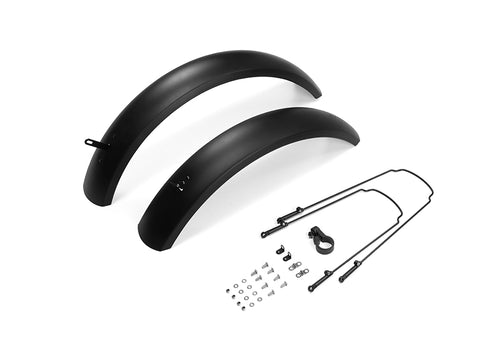
Fenders do not make an e-bike waterproof, but they can reduce the amount of water, mud, and road grit thrown onto the rider, frame, drivetrain, and electrical areas. For riders who commute in wet weather regularly, they are a practical addition.
What Should You Do After Riding an E-Bike in the Rain?
Getting caught in the rain does not automatically mean your e-bike is damaged. After the ride, the priority is to remove surface moisture, check the electrical areas, and let the bike dry before charging.
What Happens If Your E-Bike Gets Rained On?
For normal rain exposure, wipe down the frame and inspect the battery, charging port, display, and visible electrical connectors. Water on the outside of sealed components is different from water getting inside a connector or battery interface.
If you see water inside an electrical connection, notice damaged seals or wiring, or the bike begins showing unusual electrical behavior, stop using it until the affected area has been properly inspected.
Dry the Battery and Charging Area
Pay particular attention to:
- the charging port and its cover;
- battery contacts and mounting area;
- exposed electrical connectors;
- the display and control buttons.
Do not use compressed air or high-pressure water to clear moisture from electrical areas. High-pressure water can force moisture into sensitive components.
Check the Drivetrain
Rainwater can leave dirt and road grit on the chain, cassette, and derailleur. Wipe the drivetrain clean and dry, then reapply bicycle chain lubricant when needed, especially after a long or dirty wet-weather ride.
When Can You Charge an E-Bike After Rain?
Do not use a fixed waiting time such as two or four hours. Charge the battery only after the battery, charging port, connectors, and surrounding area are dry.
Charging should also be done in a dry indoor location with the correct charger supplied or approved for the bike.
Can You Leave an E-Bike Outside in the Rain?
An e-bike can usually handle short-term rain exposure if it is designed for wet conditions, but leaving it outside in the rain for hours or days is different from riding through a rain shower.
Extended exposure to moisture can increase the risk of corrosion around the chain, battery contacts, connectors, bolts, and other metal parts. Water can also work its way into damaged seals or covers over time.
If an e-bike has to stay outside temporarily:
- keep it under a roof or waterproof bike cover when possible;
- make sure the battery and charging-port covers are fully closed;
- avoid parking where water can pool around the bike;
- bring a removable battery indoors if the manufacturer recommends it;
- dry and inspect the bike after prolonged rain exposure.
For regular storage, a garage, shed, or other dry covered space is the better option. Water resistance is designed to help an e-bike handle wet riding conditions, not continuous outdoor exposure.
Puckipuppy E-Bikes to Consider for Wet-Weather Riding
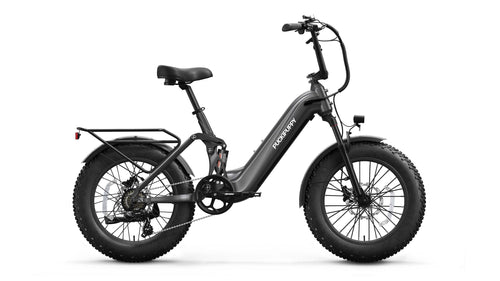
For riders who regularly deal with rain, wet pavement, gravel, or muddy paths, fat tire electric bikes can provide a larger tire contact patch and added stability on changing surfaces. Braking control, tire traction, and components that are better suited to repeated moisture exposure also matter.
Puckipuppy Labrador Pro
The Labrador Pro combines an IPX6 whole-bike rating with an IPX7-rated 48V 20Ah battery, so the bike and battery have clearly defined levels of water resistance. It also uses 180mm hydraulic disc brakes, 26" × 4" fat tires, and a corrosion-resistant chain—all useful features for riders who regularly encounter wet roads and changing outdoor conditions.
Wet-weather relevant specs:
- Whole bike: IPX6
- Battery: IPX7. 48V 20Ah
- Brakes: 180mm hydraulic disc brakes
- Tires: 26" × 4" fat tires
- Chain: Corrosion-resistant
Labrador Pro
Puckipuppy GoldenR Pro
The GoldenR Pro also carries an IPX6 whole-bike rating and an IPX7-rated 48V 20Ah battery. For wet or loose surfaces, it adds 180mm hydraulic disc brakes, 26" × 4" all-terrain fat tires, and a corrosion-resistant chain. These features make it better suited to riders who combine wet-weather riding with gravel, dirt roads, or rougher outdoor terrain.
Wet-weather relevant specs:
- Whole bike: IPX6
- Battery: IPX7. 48V 20Ah
- Brakes: 180mm hydraulic disc brakes
- Tires: 26" × 4" all-terrain fat tires
- Chain: Corrosion-resistant
GoldenR Pro
These specifications help the bikes handle normal wet-weather riding, but they do not make either model fully waterproof. Deep standing water, flooded roads, and any situation that could submerge electrical components should still be avoided.
Ride Smart When the Roads Get Wet
You can ride an e-bike in the rain as long as the bike is built for wet conditions and the road remains safe. The key is knowing your bike’s water-resistance rating, avoiding deep or unknown standing water, and giving extra attention to braking, traction, battery protection, and post-ride drying.
Rain resistance does not mean an e-bike is waterproof. Flooded roads, submerged electrical components, and pressure washing can expose the bike to conditions well beyond normal wet-weather riding.
If rainy-day riding is part of your routine, choosing an e-bike with clearly rated water resistance, dependable hydraulic brakes, and tires suited to changing surfaces can make wet-weather rides easier to manage.
Explore Puckipuppy e-bikes built for everyday roads, outdoor terrain, and changing weather conditions.