














For most heavy e-bikes, a hitch-mounted platform rack is one of the most practical transport options. Before loading, check the bike’s transport weight, rack capacity, hitch and vehicle limits, and physical fit.
What Is the Best Way to Transport a Heavy E-Bike?
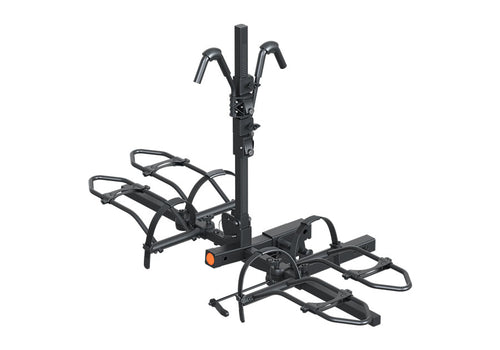
For most riders transporting a heavy e-bike by car, a hitch-mounted platform rack is the most practical option. It keeps the bike closer to the ground and generally requires less lifting than a roof rack, which becomes increasingly important as bike weight goes up.
Other transport methods can work, but each has different limits.
|
Transport method |
Best suited for |
Main limitation |
|
Hitch-mounted platform rack |
Heavy and fat-tire e-bikes |
Must match bike weight, dimensions, and hitch limits |
|
Inside an SUV or van |
Bikes that fit inside the vehicle |
Requires enough cargo space and secure positioning |
|
Pickup truck bed |
Riders with suitable trucks |
Loading height can still be difficult with a heavy bike |
|
Roof rack |
Lighter e-bikes |
Requires lifting the bike much higher |
|
Trunk-mounted rack |
Mainly lighter bicycles |
Many models are not designed for heavy e-bike loads |
Why a Hitch Rack Works Well for Heavy E-Bikes
A platform-style e-bike hitch rack supports the bike from below and keeps the loading height relatively low. That makes a noticeable difference with a 60, 70, or 80 lb e-bike that may be difficult to lift onto a roof rack.
Some hitch racks also support loading ramps, allowing the bike to be rolled onto the platform instead of lifted completely off the ground. This can make loading a heavy e-bike much easier, especially when one person is handling the bike.
For a heavy or fat-tire e-bike, however, rack capacity alone is not enough. The rack also needs to match the bike’s tire width, wheelbase, wheel size, frame design, fender setup, and hitch receiver requirements.

Can Your Hitch Rack Safely Carry Your E-Bike?
Before loading a heavy e-bike, check these four limits.
Check the bike’s transport weight
Use the bike’s actual transport weight after removing the battery, bags, baskets, or other removable items if required.
Check per-bike and total rack capacity
Each bike must stay within the rack’s per-bike limit, and all bikes together must stay within the total capacity.
For example, if a rack supports 80 lb per bike and 160 lb total, a 90 lb bike is still too heavy even if the combined load stays under 160 lb.
Check the hitch and vehicle limits
Include the weight of the rack, bike or bikes, and any rack-mounted accessories. The full setup must stay within the hitch and vehicle ratings.
Check vehicle compatibility
Make sure the rack is approved for the vehicle being used. A rack rated for a car or SUV may not be approved for an RV, camper, or travel trailer.
If all four checks pass, the next step is to confirm that the bike physically fits the rack.
Will Your E-Bike Actually Fit the Rack?
Weight capacity alone does not guarantee compatibility. A hitch rack also needs to match the e-bike’s tire width, wheel size, wheelbase, frame design, and fenders.
Check tire width and wheel size
For a fat-tire e-bike, make sure the wheel tray and straps can accommodate the tire width and wheel diameter. A 4-inch tire may not fit a standard bike rack.
Check the wheelbase
The e-bike’s wheelbase must stay within the rack’s supported range. This is especially important for long-frame, cargo, and larger fat-tire e-bikes.
Check the retention system
Make sure the rack’s hooks, arms, or straps work with the bike’s frame and fenders. Step-through frames, full-suspension bikes, and full fenders may require a compatible securing system or approved adapter.
A rack is suitable only when both the bike’s weight and physical dimensions match the rack’s limits.
A Heavy E-Bike and Hitch Rack Setup to Consider
A full-size fat-tire e-bike needs more than a rack with a high weight rating. The bike’s tire width, wheelbase, overall weight, and loading method all affect whether the setup will work in real use.
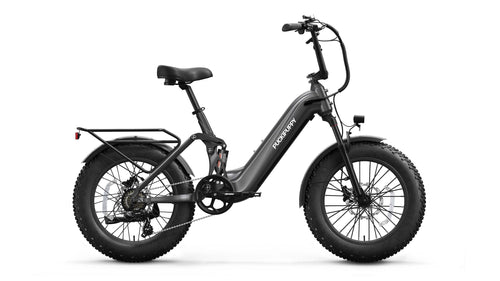
The Puckipuppy Labrador Pro is a good example. At 85.7 lb with 26" × 4" fat tires, it falls into the heavier end of the e-bike category, so transport requires a hitch rack that can handle both its weight and physical size.
Labrador Pro key specs:
- Motor: 750W, 1350W peak
- Battery: 48V 20Ah removable battery
- Range: Up to 80 miles
- Tires: 26" × 4" fat tires
- Bike weight: 85.7 lb
- Payload capacity: Up to 400 lb
- Brakes: Hydraulic disc brakes
- Suspension: Dual suspension
- Sensor: Torque + cadence sensor
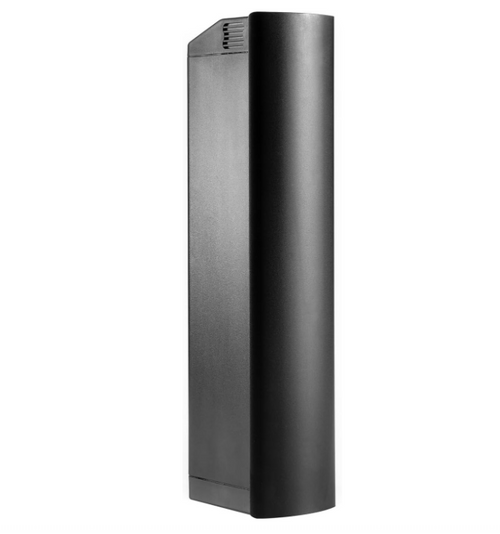
Its removable battery can also reduce the weight that needs to be handled during transport when battery removal is recommended.
For this type of full-size e-bike, the Puckipuppy Bike Hitch Rack provides a compatible transport option for approved Puckipuppy models. Its tire-width range accommodates the Labrador Pro’s 4-inch tires, making the bike-and-rack combination more practical for riders who regularly drive to trailheads, campgrounds, or other outdoor riding destinations.
Labrador Pro
What Should You Do Before Loading a Heavy E-Bike?
Before loading a heavy e-bike, reduce unnecessary weight and make sure the rack is ready.
Remove the battery and loose accessories
If recommended by the bike or rack manufacturer, remove the battery before loading. This reduces rack load and makes the bike easier to handle.
Also remove or secure panniers, bags, baskets, bottles, locks, and other loose accessories that could shift during transport.
Store the battery securely inside the vehicle, away from excessive heat, moisture, and impact. If removing it leaves electrical contacts exposed, protect them according to the bike manufacturer’s instructions.
Prepare the rack before handling the bike
Install the hitch rack fully, open the wheel straps, move hooks or retaining arms out of the way, and attach the loading ramp if needed.
Park on level ground and engage the parking brake so the rack is ready before the bike is moved into position.
How to Load a Heavy E-Bike Onto a Hitch Rack
Use a loading ramp when possible to reduce how much of the bike needs to be lifted. Make sure the ramp is securely attached and rated for the bike’s weight, then roll the bike up slowly and keep it straight until both wheels are fully seated in the trays.
If the bike is too heavy to lift or control safely, use a second person, a lower-loading rack, or another suitable loading setup.
How to Secure One or Two Heavy E-Bikes
Once the bike is in place, secure it only at the rack’s approved contact points. Make sure both wheels are fully seated, tighten the straps, hooks, or retaining arms, and keep hooks away from fenders or other non-structural parts.
For two e-bikes, follow the rack manufacturer’s loading order, leave enough clearance between the bikes, and secure each bike independently.
Heavy e-bike transport checklist
Before driving, confirm that the bike sits correctly in the rack, the tire and wheelbase fit, the frame and fenders work with the retention system, the battery and accessories are removed or secured as needed, and all straps and rack connections are tight.
Also check that two bikes do not contact each other and that required rear lights and the license plate remain visible.

What Should You Check During a Road Trip?
Recheck the setup after rough roads, sudden stops, or any unusual movement. If the rack or bike shifts, stop safely and inspect the straps, hooks, hitch connection, and bike-to-bike clearance.
After rain, inspect exposed electrical areas as recommended by the bike manufacturer. If the setup keeps loosening or shifting, correct the problem before continuing.
What if a Hitch Rack Is Not Suitable for Your E-Bike?
If the bike is too heavy, too long, or otherwise incompatible with the rack, use another transport method instead of exceeding the rack’s limits.
An SUV or van can work if the bike fits securely inside. A pickup bed can work with proper tie-down points. Roof and trunk racks should only be used if they are specifically rated for the bike’s weight, dimensions, and frame design.
Plan the transport before the ride
Transporting a heavy e-bike safely comes down to matching the bike with the right rack, hitch, and vehicle. Check the weight limits and physical fit first, then use a loading and securing method that keeps the bike under control from start to finish.
For Puckipuppy riders, a properly matched hitch rack can make it easier to bring a full-size or fat-tire e-bike to trailheads, campgrounds, and other riding destinations.
Explore compatible Puckipuppy e-bikes and transport accessories before your next trip.