














Last reviewed: September 2026. Access rules change. Verify with your state agency and the specific land manager before you ride.
A few years ago the math didn't work. For the price of a hunting e-bike you could buy a used ATV, and the ATV did more. That has changed. Budget bikes got cheaper and better, and for a lot of hunters they now cover most of what the four-wheeler was doing — at least on the way in.
But the bikes got easier to buy faster than the questions got easier to answer. Most of what goes wrong on the first season isn't the bike. It's the stuff nobody tells you about: the road you weren't allowed to ride, the bow that bounced out of the clamp, the battery that gave up in the cold, the rack that wasn't rated for the weight.
Here's what to work through before opening day.
1. Can you actually ride there?
Start here. Not with the bike.
There is no single answer, and anyone who gives you one is guessing. Access is decided in three separate layers, and each layer can override the one above it.
Layer 1 — Federal land
The Forest Service treats e-bikes as motor vehicles. That means they follow the Motor Vehicle Use Map (MVUM) for that forest: if a road or trail isn't designated open to motorized use, an e-bike isn't allowed on it, regardless of class. BLM and the Park Service generally handle e-bikes by class instead, but individual units set their own exceptions.
Note: the Forest Service opened a rulemaking process in 2026 that could change how this works. Nothing has changed yet — existing maps and designations stay in force until they're updated locally. Don't plan a season around a rule that hasn't landed.
Layer 2 — State law
States differ on wattage caps, whether throttle-only operation is allowed, and how the classes are defined. A bike that's fine in one state can be over the line in the next.
Layer 3 — The specific piece of ground
This is the layer people skip, and it's the one that gets them. Wildlife Management Areas, state forests, county parks and individual preserves all set their own rules — often stricter than the state.
A concrete example of how far apart these layers can sit: the federal threshold commonly cited is 750W, but hunters report Florida WMAs capping e-bikes at 500W and requiring pedal-assist only, no throttle. A bike that's legal on federal ground can be illegal on a state wildlife area a few counties away.
How to actually check
- Pull the MVUM for the national forest unit, or the equivalent travel map for the BLM field office.
- Read your state wildlife agency's regulation summary — the e-bike language is usually in the general regulations, not the species chapters.
- Call the office that manages the specific tract. Not the state headquarters. The office.
Be prepared for this to be frustrating. Hunters routinely report spending a week on this, emailing multiple wardens and getting no reply — or getting two different answers from two officers in the same state. That isn't you doing it wrong. That's the current state of the rules.
If you can't get a clear answer, the safe read is the most restrictive one.
2. Choosing the bike
Rated power vs. peak power. These are two different numbers and they get used interchangeably in marketing. Rated (or nominal) output is the continuous figure — it's the one regulations reference. Peak is what the motor can pull briefly under load, climbing or accelerating. When a rule says 750W, it means rated. Know both numbers for any bike you're considering, and know which one is printed where.
Range, discounted. Advertised range is a best case: flat ground, low assist, moderate temperature, lighter rider. Loaded with gear, on soft ground, in the cold, plan on substantially less. Work out your worst-case round trip — in, plus out, plus the detour you didn't plan — and make sure it fits inside a conservative estimate, not the number on the box.
Suspension. The argument for full suspension isn't comfort for its own sake. It's the two-track you're riding at 4 a.m. with a pack on, and the fact that everything strapped to the bike is taking the same hits your body is. Vibration is what loosens hardware and ejects gear.
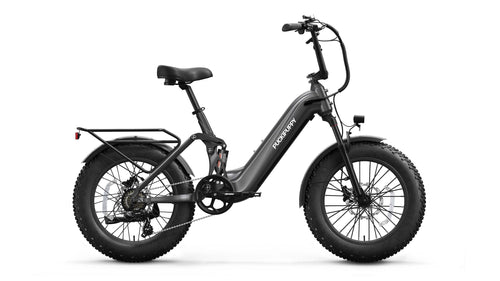
Weight — and be realistic about it. A fat-tire e-bike with a large battery typically lands in the 80–90 lb range. That number matters more than most buyers expect, and it shows up in two places: how you transport it (section 3) and whether you can physically manhandle it.
Be honest with yourself here. If your access requires lifting a bike over a locked forest gate by yourself, an 80+ lb bike is not going to work, even with the battery pulled. Some hunters ask this question specifically before buying, and it's a fair one. If that's your situation, you need a lighter bike — or a different plan.
Motor type. Mid-drive and hub-drive both have real followings in hunting circles. Mid-drive generally does better on sustained steep climbs; hub-drive is simpler, cheaper, and plenty of hunters run them successfully off-road. The strongest argument is situational, not absolute: if your access is genuinely steep, weight the climb hard. If it's flat farm country or graded two-track, it matters much less.

3. Getting it to the trailhead
This is where the weight number cashes out.
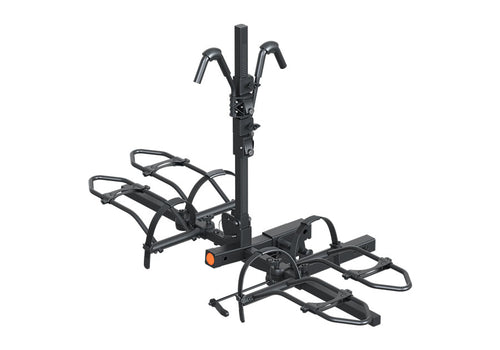
Hitch rack capacity. Many 2-inch hitch racks are rated around 80 lbs per bike. If your bike is 85 lbs, you're at or slightly over. Manufacturers are usually conservative with those ratings, and pulling the battery before loading takes several pounds off and protects the battery in transit. Still — check the rating on your specific rack, not a general figure.
If your bike is well over the limit, a dirt-bike style hitch carrier handles the weight better. The tradeoff is convenience and the need to actually know how to use tie-down straps.
The one nobody mentions: your license plate. A bike on a hitch rack can obscure your plate, which is a violation in most states. Enforcement is inconsistent — local officers often won't bother, but state troopers may. Worth a look before a long drive.
Truck bed option. A tailgate pad with the front wheel hanging out the back works well and skips the rack question entirely — if you're comfortable with the bike being visible and accessible at every gas stop.
4. Setting up the bike
Carrying your weapon
There's a real split here, and it's worth understanding both sides before you commit.
Mounted to the bike. Purpose-built bow and gun racks exist and plenty of hunters use them. The upside is obvious: your hands are free and your back is unloaded.
On your body. The counter-argument comes from experience: mounting the bow rigidly to the frame subjects it to every impact the bike takes, and a sling lets your body absorb what the suspension doesn't. Hunters who've been at this a while often go this route on rough ground specifically.
The failure mode to know about. One rider hit an unseen hole in a green road and the bow came out of the front clamp — bungee cord and all — nearly driving the bow tip into the ground at 15 mph. Whatever you use, assume it will be tested by an impact you didn't see coming, and check the retention before every ride.
If you shoot a takedown bow, transport gets considerably simpler.
Cargo
Split the job by what you need and when:
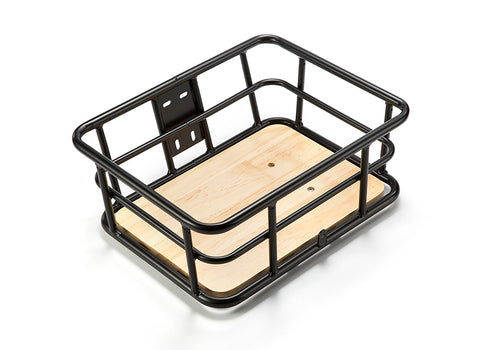
- Front basket or bar bag — things you want without dismounting: rangefinder, calls, phone, gloves.
- Rear rack and panniers — the heavy, bulky items. Weight low and centered rides better.
- Hard box or crate — anything that can't get wet or crushed.
A milk crate on the rear rack is a genuine standard in this crowd — cheap, tough, and easy to strap a stand to. If you run one, bolt it through rather than relying on clamps, and consider mounting a rear light to the crate itself since it will block the one on the frame.
Tires
Fat tires run far lower pressure than most people assume. Typical operating range is roughly 15–30 PSI, and many hunters run 10–20. Going above the tire's maximum is a reliable way to blow a tube — check the sidewall and don't guess.
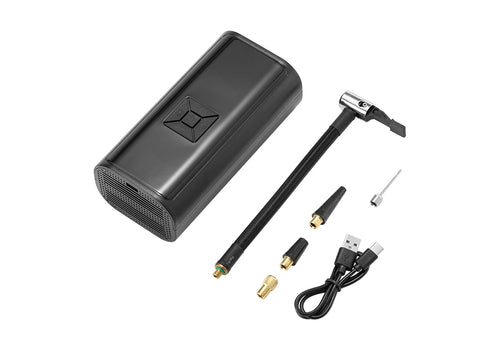
Flats are the most common way a hunt ends early. Tire inserts (Tannus Armour and similar) add cost and a little weight, but riders who run them in thorn and locust country consider it settled. At minimum, carry a pump and a spare tube, and know how to change one with a loaded bike.

5. Cold weather and all-day sitting
This is the section most hunting e-bike content skips, and it's the one that comes up most among riders who actually use them in season. Deer season is cold season.
What the cold actually does. Expect roughly a 20% loss in range and performance in cold conditions. Plan your round trip against the reduced number, not the summer one.
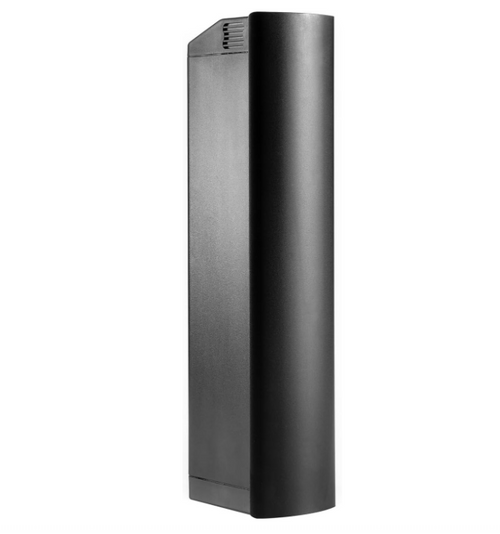
A common misconception, corrected. Storing a lithium battery in an unheated garage is generally fine — cold storage doesn't damage lithium the way it does lead-acid, and around 50% state of charge is a good storage level. The caution isn't about storage. It's about use: a battery that's been sitting in the cold for an extended period shouldn't be put under heavy load until it's warmed through.
Don't charge below freezing. Charging a lithium battery at sub-freezing temperatures can damage the cells. Charge it inside, at room temperature.
What hunters actually do:
- Store the bike and battery indoors overnight, bring the battery out warm.
- Charge before you leave and go — a freshly charged battery starts warm. Riders monitoring temperature in the high 20s to mid 30s F report the pack settling in the low-to-mid 40s F rather than dropping to ambient.
- Wrap the battery in an insulating sleeve or thermal cover in genuinely cold conditions.
- Some use hand warmers against the pack. Low-tech, and it works.
Snow and mud. Aggressive tread matters more than most spec sheets suggest. Riders report getting caught out in mud and wet holes on tires that looked capable but weren't. If you hunt where it gets sloppy, look hard at the tread, not just the width.
6. Once you're in
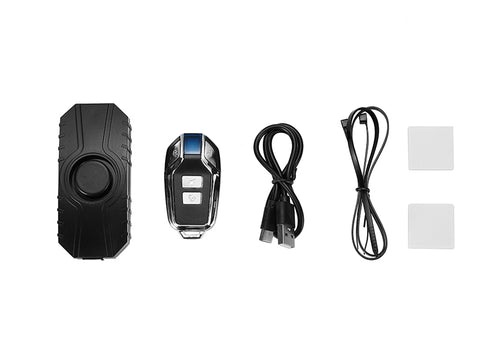
Your bike is going to sit unattended for hours, sometimes in the dark, sometimes on public ground with other people around.
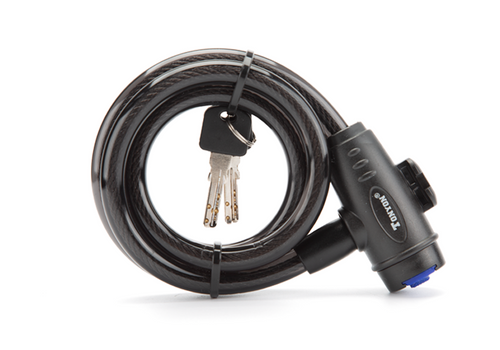
Lock it or hide it — decide in advance. Practices vary. Some hunters lock the frame to a tree on public land; some drag it into cover; a lot of people do neither and hope. Hiding it is more work than it sounds like at 5 a.m., which is why most people stop doing it.
Don't leave your key in the battery lock. It's the single most common way to lose it. If your battery uses a barrel lock, get in the habit of pulling the key and stowing it. Riders who've done this more than once have gone to locking carabiners for anything they can't afford to drop in the leaves.
Mark where you left it. Drop a pin. Coming back to a dark two-track at last light, everything looks the same.
7. Getting the animal out
Here's the honest part.
The e-bike is at its best on the way in. On the way out, loaded, it is the weakest link in your setup — and this is the single most consistent limitation experienced riders report. A bike that carries you and your gear in comfortably may not have the traction or the torque to move you and a whole animal on soft ground.
The answer the experienced crowd converges on is a cart or trailer that attaches to the bike. Hunters who've run this setup for years describe it as one of their best pieces of gear — used all season for stands and gear, not just for the pack-out.
Two practical notes:
- Purpose-built deer carts are expensive enough that a fair number of hunters build their own, often converting a used child carrier.
- General-purpose bike trailers commonly attach at the rear axle and aren't brand-specific, so you're not limited to whatever your bike's maker offers. Check your axle spec against the trailer's requirements before buying.
We don't currently make a trailer or a cart. If pack-out is the job you need solved, a third-party trailer is the route — and it's better that you know that now than after the season starts.

The short version
- Check access in three layers, most restrictive wins, before anything else.
- Know your bike's rated power, not just the peak.
- Plan range on the discounted number, then discount again for cold.
- Check your hitch rack's per-bike rating against your actual bike weight.
- Whatever holds your bow, assume it will get hit harder than you expect.
- Run fat tires at the pressure on the sidewall, not what feels firm.
- Charge warm, store at partial charge, never charge below freezing.
- Pull the battery key. Every time.
- Solve the pack-out separately. The bike alone doesn't do it.
An e-bike doesn't make you a better hunter and it isn't a way to get deeper than you've earned. What it does is close the gap between where you can park and where you want to be — quietly, without a plate, and through gates a truck can't pass.
That's a real advantage. It's just worth setting up properly first.