














Maintaining an electric bike is not just about wiping down the frame or adding lubricant to the chain. Compared with a regular bike, an electric bike has a battery, motor, display, controller, wiring, and a braking system that handles more weight and higher speeds. Because of that, tires, brakes, drivetrain components, and electrical connections all need more regular attention.
A proper electric bike inspection routine is not about waiting until something breaks. It is about making sure the bike is safe to ride before you head out, then checking for wear, loose parts, moisture, or unusual noises after the ride. This guide is designed for everyday commuting, weekend rides, recreational cycling, and light outdoor routes.

Pre-Ride Inspection: Make Sure Your E-Bike Is Ready to Go
A pre-ride inspection should focus on five key areas: tires, brakes, battery, control system, and structural fasteners. These checks usually take only a few minutes, but they can help reduce the risk of flats, brake issues, power loss, and loose accessories during the ride.
Tires and Tire Pressure
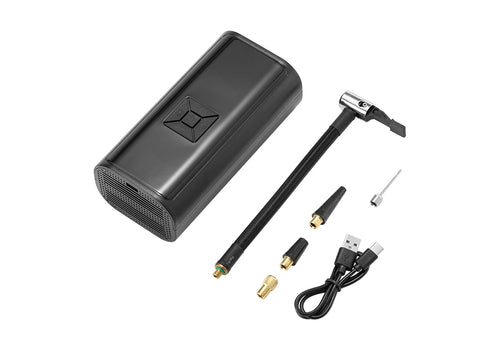
Before heading out, check whether the front and rear tires feel noticeably soft. Then inspect the tread and sidewalls for cracks, bulges, embedded objects, or unusual wear. Low tire pressure increases rolling resistance, reduces range, makes handling feel less responsive, and raises the risk of pinch flats or blowouts.
For frequent long-distance rides, it is better to use a tire pressure gauge instead of relying only on hand pressure. Tire pressure should follow the range printed on the tire sidewall or the brand’s recommendation, while also taking rider weight, cargo load, road conditions, and riding style into account. A heavier load or harder road surface usually calls for avoiding overly low pressure, while gravel, loose surfaces, or comfort-focused rides may allow for adjustment within a safe range.
Front and Rear Brakes
Brake checks should be done on both the front and rear brakes. While gently pushing the bike forward, squeeze each brake lever to make sure the wheel stops properly. The brake lever should feel firm and controlled. It should not feel too soft, too loose, or require being pulled all the way to the handlebar before the brake engages.
If you notice brake squealing, longer stopping distance, constant rotor rubbing, or abnormal brake lever return, the brake system may have worn pads, a slightly bent rotor, a misaligned caliper, or air in the hydraulic system. If the brakes feel abnormal, avoid longer rides or faster riding until the issue is checked.
Battery and Power Supply
Check whether the battery has enough charge for your planned route. This is especially important when riding uphill, carrying cargo, riding into headwinds, or riding in cold weather, since these conditions can drain the battery faster. For longer rides, leave enough battery for the return trip instead of calculating the range too tightly.
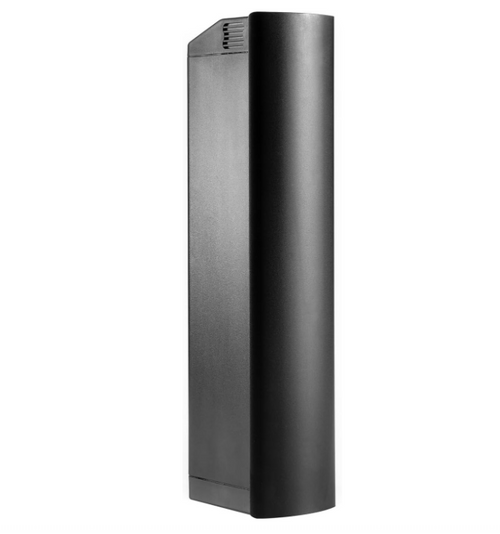
Also make sure the battery is properly seated and locked in place. A loose battery latch, rail, or lock can cause power interruptions, rattling, or poor electrical contact during the ride. Check that the charging port cover is closed as well to help keep dust, mud, and moisture away from the connector.
Display, Lights, and Control Buttons
After turning on the power, check that the display starts normally and that battery level, speed, pedal assist level, and other key information appear correctly. Test the pedal assist levels, throttle, buttons, headlight, taillight, and brake light to make sure they respond properly.
If the display shows an error code, pedal assist cuts in and out, buttons do not respond, or the lights flicker abnormally, check the power connection, wiring connectors, and battery status before riding.
Chain, Handlebar, Saddle, and Accessory Mounts
Inspect the chain for dryness, dirt buildup, rust, or unusual noise. Chain condition directly affects pedaling efficiency, drivetrain smoothness, and cassette life. If the chain is dirty, clean it before applying lubricant, and avoid adding too much oil directly onto a dirty chain.
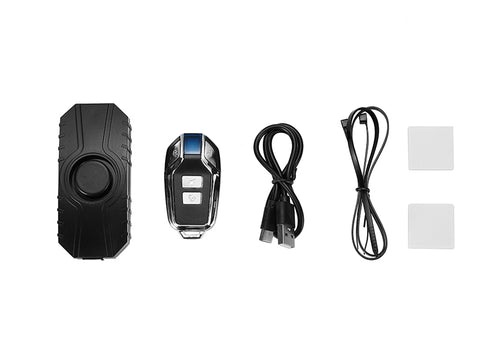
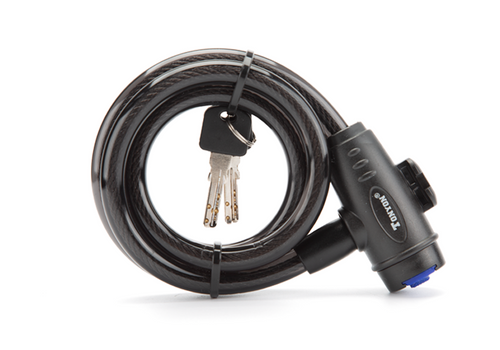
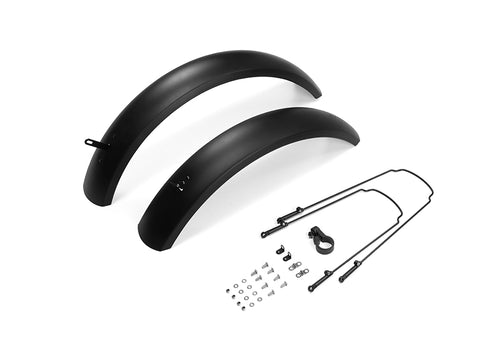
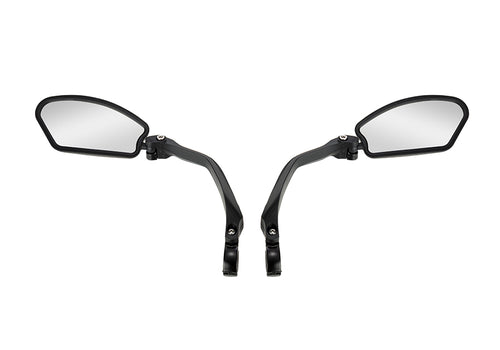
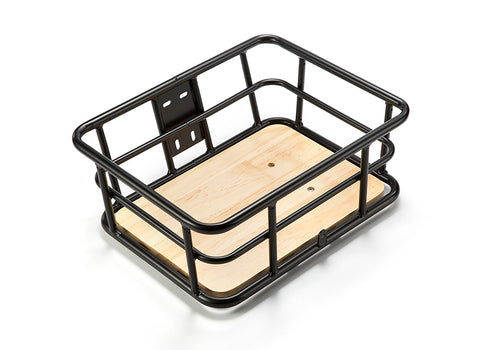
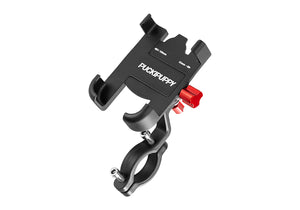
Also check the handlebar, saddle, kickstand, rear rack, basket, fenders, mirrors, phone mount, and pannier attachment points. Electric bikes tend to experience more vibration, so accessory bolts can loosen over time. Any cargo-carrying accessory should be securely fastened, and straps, loose clothing, or bag handles should be kept away from the wheels, chain, and brake area.

Post-Ride Maintenance: Spot Wear and Problems Early
Post-ride maintenance does not mean doing a full service after every ride. The goal is to check whether the bike has been exposed to mud, moisture, impact, or unusual load during the ride.
Clean the Frame and Key Areas
Use a dry or slightly damp cloth to wipe down the frame, tires, fenders, rack, and battery housing. If mud or grit stays on the chain, brake rotors, bolts, or rims for too long, it can speed up wear and create more noise over time.
When cleaning an electric bike, avoid spraying it directly with a high-pressure washer. High-pressure water can reach the display, electrical components, battery connectors, charging port, and wiring connections. After cleaning, dry the area around the battery, charging port, display, and wiring connectors. Make sure everything is dry before charging the bike.
Recheck the Tires and Brakes
After the ride, rotate both wheels and inspect the tread for glass, nails, small stones, or metal debris. Many slow leaks do not happen immediately. They often start after a sharp object works its way into the tire.
Also listen for constant rubbing around the brake area. Temporary brake noise from mud or grit can often be improved with cleaning, but if the noise continues, the rotor looks slightly warped, or the brake feel changes, check the brake pads, rotor, and caliper position.
Check the Chain and Lubricate When Needed
Rain, mud, and dusty routes can make the chain dirty much faster. After the ride, if the chain looks dry, dark, or gritty, wipe it clean first, then apply a small amount of chain lubricant.
The right method is to apply lubricant lightly, turn the pedals to distribute it across the chain, and then wipe off any excess oil. Too much lubricant attracts more dust and grit, which can speed up wear on the chain, cassette, and chainring.
Battery Care: A Key Factor in Range and Long-Term Performance
The battery is one of the most important components of an electric bike. In daily use, avoid draining the battery completely too often, and do not store it at a very low charge for long periods. If you will not be riding for an extended time, keep the battery partially charged and check its condition regularly.
Store the battery in a dry, well-ventilated area with a relatively stable temperature. Avoid leaving the battery in direct sunlight, inside a hot car, or in damp environments for long periods. When charging, use the original charger or a charger recommended by the brand, and make sure the charging port is clean and dry.
If the battery becomes unusually hot, swollen, water-damaged, unable to charge, or suddenly loses a significant amount of range, stop using it and contact professional support. Do not attempt to disassemble the battery yourself.

When Should You Get Professional Service?
Basic inspections can be done by the rider, but issues involving brakes, the battery, motor, electrical system, or wiring should be handled by a professional.
If you notice any of the following problems, have the bike inspected as soon as possible: brakes that feel unusually soft or lose stopping power, abnormal motor noise, sudden loss of pedal assist, display error codes, a battery that overheats or will not charge, noticeable wheel wobble, cracks in the frame, fork, or weld areas, or hydraulic brakes that need bleeding or brake fluid service.
The electrical system of an electric bike should not be taken apart casually. Incorrect repairs can make the problem worse and may also affect warranty coverage and riding safety.
Choosing an Easy-to-Maintain Electric Bike Also Matters
Building good inspection habits is important, but choosing a stable, practical electric bike that fits everyday use can also help reduce long-term maintenance issues.
For daily commuting and weekend recreational rides, riders should look for a bike with dependable stability, reliable braking performance, an easy-to-manage battery setup, and a comfortable riding position. If your route often includes gravel paths, grass, park trails, or light outdoor surfaces, a fat tire electric bike can offer better traction and a more stable ride. If easy mounting and dismounting matter more, a step-through ebike may be a better fit for daily use.
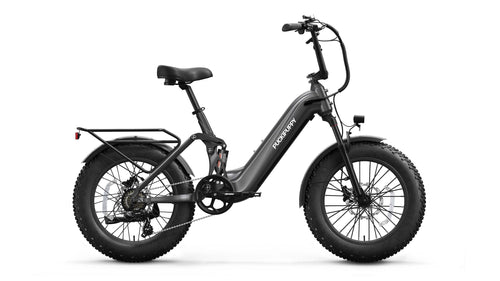
Take the Puckipuppy Beagle 2 ST as an example. It is designed for riders who want one bike for everyday rides, weekend outings, and light outdoor routes. Its step-through frame makes getting on and off easier, especially during frequent stops, short trips, or rides with cargo. Its fat tire design also helps provide a steadier feel on city streets, park paths, gravel roads, and grassy surfaces.
Beagle 2 ST Ebike
For riders looking for an electric bike for adults, this type of model offers more than comfort. It also makes the main inspection points easier to understand: tire condition, brake performance, battery installation, frame structure, and accessory mounting points can all be checked before and after a ride.
Of course, easy maintenance does not come from one single feature. It depends on whether the overall bike structure fits your riding habits and daily routes. When choosing an electric bike, riders should consider their route, height, cargo needs, and riding frequency instead of focusing only on one specification.
The best long-term approach is simple: build a habit of checking your bike before and after each ride, and choose an electric bike with a stable structure that fits your real riding needs. That combination helps make every ride safer, smoother, and more reliable over time.