














Many riders focus first on the maximum range listed on an electric bike product page, such as 60 miles, 75 miles, or 80 miles. But in real-world riding, actual range can be affected by pedal assist level, throttle use, rider weight, road conditions, tire pressure, temperature, cargo load, and overall battery health. That is why ebike battery maintenance matters. If you want your electric bike to ride farther, you should not only look at battery capacity. You also need to understand how to charge, store, use, and maintain the battery properly.
For Puckipuppy riders, good battery habits can help support more stable range for daily commuting, weekend rides, and outdoor routes. Whether you ride a commuter e-bike or a fat tire electric bike, proper charging, storage, and riding habits can help your battery perform more consistently over time.
Battery Life and Range Are Not the Same
Many riders confuse battery life with battery range, but they are two different things.
Battery life refers to how much capacity and stability a battery can maintain over several years of use. As charging cycles add up, the battery will gradually lose some capacity. This is a normal part of lithium battery aging.
Battery range refers to how far you can ride on a single charge. It depends not only on battery capacity, but also on riding mode, road conditions, tire pressure, temperature, and cargo load.
For example, a new battery may support up to 75 miles of range under ideal conditions. But if you often ride in the highest assist level, use the throttle frequently, ride with low tire pressure, carry extra weight, or ride in cold weather, your real-world range may be much lower than the listed number.

Understanding Battery Specs: V, Ah, and Wh
When many riders look at electric bike battery specs, they often focus on numbers like 48V, 15Ah, or 20Ah. However, a more useful way to understand battery capacity is to look at Wh, or watt-hours.
V stands for voltage. It refers to the operating platform of the battery system. Voltage can affect how the bike’s electrical system delivers power, but it does not tell you the full story of battery range by itself.
Ah stands for amp-hours. It is one way to describe battery capacity. A higher Ah number usually means more capacity, but the total energy can still be different depending on the battery voltage.
Wh stands for watt-hours. This is a better way to understand the total energy stored in a battery. The formula is:
V × Ah = Wh
For example, a 48V 15Ah battery is about 720Wh, while a 48V 20Ah battery is about 960Wh. When other conditions are similar, a higher Wh rating usually gives an e-bike a better foundation for longer range.
What Can Shorten Electric Bike Battery Life?
Electric bike batteries naturally age over time, but poor charging, storage, and riding habits can make that process happen faster. Common causes include regularly draining the battery to 0%, storing it fully charged for long periods, charging or storing it in extreme heat or cold, using an incompatible charger, letting the battery ports get wet or corroded, leaving the bike unused for a long time without checking the charge level, and riding with a battery that has been hit, dropped, or physically damaged.

How to Extend Electric Bike Battery Life
Do Not Drain the Battery to 0% Too Often
Many riders wait until the battery is completely empty before charging it again, but this is not the best habit for ebike battery maintenance. Frequent deep discharge can put extra stress on lithium batteries and may speed up capacity loss over time.
For daily riding, try not to let the battery drop below 20% too often. If you mainly use your e-bike for commuting, short trips, or relaxed weekend rides, keeping the charge roughly between 20% and 80% is a good everyday habit. Before a longer ride, charging to 100% is fine, but regularly riding until the battery is fully drained is not ideal.
Store the Battery at a Medium Charge Level
If you will not use your electric bike for several weeks or months, do not store the battery fully charged or completely empty. A better approach is to keep it at about 40% to 60% charge and store it in a cool, dry place with a stable temperature.
This is especially important during winter storage, travel, or seasonal riding breaks. Long-term full charge or very low charge can both place unnecessary stress on the battery.
Use the Original or Brand-Recommended Charger
A charger is not safe to use just because the plug fits. Different chargers may use different voltage, current, charging logic, and protection systems. Using the wrong charger can cause charging problems, overheating, failed protection, or battery safety risks.
If you are not sure which charger to use, how to remove the battery, or how to charge it properly, check the product instructions for your Puckipuppy model or contact official support. Do not replace the original charger with a third-party charger just because the connector looks similar.
Keep the Battery Away From Heat, Cold, and Moisture
Extreme temperatures and moisture can affect battery performance and long-term health. In summer, avoid leaving the battery in direct sunlight, a hot garage, or a parked car for long periods. In winter, avoid storing it in freezing conditions for an extended time.
Battery ports, charging ports, and connection terminals should also stay dry and clean. When cleaning your electric bike, avoid spraying high-pressure water directly at the battery port, display, controller, or motor connection areas. After riding in the rain, wipe down the battery case and charging port to prevent moisture from sitting on electrical parts.
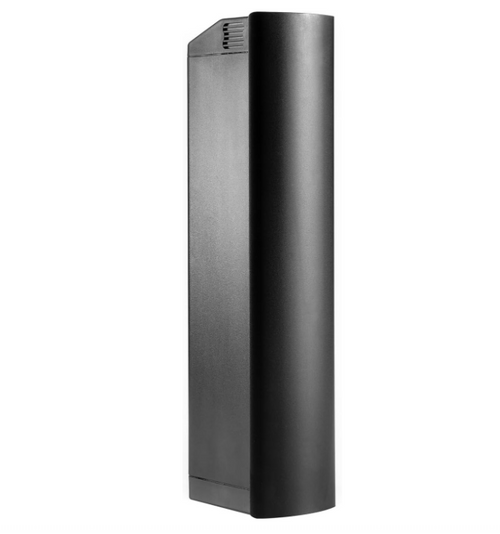
If your battery is removable, bring it indoors during cold weather or long-term storage. If you need to transport your e-bike on a car rack, removing the battery and storing it separately in a dry, secure place can also help protect the connectors from rain, dust, vibration, and temperature changes.
Check the Battery Regularly
Inspect the battery from time to time for swelling, cracks, unusual smells, deformation, excessive heat, loose ports, or corrosion. If you notice any of these signs, do not continue riding or charging the bike.
Do not open or repair the battery yourself. Contact the brand’s support team or a qualified professional for help.

Puckipuppy Electric Bike Battery Maintenance Tips
For Puckipuppy electric bike riders, daily ebike battery maintenance can follow a few simple rules: use the original or brand-recommended charger, avoid storing the battery fully charged or nearly empty for long periods, make sure the charging port is dry and clean before charging, and keep the battery at about 40% to 60% charge if the bike will not be used for a while. Whenever possible, store the battery in a cool, dry place with a stable temperature.
Different Puckipuppy models are designed for different riding needs, but the basic battery care principles are the same. Commuters need steady everyday range, while outdoor riders should leave more battery reserve and pay attention to temperature, tire pressure, and cargo load. With proper battery care, each ride can feel more consistent, and the battery can avoid unnecessary stress from poor charging or storage habits.
Why UL Certification Matters for Electric Bike Battery Safety
Battery safety is also part of ebike battery maintenance. UL 2849 focuses on the overall electrical system of an electric bike, including the battery, charger, and drive system, while UL 2271 focuses more on the battery system used in light electric vehicles. Some Puckipuppy models have been tested by SGS according to UL-related standards, and the certification information is shown on the product pages.
Even with UL-related certification, riders should still use the correct charger, avoid hot or humid charging areas, and store the battery properly.
How to Charge an Electric Bike Battery Properly
For short daily rides, you do not always need to fully recharge the battery if it still has plenty of power left. If you are planning a longer ride, a hilly route, or an outdoor trip the next day, charging to 100% ahead of time can help make sure you have enough range.
Before charging, turn off the electric bike and connect the charger according to the product instructions. Once the battery is fully charged, unplug it in time instead of leaving it connected to power for long periods.
Choose a dry, ventilated, room-temperature charging area on a flat surface, away from flammable materials. Avoid charging in damp spaces, direct sunlight, a hot enclosed car, on carpet, on a bed, or under clothing or other covers. If the charger becomes unusually hot, the charging time changes noticeably, the battery level jumps unexpectedly, or the plug smells strange, changes color, or feels loose, stop charging and check the battery and charger before using them again.

How to Get More Range From Every Charge
If you want your electric bike to ride farther, the key is not only battery size. It is also about using less energy for each mile.
On flat roads, use low or medium pedal assist when possible, and save the highest assist level for hills, headwinds, or starting from a stop. Try to use the throttle less often, pedal steadily, and avoid frequent hard acceleration or sudden braking.
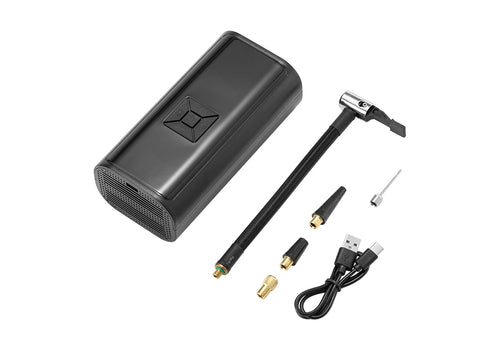
Tire pressure also affects ebike battery range. Low tire pressure increases rolling resistance, which makes the motor work harder and use more battery power. Before a longer ride, check the recommended PSI on the tire sidewall and adjust it based on your bike type and road conditions.
You can also improve range by reducing unnecessary cargo, choosing smoother routes, and keeping the chain and drivetrain clean. For longer rides, plan your route ahead of time and leave enough battery for hills, headwinds, detours, cold weather, and the return trip.
Battery and Range Tips for Different Riding Scenarios
Different riding scenarios use battery power in different ways. When choosing an electric bike, do not only look at the maximum range listed on the product page. Also consider your daily route, road conditions, cargo load, pedal assist habits, tire type, and battery safety information.
Daily Commuting: Focus on Comfort and Stable Range
For daily commuting, stable range, easy mounting, a comfortable riding position, and reliable braking matter most. City riding often includes traffic lights, frequent stops, rough pavement, and short bursts of acceleration, so using low or medium pedal assist with steady pedaling can help save battery power.
For example, Puckipuppy Samoyed is a good fit for city commuting and everyday rides. Its step-through frame makes it easier to get on and off, while the wide tires and front suspension help improve stability on city streets and light gravel paths. It has also been certified by SGS to UL 2271 and UL 2849. which is helpful for riders who care about comfort, steady range, and battery safety.
Samoyed Ebike
Long Rides and Outdoor Routes: Leave More Battery Reserve
For longer rides or outdoor routes, pay attention to battery capacity, Wh, route planning, tire pressure, and cargo weight. Long range is not just about the maximum mileage number. You also need enough battery for the return trip, headwinds, detours, cold weather, hills, and rougher surfaces.
For example, Puckipuppy Labrador Pro ST comes with a 48V 20Ah battery and a listed maximum range of up to 80 miles. Its fat tires, suspension, and torque plus cadence sensor can help improve stability and smoother assist on gravel roads, trails, grass, sand, or longer weekend routes.
Labrador Pro ST Ebike
Hills, Heavy Loads, and Winter Riding: Plan for Lower Real-World Range
Hills, headwinds, heavier cargo, and winter weather can all reduce real-world range. Climbing or carrying extra gear makes the motor work harder, while cold weather can affect lithium battery efficiency. In these situations, use higher assist when needed, but avoid keeping the motor under heavy load for long periods. Store the battery in a temperature-stable indoor space when possible, and always leave extra range in your ride plan.
Home Charging Safety: Consider UL Certification
If home charging safety, battery system reliability, and long-term stability are important to you, you can also browse Puckipuppy’s UL-certified electric bikes. This series includes models certified by SGS according to UL 2849 and UL 2271 standards, making it easier to compare range, power, riding needs, battery safety, and overall electrical system safety before choosing an e-bike.
Make Your Battery Last Longer and Ride With More Range Confidence
To make your electric bike battery last longer and ride farther on each charge, the key is not just choosing a bigger battery. It is using the battery properly. Good charging habits, avoiding deep discharge, storing the battery correctly, keeping it away from extreme temperatures, using the right charger, and keeping battery ports dry and clean can all support better long-term battery health.
Real-world range depends on battery capacity, pedal assist level, throttle use, tire pressure, road conditions, cargo load, temperature, and riding habits. Instead of only focusing on the maximum range listed on the product page, choose an e-bike that fits your daily routes, riding environment, and long-term needs. With good ebike battery maintenance, you can help protect electric bike battery life and make your real-world e bike battery range more dependable.