



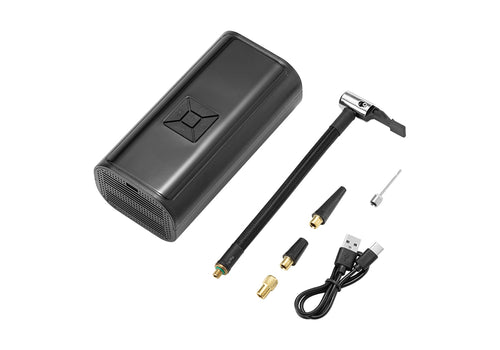
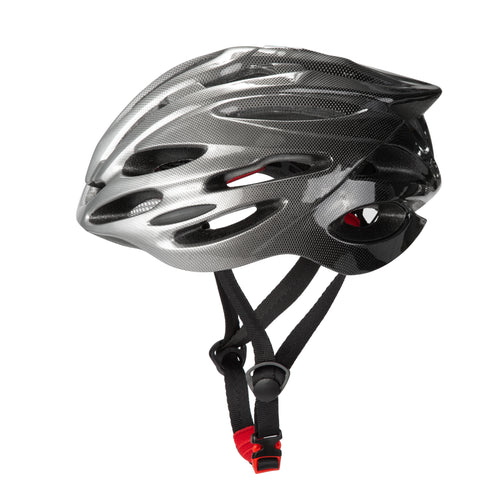
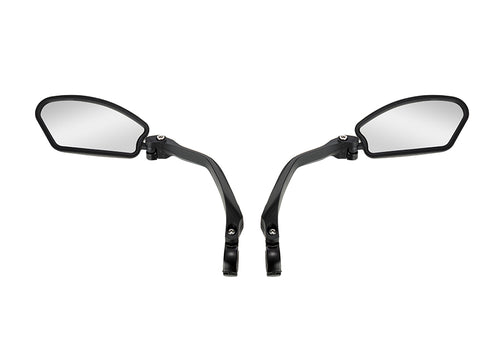
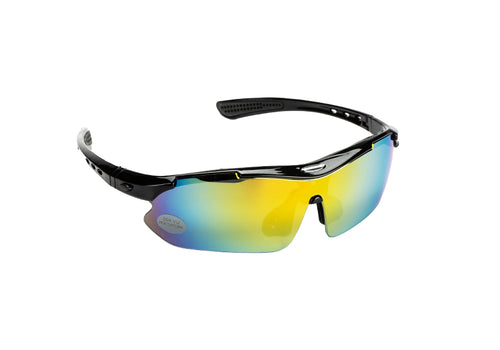













A 20-mile e-bike commute is realistic for many riders, especially with a comfortable electric bike, a manageable route, and enough battery range for the return trip. However, riding 20 miles to work also means covering 40 miles daily, which makes battery performance, travel time, and riding comfort particularly important.
Is a 20-Mile E-Bike Commute Realistic?
A 20-mile commute is manageable on an electric bike, but it requires more planning than a short neighborhood ride. The biggest considerations are how long you'll spend traveling, how demanding your route is, and whether you can comfortably repeat the journey throughout the workweek.

How Long Does It Take to Commute 20 Miles by E-Bike?
Electric bikes can make longer commutes more practical by providing pedal assistance, particularly when accelerating from stops or climbing hills. Still, your average speed matters more than the bike's maximum assisted speed when estimating travel time.
|
Average Riding Speed |
Time for 20 Miles |
Daily Round-Trip Time |
|
12 mph |
100 minutes |
3 hours 20 minutes |
|
15 mph |
80 minutes |
2 hours 40 minutes |
|
18 mph |
67 minutes |
2 hours 13 minutes |
|
20 mph |
60 minutes |
2 hours |
For someone traveling on continuous bike paths, a 20-mile commute may feel relatively straightforward. A route with frequent intersections, heavy traffic, or steep hills could take considerably longer.
Before committing to this distance, try riding your planned route during normal commuting hours. The experience will give you a more useful estimate than calculating distance alone.
Is a 40-Mile Round Trip Practical Every Day?
A daily 40-mile round trip is possible, but practicality depends on your schedule, fitness, and riding environment.
Spending more than two hours commuting each day may be manageable for someone who enjoys cycling, while another rider might prefer alternating between an e-bike and other transportation.
Route quality also makes a difference. Protected bike lanes, smooth pavement, and secure parking can improve the experience considerably.
How Much E-Bike Range Do You Need for a 40-Mile Round Trip?
For a 40-mile daily commute, look for an electric bike with enough real-world battery range to complete the journey while leaving a reasonable reserve. A bike advertised for exactly 40 miles may not consistently cover that distance under everyday conditions.
Advertised Range vs. Real-World Commuting Range
Manufacturers generally estimate e-bike range under specific riding conditions. Actual results can change depending on several factors:
- Pedal assist level: Higher assistance typically increases battery consumption.
- Riding speed: Maintaining higher speeds generally requires more energy.
- Terrain: Repeated climbs can reduce the distance available per charge.
- Rider and cargo weight: Heavier loads increase the power needed for acceleration and climbing.
- Weather: Headwinds and cold temperatures can affect range.
This is why a commuter planning to ride 40 miles daily should consider more than the maximum advertised figure.
An electric bike with independently tested range results can provide a more useful starting point, especially when the test includes both low- and high-assist riding.
Can You Complete the Commute Without Charging at Work?
Yes, provided your bike has sufficient usable range for the entire route.
For example, an electric bike that achieves more than 50 miles in a relevant real-world test may have the potential to complete a 40-mile round trip without workplace charging. However, that leaves limited room for changes in speed, terrain, weather, or battery condition.
If your commute regularly involves steep hills, higher assistance, or strong headwinds, charging at work can provide additional flexibility.
What Should You Look for in a Long-Range Commuter E-Bike?
A long-range commuter electric bike needs more than a large battery. It should deliver practical range, comfortable handling, predictable assistance, and reliable stopping performance.
These qualities become increasingly important when you're spending an hour or more riding in each direction.
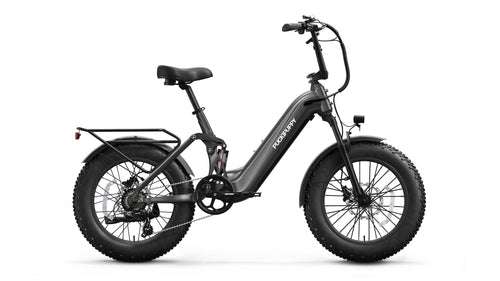
The PUCKIPUPPY Poodle Pro offers an example of how these features can come together in a commuter-focused electric bike. More importantly, its performance has been evaluated by the Electric Bike Report, providing useful information beyond the manufacturer's specifications.
Real-World Range Test: Up to 87.37 Miles
In a review published on September 25, 2026, Electric Bike Report tested the Poodle Pro for range, speed, hill climbing, braking, and ride quality.
The range results were particularly relevant to riders considering longer daily commutes.
|
Range Test |
Poodle Pro Result |
Comparable Bike Average |
|
Low-assist test |
87.37 miles |
65.97 miles |
|
High-assist test |
54.92 miles |
34.47 miles |
The Poodle Pro is equipped with a 48V 15Ah battery, providing 720Wh of capacity. Its manufacturer-stated range is 45–75 miles, but the independent low-assist test reached 87.37 miles.
That result is encouraging for riders prioritizing battery endurance. However, the conditions behind the figures are equally important.
Electric Bike Report conducted its low-power test using pedal assist level 2 rather than level 1. The bike was also tested with its factory power-intensity setting of 3, which produced relatively modest power delivery and lower average speeds.
In the high-assist range test, the Poodle Pro averaged approximately 15.05 mph. The reviewer noted that increasing the intensity setting to 5 would provide stronger acceleration and hill-climbing response, but would also reduce range.
Comfort and Convenience for Everyday Commuting
Range matters, but comfort can determine whether a long commute remains enjoyable after several weeks.
The Poodle Pro features a step-through frame designed for convenient mounting and dismounting. This is particularly useful when navigating intersections, stopping frequently, or getting on and off the bike in work clothes.
Its adjustable stem and backswept handlebars allow riders to modify their riding position. A more upright posture may appeal to commuters who prioritize comfort over an aggressive cycling position.
The bike also includes a front suspension fork and 27.5 × 2.4-inch street-oriented tires. Together, these components help manage uneven pavement and everyday road imperfections.
Electric Bike Report highlighted the bike's balance between stability and maneuverability, as well as the comfort provided by the suspension fork and adjustable riding position.
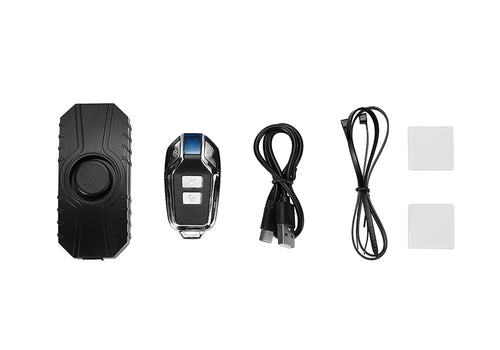
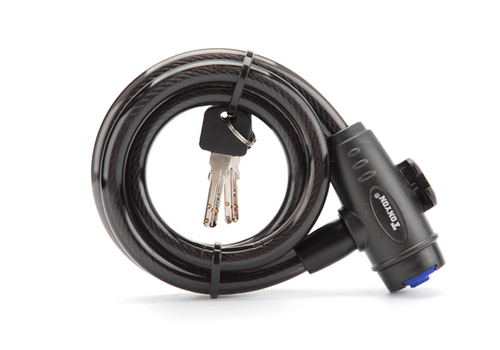
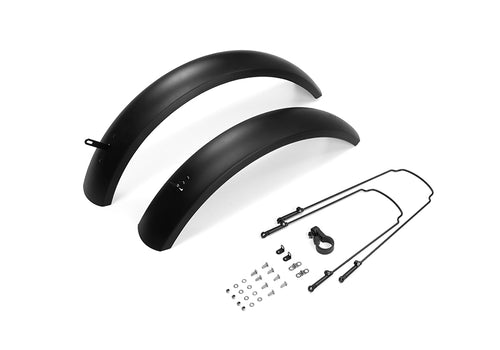
Additional commuting features include integrated lights, fenders, and a removable display. The display functions as an electronic key when removed, although a strong physical lock is still necessary when parking.
For a rider covering 20 miles each way, these details can be just as meaningful as a few extra miles of advertised range.
Poodle Pro Ebike
Motor Performance, Hill Climbing and Braking
Long-distance commuting doesn't always involve steady cruising. City routes often require repeated acceleration, occasional climbs, and controlled stops.
The Poodle Pro uses a 750W rear hub motor with a reported peak output of 1,350W and 75 Nm of torque.
It also offers both torque and cadence sensor modes, allowing riders to select different pedal-assist responses.
Torque sensing generally provides assistance in relation to pedal effort, while cadence sensing responds to pedaling motion. The Poodle Pro's settings allow riders to adjust how the motor behaves, although the reviewer noted that its default torque-sensor response could feel relatively subdued.
In Electric Bike Report's hill test, the Poodle Pro completed the climb in 2 minutes using maximum pedal assist, close to the comparable-bike average of 1 minute 59 seconds. This suggests competent climbing performance rather than a class-leading advantage.
The review also recorded an average stopping distance of 22 feet 3 inches from 20 mph, compared with a category average of 21 feet 5 inches.
Its hydraulic disc brakes, adjustable assistance, and commuter-oriented handling make the Poodle Pro worth considering for riders whose daily routes include changing speeds, hills, and frequent stops.
Related Reading: Torque Sensor vs. Cadence Sensor: Which Is Better for an E-Bike?
How to Prepare for a Long E-Bike Commute
Even with a capable long range electric bike, preparation can make a significant difference to the daily experience.
Start by choosing a route that prioritizes safe, predictable riding. A slightly longer journey using protected bike lanes may be preferable to a shorter route with heavy traffic or difficult intersections.
Check whether your workplace offers secure bicycle parking and permission to charge an e-bike battery. For longer commutes, having a charging option can provide useful flexibility even if you don't need it every day.
Carrying a laptop, spare clothing, or lunch also affects comfort. A properly fitted rack or pannier can be more convenient than wearing a heavy backpack throughout the ride.
The weather deserves attention as well. Strong winds, rain, and colder temperatures may increase travel time or change your battery requirements.
Finally, consider starting with two or three commuting days per week. This allows you to assess your route, average travel time, battery use, and physical comfort before making longer e-bike commuting a daily routine.

Make Your Daily Commute Easier
A 20-mile e-bike commute is achievable with the right preparation. Focus on a safe route, realistic travel times, and enough battery range for the round trip. Start with a few trial rides, adjust your routine as needed, and find a commuting schedule that works for you.
Explore our commuter electric bikes and find the right fit for your daily ride.