














Getting into the hunting ground is often the easy part. The harder question comes later: how do you get your gear and a heavy load of quartered game or packed meat back to the truck without making the return trip exhausting?
An e-bike can pull a hunting trailer, but safe towing depends on more than motor power. The bike, trailer, hitch, load, terrain, brakes, and battery reserve all need to work together.
How Much Weight Can an E-Bike Pull on a Hunting Trailer?
The first thing to understand is that bike payload and trailer capacity are not the same thing. If an e-bike has a 400 lb maximum payload, that number typically includes the rider and anything carried on the bike itself. It does not automatically mean the bike is rated to tow a 400 lb trailer. Around 100 lbs is also a common maximum rating among hunting-specific e-bike trailers sold in the U.S.
The trailer rating is only the starting point. Rough terrain, long climbs, soft ground, and steep descents may require a much lighter load.
|
Load Range |
Typical Hunting Use |
Where It Makes More Sense |
|
25–60 lbs |
Stand, pack, water, clothing, tools |
Scouting and lighter gear trips |
|
60–100 lbs |
Blind, bow case, cooler, packed gear |
Rougher trails and mixed terrain |
|
100–150 lbs |
Camp gear, meat bags, bulkier loads |
Dry two-track and wider access roads |
|
150–200 lbs |
Heavy gear or packed game |
Shorter hauls on favorable terrain with a properly rated setup |
The trailer’s published load rating is still the upper equipment limit, not a target. If the trailer starts pushing the bike downhill, steering becomes difficult, or braking distance increases sharply, the load is too demanding for that route.

Which Hunting Trailer Works Best for Your Terrain?
The best hunting e-bike trailer depends as much on the trail as on the load. A single-wheel trailer is usually easier to thread through narrow timber and tight singletrack, while a two-wheel trailer gives heavier or bulkier loads a more stable platform on wider roads and trails.
|
Trail or Use |
Single-Wheel Trailer |
Two-Wheel Trailer |
|
Narrow singletrack |
Better fit |
May be too wide |
|
Tight turns and dense woods |
Easier to follow the bike’s line |
Needs more turning room |
|
Fire roads and double-track |
Works well |
Usually the better fit |
|
Heavy or bulky loads |
More sensitive to balance |
More stable at low speed |
|
Loading while stopped |
Needs more attention to balance |
Stays upright more easily |
|
Deep ruts or side obstacles |
Narrow profile helps |
Outside wheel may catch or drop into uneven ground |
Single-Wheel Trailers for Tight Hunting Trails
A single-wheel trailer tracks closely behind the rear wheel, so it can follow the bike through narrow gaps, switchbacks, and wooded trails without adding much width. That makes it especially useful for hunters heading toward a stand or backcountry area on singletrack.
The tradeoff is balance. As the load gets heavier, poor weight distribution becomes more noticeable, especially during slow starts, steep climbs, and uneven sections. Single-wheel trailers generally work best when the load is moderate and packed low and centered.
Two-Wheel Trailers for Heavier Pack-Outs
A two-wheel trailer supports its own load and stays upright more easily when stopped, which makes it easier to load game bags, coolers, tree stands, or other bulky gear. It is usually the more practical setup for wider forest roads, gravel access roads, and slower pack-outs where stability matters more than keeping the trailer narrow.
The downside is width. One trailer wheel may hit a rut, rock, tree root, or trail edge that the bike itself clears, so tight timber and narrow gates can quickly become a problem.
For most hunters, the simplest rule is this: choose a single-wheel trailer when trail width and maneuverability are the main challenge, and choose a two-wheel trailer when load stability and cargo volume matter more.

What Changes When You Tow a Loaded Hunting Trailer?
Expect Less Range
Towing adds weight and rolling resistance, so the bike will use more battery than it does on an unloaded ride. As a rough planning reference, some e-bike trailer manufacturers estimate that a heavily loaded trailer can reduce range by around 15% to 25% on relatively favorable routes, with larger losses possible on steep climbs, soft ground, mud, or strong headwinds.
Give Yourself More Room to Stop
Extra weight increases stopping distance, and the effect becomes more important on descents. Slow down earlier than usual before downhill turns and obstacles. Strong brakes matter, but good traction and a controlled load matter just as much. A bike that can pull a load uphill is not automatically a bike that can control the same load coming back down.
Hills Take More Out of the Bike
Climbing with a trailer puts additional demand on the motor and battery, particularly when starting from low speed. The same hill that feels easy on an unloaded electric hunting bike can require much more assistance once 50, 100, or more pounds are added behind it.
Turning and Low-Speed Handling Feel Different
A trailer adds length and changes how the bike moves through tight turns. Two-wheel trailers also add width, which matters around trees, rocks, gates, and deep ruts. At low speed, a heavy load can make starts and sharp turns feel less predictable.
Hunters towing for the first time should practice with a moderate load before relying on the setup deep in the field. Try a few controlled stops, turns, and short climbs. If the trailer sways, pushes the bike during braking, or makes steering difficult, reduce the load or adjust how it is packed before going farther.

How to Load and Prepare a Hunting E-Bike Trailer
Load the Trailer in the Right Order
Start with the heaviest items and keep them low and close to the center of the trailer. Put lighter, bulkier gear on top or around them.
- Low and centered: cooler, packed game, dense camp gear, tools
- Along the sides: boots, clothing, smaller bags
- On top: lightweight packs, jackets, soft gear
- Separate and secured: stands, shooting sticks, sharp tools, loose metal hardware
Avoid putting most of the weight at the very rear of the trailer. A rear-heavy setup can feel unstable through turns and may increase trailer movement during braking.
If the trailer will be much heavier on the return trip, leave enough room to reposition gear after adding game instead of simply stacking the new load on top.
Strap the Load So It Cannot Shift
Use at least two secure tie-down points for larger or heavier loads. After tightening the straps, push and pull the load by hand. If it can slide, tip, or rock inside the trailer while parked, it can move even more once the bike hits roots, ruts, or gravel.
Game bags, coolers, stands, and packs should not be able to slide forward under braking. Loose metal equipment should also be tied down separately to keep it from shifting or rattling on the way in.
Carry at least one extra strap. A strap can loosen, get damaged, or become useful when the return load is different from what was carried in.
Check the Hitch Before You Roll
Before loading the trailer heavily, confirm that the hitch and axle connection are fully seated and that any pin, clip, or retaining hardware is secured.
Then move the bike through a few tight turns by hand. Make sure the trailer or hitch does not contact the tire, frame, brake rotor, derailleur, or rack.
Also check the trailer and e-bike tire pressure, brake feel, battery charge, trailer wheel hardware, hitch pin or safety clip, and cargo straps, then repeat the check after adding game or significantly changing the load.
Do a Short Loaded Test Ride
During the test ride, watch for trailer sway, difficult steering, wheel rub, loose hardware, shifting cargo, or the trailer pushing the bike under braking. Correct the problem and recheck the hitch and straps before continuing.
Carry a Few Trailer-Specific Essentials
A small repair kit can prevent a simple problem from turning into a long walk back to the truck. Useful items include:
- One or two spare straps
- Multitool or the correct hitch wrench
- Tire repair kit
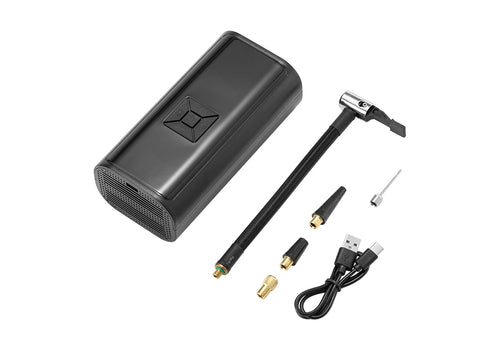
- Compact pump
- Spare hitch pin or retaining clip if the trailer uses one
- Work gloves
When Hunting Routes Get Longer and Gear Gets Heavier
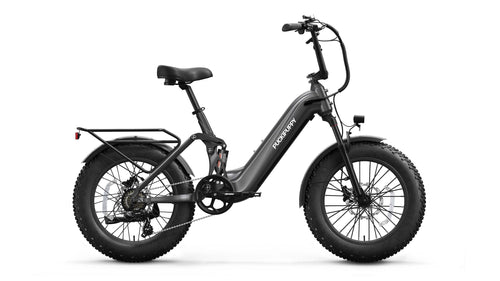
For hunters planning to use an e-bike with a trailer, longer access roads and heavier return loads make battery reserve, traction, and braking more important. The Puckipuppy Bulldog Pro uses dual 48V 15Ah batteries with an estimated range of 80 to 130 miles, giving riders more reserve when towing adds extra weight and energy demand.
Its 26" × 4" fat tires, full suspension, and hydraulic disc brakes are also useful on gravel, forest roads, and uneven terrain where a loaded trailer can make the bike harder to control.
The Bulldog Pro supports up to 400 lbs on the bike itself, leaving more flexibility for a rider and hunting gear before a trailer is added. Its dual-battery and off-road setup make it a practical option for longer, gear-heavy hunting routes, although trailer compatibility and safe towing still depend on the hitch, trailer rating, terrain, and manufacturer guidance.
Bulldog Pro
Choose the Right Setup Before the Hunt
A hunting e-bike trailer can make it much easier to move gear and pack out game, but the setup should always match the route. Trail width, terrain, load weight, battery reserve, braking, and trailer compatibility all matter once extra weight is added behind the bike.
Plan around the heavier return trip, keep the load within the rated limits of the bike and trailer, and test the setup before relying on it deep in hunting country.
For riders building a setup for longer access roads, rough terrain, and gear-heavy trips, explore the Puckipuppy Hunting E-Bikes lineup to compare models designed for different hunting routes and riding needs.