














Getting to a deer stand without creating unnecessary disturbance is one reason hunters use an e-bike for hunting. Compared with a gas-powered vehicle, an e-bike can reduce engine noise on established access trails, but that does not mean deer will ignore the approach. Tire noise, loose gear, braking, rider movement, human scent, and changing trail conditions can all make a difference.
There is also no single distance that works for every deer hunting setup. A smooth trail with good cover may allow a rider to get relatively close, while dry leaves, gravel, exposed terrain, bedding areas, or known deer travel routes may make it smarter to park earlier and finish the approach on foot.
The goal is not to make the bike completely undetectable. It is to use it where it helps reduce effort and unnecessary disturbance, then recognize when walking becomes the quieter and more controlled way to reach the stand.
Do E-Bikes Spook Deer?
An e-bike can still spook deer. The advantage is that it removes the engine noise and exhaust associated with a gas-powered ATV, but the bike is only one part of the approach. Deer can still pick up on tire noise, braking, rattling gear, visible movement, and human scent.
How much disturbance a hunting e-bike creates also depends on where and how it is ridden. A smooth dirt access road may allow for a relatively quiet approach, while gravel, dry leaves, sticks, or uneven ground can make the same bike much easier to hear. Riding faster or carrying loosely secured equipment can add even more noise.
For deer hunters, the more useful question is not whether an e-bike is completely silent, but whether riding it creates less disturbance than continuing by another method. An e-bike may work well for covering the longer part of an access route, but the closer the route gets to bedding areas, travel corridors, or the stand itself, the more important it becomes to consider slowing down or finishing on foot.

How Close Should You Ride an E-Bike to a Deer Stand?
There is no fixed distance that every hunter should follow when riding toward a deer stand. A 50-, 100-, or 200-yard rule may sound simple, but it ignores differences in terrain, wind, cover, deer movement, and trail conditions.
Instead, decide where to stop based on what is happening along that particular approach.
|
What You Encounter |
What Makes More Sense |
|
Smooth dirt trail with good cover |
Continue slowly if e-bike access is permitted |
|
Known deer trail ahead |
Park earlier and finish the approach on foot |
|
Near a bedding area |
Leave a larger walking buffer |
|
Gravel, dry leaves, or branches become noisy |
Consider walking before getting closer |
|
Open ground with little cover |
Stop before the bike and rider become easy to see |
|
Rack, cargo, or trailer begins rattling |
Fix the noise or park the bike |
|
Trail becomes narrow or difficult to ride smoothly |
Continue on foot |
Wind direction should also influence the decision. A quiet bike does little good if the approach carries human scent toward an area where deer are expected to travel or bed. The shortest route to the stand is not always the best route.
The practical rule is simple: stop riding when the e-bike is more likely to reveal the approach than help make it quieter.
On some properties, an established trail with good cover may allow riding relatively close. In dense woods, noisy ground, or areas with frequent deer movement, the final section may be better covered on foot.
What Makes a Hunting E-Bike Noisy—and How Can You Reduce It?
The motor is only one source of noise on a hunting e-bike. On rough access trails, tires, brakes, racks, loose straps, tools, and trailers can become just as noticeable—or more noticeable—than the electric drive itself.
That is why a quiet approach depends on the entire bike-and-gear setup.
|
Noise Source |
How to Reduce It |
|
Tires on gravel, sticks, or dry leaves |
Slow down and choose the smoothest available line |
|
Motor under heavier assistance |
Use smoother, lower-speed assistance near the final approach |
|
Brakes |
Check for rubbing or unusual squealing before the hunt |
|
Rack and cargo |
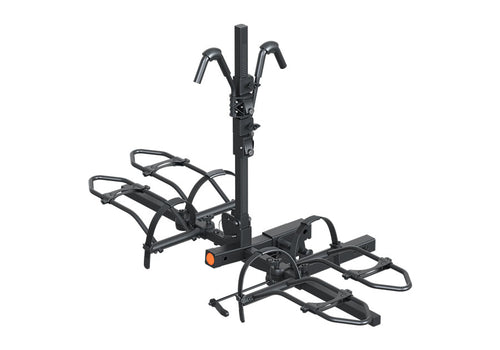
Tighten mounts and secure anything that can bounce or shift |
|
Buckles and metal gear |
Prevent metal-on-metal contact |
|
Trailer |
Check for rattling over roots, rocks, and uneven ground |
Speed matters as well. Riding slowly and steadily on an established trail generally makes it easier to avoid sudden acceleration, hard braking, and impacts with rocks or branches. Close to the hunting area, smooth control is more useful than getting there quickly.
Before the final approach, take a moment to listen to the complete setup. Tighten loose gear, secure straps, make sure tools are not shifting inside bags, and check for brake or rack noise.
A bike with a quiet motor can still be a noisy hunting setup if a buckle, rack, trailer, or piece of gear rattles over every bump.

Where Should You Park Your E-Bike While Hunting?
Park the e-bike where it stays out of likely deer movement and does not create extra activity close to the stand. In most cases, that means avoiding known deer trails, bedding areas, food-plot edges, and open areas where the bike is easy to see.
Natural cover can help make a parked bike less noticeable, but location matters more than simply hiding it behind brush. Consider wind direction, expected deer movement, and how much activity will be required after parking.
It also helps to organize equipment before reaching the final parking point. Have the gear needed for the stand ready rather than arriving close to the hunting area and then spending several minutes opening bags, adjusting a bow, removing straps, or moving equipment between the bike and the stand.
The parking location should also make the return trip practical. After the hunt, the route may be darker, the weather may have changed, or additional equipment may need to be carried back.
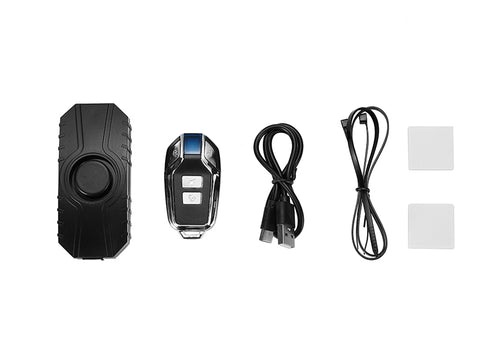
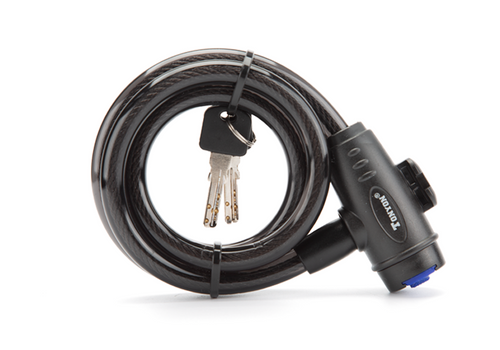
On public land or other shared hunting areas, security is another consideration. Lock the bike when practical and avoid leaving easily removable valuables exposed. A useful parking spot should balance concealment, deer movement, quiet access, security, and a straightforward route back out.
Check E-Bike Access Rules Before Riding In
Before using an e-bike to reach a hunting area, confirm that the route actually permits e-bike access. Rules can vary by land manager, trail designation, state, and location, and permission to use a bicycle on a route does not automatically mean every type of e-bike is allowed there.
This is particularly important on public land. Check current land-management rules, official maps, and posted signs before the hunt rather than assuming that an access road or trail is open to e-bikes.
For more information on planning legal hunting access, see Where Can You Hunt With an E-Bike? 4 U.S. Public-Land Destinations.
Choosing an E-Bike for the Ride to Your Deer Stand
For this type of deer hunting access, the most useful e-bike is one that can handle the longer ride toward the hunting area while still offering predictable control on changing terrain. Rough forest roads, gravel, uneven ground, and frequent stops can matter more here than outright speed.
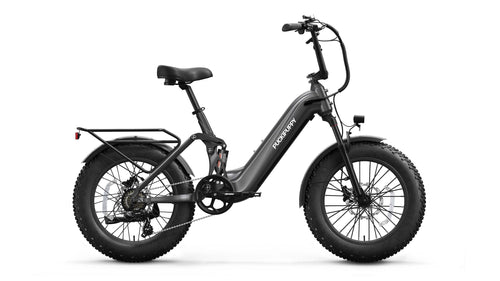
The Puckipuppy Labrador Pro ST Camouflage is designed around those kinds of outdoor conditions. Its fat tires and full-suspension setup are suited to mixed access surfaces, while the torque-and-cadence sensing system provides smoother pedal assistance as the terrain changes. The step-through frame also makes getting on and off easier when riding with hunting gear.
Key Specs
- Sensor: Torque + Cadence Sensor
- Tires: 26 × 4 in. fat tires
- Suspension: Full suspension with 130 mm adjustable front fork
- Range: 40–80 miles
- Frame: Step-through
For hunters traveling along longer access roads or wooded trails, these features can make the ride toward a deer stand more manageable and comfortable. The bike is best used for the part of the route where riding still makes sense; once the approach reaches active deer movement, noisy ground, or limited cover, parking the bike and completing the final section on foot may still be the better choice.
Labrador Pro ST Ebike
A Better E-Bike Approach Starts With Knowing When to Stop
An e-bike does not need to be completely silent to be useful for deer hunting. What matters is how it is used. Riding slowly, securing noisy gear, choosing the right access route, watching the wind, and recognizing when it is time to finish the approach on foot can all help limit unnecessary disturbance.
For hunters looking for bikes designed around rough access roads, mixed terrain, cargo, and longer outdoor rides, explore Puckipuppy’s Hunting E-Bikes and compare models based on the terrain and hunting access needs that matter most.