














The main difference between a mid-drive motor and a hub motor is where the motor is located and how it delivers power to the wheel.
A hub motor is installed in the center of the front or rear wheel and drives the wheel directly. It usually has a simpler drivetrain setup, delivers power directly to the wheel, and places less additional stress on the chain and cassette. For these reasons, hub motors are commonly used for daily commuting, recreational riding, and general outdoor routes.
A mid-drive motor is mounted near the center of the bike frame. It transfers power to the rear wheel through the chain, chainring, and cassette. Because it works through the bike’s gearing system, the rider can use different gears to keep the motor operating within a suitable rpm range.
However, a mid-drive motor is not automatically better than a hub motor, and a hub motor should not simply be viewed as an entry-level option. Each system involves trade-offs in ride feel, climbing performance, drivetrain wear, maintenance costs, and price.
The right choice depends on the terrain, hill grade, riding frequency, budget, maintenance preferences, and the type of handling experience you want.
What Is a Hub Motor?
A hub motor is an electric motor installed in the center of an e-bike’s wheel. It is most commonly mounted in the rear wheel, although some e-bikes use a front hub motor. When the rider engages pedal assist or uses the throttle, the hub motor turns the wheel directly.
The main advantage of this design is its simplicity. Because the motor drives the wheel directly without relying on a complex drivetrain, hub motor systems are generally less expensive to manufacture and have fewer mechanical parts that require maintenance.
For many riders, the main appeal of a hub motor is its straightforward operation. Once pedal assist or the throttle is engaged, the motor provides steady, predictable assistance without relying on the bicycle’s gears.

What Is a Mid-Drive Motor?
A mid-drive motor is mounted near the center of the e-bike frame, usually around the crank and pedal area. Unlike a hub motor, which directly drives the wheel, a mid-drive motor sends power through the bike’s existing chain and gear system.
The main advantage of this design is that the motor can make full use of the bike’s gears.
On flat roads and moderate terrain, either motor type can usually provide sufficient assistance. However, when riding up steep hills, traveling over dirt trails, or carrying a heavier load, a mid-drive motor can work with the bike’s gearing system to adjust how power is delivered. This helps the motor operate more efficiently during long climbs and low-speed uphill riding.
However, this advantage also depends more heavily on proper gear shifting. Because the motor sends additional power through the drivetrain, components such as the chain and cassette are placed under greater stress and may wear more quickly.

Mid-Drive Motor vs. Hub Motor: Key Differences
Motor Location and Power Delivery
A hub motor is installed in the center of the front or rear wheel and provides power by driving the wheel directly. Because the system is relatively simple and does not rely on the bike’s chain or gearing system, it can deliver steady, direct power and is generally easier to maintain.
A mid-drive motor is mounted near the center of the frame, usually around the crank and pedal area. It transfers power through the bike’s chain and gears, allowing the motor to work with the drivetrain and adjust power delivery more efficiently across different riding conditions.
Power Performance and Hill-Climbing Ability
An e-bike’s real-world performance depends on more than just the motor type or rated wattage. Torque, controller tuning, battery output, total bike weight, tire size, hill grade, and rider weight can all affect how the bike performs.
A hub motor delivers power directly to the wheel without sending motor torque through the bicycle’s chain and cassette. On flat roads, urban routes, moderate hills, and general unpaved surfaces, it can provide steady and responsive assistance. A high-power, high-torque hub motor can also handle certain inclines, although its actual climbing ability depends on the motor specifications and the bike’s overall setup.
A mid-drive motor can take advantage of the bike’s gearing system. When the rider shifts into a lower gear while climbing, the motor can operate within a more efficient rpm range. This usually gives mid-drive systems an advantage on long, steep climbs, low-speed uphill sections, and technical mountain trails.
For regular roads and general outdoor riding, both motor types can provide effective assistance. On sustained steep climbs and complex terrain that requires frequent gear changes, the advantages of a mid-drive motor are usually more noticeable.
Ride Feel and Handling
The location of the motor also affects how an e-bike feels while riding.
A mid-drive motor is usually positioned near the center of the frame, which helps keep more of the bike’s weight concentrated around the middle. However, the actual balance and handling also depend on the battery location, frame design, suspension, tires, and overall bike weight.
A hub motor places more weight in either the front or rear wheel and usually delivers a more direct power response. Different motor placements and bike designs can create noticeably different riding characteristics.
Price and Maintenance Costs
Price and maintenance are also important factors for many riders when choosing between motor types.
Because hub motors have a simpler design and fewer components, they are generally more affordable and usually cost less to maintain.
Mid-drive motors can make better use of the bike’s gears and often perform better on sustained climbs and low-speed, high-load routes. However, the system itself is usually more expensive, and the drivetrain may require more frequent maintenance.

Quick Comparison
|
Comparison |
Hub Motor |
Mid-Drive Motor |
|
Main Feature |
Direct power delivery with a relatively simple design |
Works with the bike’s gearing system to adjust power delivery |
|
Hill-Climbing Performance |
Depends on motor power, torque, and the bike’s overall configuration |
Generally performs better on sustained steep climbs and low-speed uphill sections |
|
Weight Distribution |
Motor weight is concentrated in the front or rear wheel |
Motor weight is positioned near the center of the frame |
|
Drivetrain Wear |
Motor power does not pass through the chain or cassette |
The chain, chainring, and cassette must handle the motor’s power |
|
Maintenance Focus |
Motor wheel, wiring, and wheel components |
Motor system and bicycle drivetrain components |
|
Typical Price |
Usually lower |
Usually higher |
|
Best Suited For |
Everyday riding, recreational routes, and general outdoor use |
Sustained climbing, technical terrain, and riding with heavier loads |
Which Motor Is Better for Your Riding Style?
Neither motor type is universally better. The right choice depends on where you ride, how often you use the bike, and what kind of performance you need.
If your main uses include daily commuting, city riding, weekend recreation, or light outdoor exploration, a hub motor is often the more practical option. It provides steady power assistance while offering a simpler design, lower maintenance costs, and a more affordable price. For most e-bike riders, a hub motor is more than capable of handling daily commutes, bike lanes, park paths, and routine transportation.
A mid-drive motor is generally better suited for riders who regularly climb hills, carry heavier loads, or ride on technical terrain. If your routes often include steep grades, mountain trails, or extended periods of high power demand, a mid-drive motor can work with the bike’s gearing system to use the bike’s gears to manage low-speed climbing and changing terrain more effectively.
|
Primary Riding Scenario |
Better Choice |
Why |
|
City commuting and paved roads |
Hub Motor |
Simpler design, with generally lower purchase and maintenance costs |
|
Gravel roads and campground routes |
Either |
Tire, suspension, and braking setup should also be considered |
|
Long, sustained climbs |
Mid-Drive Motor |
Can use the gearing system to keep the motor within a more efficient rpm range |
|
Technical mountain trails |
Mid-Drive Motor |
Centralized weight and low-speed torque control are often better suited to demanding terrain |
|
Sand or loose surfaces |
Cannot be judged by motor type alone |
Tire width, tire pressure, torque, and total bike weight also matter |
When Does a Fat-Tire E-Bike With a Hub Motor Make Sense?
A hub-motor fat-tire e-bike can be a practical choice for paved roads, gravel routes, campground roads, and general unpaved terrain. It delivers power directly to the wheel without sending motor force through the chain and cassette.
However, the motor should be evaluated together with the tires, battery, suspension, and overall bike design rather than by its mounting position alone.
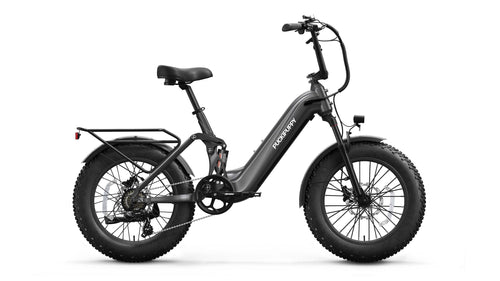
The Puckipuppy Labrador Pro is one example of a hub motor paired with an all-terrain setup. Its 750W rated rear hub motor delivers power directly to the wheel, while 26 x 4-inch fat tires and full suspension provide added traction and comfort on gravel, grass, and uneven surfaces. For routes that regularly include sustained steep climbs or technical mountain trails, however, a mid-drive model may still be the better fit.
Labrador Pro Ebike
Choose the Right Motor for Your Next Ride
Choosing between a hub motor and a mid-drive motor is not about deciding which technology is always better. It is about finding the option that best matches your riding needs.
If you primarily use your e-bike for daily commuting, city riding, recreational trips, or weekend outdoor exploration, a hub motor is often the more practical choice. It offers a simple design, steady power delivery, lower maintenance costs, and better overall value, making it suitable for the needs of most e-bike riders.
If you regularly ride in more demanding conditions, such as steep hills, mountain routes, or technical trails, the power efficiency and handling advantages of a mid-drive motor may become more noticeable.
Whether you choose a hub motor or a mid-drive motor, the key is to select a system that fits the way you actually ride. The right e-bike should support your daily transportation needs while also giving you the confidence to explore more routes and enjoy a wider range of riding experiences.
Related Reading: How to Choose an E-Bike Based on Your Height, Weight, Primary Terrain, and Riding Needs