














Carrying a dog on an e-bike or e-trike can be a great way to enjoy outdoor time together, but the right setup depends on the dog, the vehicle, and the type of riding you plan to do.
Small, calm dogs may be comfortable in a properly secured basket or rear pet carrier, while larger dogs often need the additional space and support of a trailer or a cargo-oriented setup.
Before riding, consider the dog’s size and temperament, check the total weight of the setup, secure both the carrier and the dog properly, and adjust speed and braking for the added load.
Is Your Dog Ready to Ride on an E-Bike or E-Trike?
A dog that can remain seated or lying down, tolerate movement, and stay relatively calm around traffic noise is easier to carry safely. A dog that frequently lunges at other animals, tries to jump from moving objects, or becomes highly anxious around unfamiliar sounds may need more training before riding.
Size and weight still matter because they narrow the transportation options. A small dog may fit comfortably in a properly rated basket or rear carrier, while a heavier dog can quickly exceed the capacity of a bicycle rack or pet carrier. Larger dogs generally need more room to reposition themselves, which makes a trailer or suitable e-trike cargo setup more practical than trying to fit them into an undersized basket.
Age and physical condition should also influence the decision. Senior dogs, dogs with joint or mobility problems, and dogs that tire easily may benefit from being carried rather than running alongside a bike, but they still need enough space to sit or lie in a natural position.

Basket, Pet Carrier, Trailer, or E-Trike: Which Is Better for Your Dog?
Small dogs can often ride comfortably in a basket or rear pet carrier, while larger dogs generally need the extra room of a trailer. An e-trike becomes more practical when the trip involves a dog plus groceries, camping gear, or other cargo.
|
Carrying Method |
Best For |
Main Thing to Check |
|
Front Basket |
Small, calm dogs |
Basket capacity and steering |
|
Rear Pet Carrier |
Small dogs and short daily trips |
Rack and carrier weight limits |
|
Dog Trailer |
Medium or larger dogs |
Capacity, hitch fit, braking and turns |
|
E-Trike Cargo Setup |
Dog plus additional cargo |
Total payload, secure enclosure and cornering |
Front Basket for Small Dogs
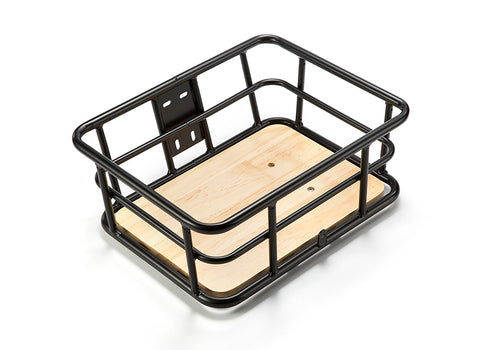
A front basket keeps the dog within sight, which can be helpful for a small dog that is still getting used to riding. The trade-off is that the extra weight sits close to the handlebars and front wheel. If the dog shifts position, the steering can feel different, especially at low speeds. The basket therefore needs to be properly mounted, rated for the dog’s weight, and large enough for the dog to sit without constantly moving around.
Rear Pet Carrier for Everyday Trips
A rear pet carrier keeps that weight away from the handlebars and is often more practical for everyday trips. The important detail is that the carrier’s capacity is only one part of the equation. The rear rack underneath it also has its own weight limit. A carrier rated for a 30 lb dog, for example, should not be used that way if the rack itself cannot support the combined weight of the dog and carrier. The dog should also have enough room to sit or lie down without sliding around during braking.
Dog Trailer for Medium or Larger Dogs
For a medium or larger dog, a trailer usually makes more sense than trying to place the dog on a standard bicycle rack. The dog’s weight is supported mainly by the trailer’s wheels, and the lower, enclosed space gives the dog more room to settle. However, a trailer increases the total length and weight of the setup. Riders need to leave more space for turns and braking and should confirm the trailer’s weight capacity, hitch compatibility, and attachment before riding.
E-Trike for Dogs and Extra Cargo
An e-trike is worth considering when pet transportation is part of a larger cargo routine. Carrying a dog together with groceries, water, or outdoor gear can quickly exceed what a normal rear rack can comfortably handle. A cargo-oriented e-trike provides more usable space and tends to feel more stable when stopped or moving slowly, but the dog still needs an appropriately secured carrier or enclosure. Three wheels also change cornering behavior, so extra cargo should be kept secure and turns should be taken at a controlled speed.
For riders who regularly combine pet trips with heavier loads, a cargo e-trike can provide a more practical platform. For example, the Puckipuppy Rottweiler Electric Trike is designed for riders who need additional carrying capacity for everyday transportation and outdoor activities. With a large cargo area, a stable three-wheel design, and a 500 lb payload capacity, it provides more flexibility for carrying a combination of passengers, gear, and other essentials.
Rottweiler
However, a higher-capacity e-trike does not remove the need for proper pet safety. The dog still needs to be secured in an appropriate carrier or enclosure, and riders should adjust speed and braking based on the total load and riding conditions.
Calculate the Total Load
Maximum payload generally needs to account for everything the bike is carrying, not just the dog.
A simple way to calculate it is:
Rider + Dog + Carrier + Bags + Locks + Other Cargo = Total Load
For example:
180 lb rider + 35 lb dog + 15 lb carrier + 10 lb gear = 240 lb total load
If the bike is rated for a 300 lb maximum payload, that setup leaves 60 lb of capacity. Keeping some margin is also useful because real trips often include items that are easy to forget when calculating the load, such as water, groceries, tools, or an additional bag.
Check the Rear Rack Separately
The rear rack can become the limiting factor even when the bike itself has plenty of payload capacity.
For example, a bike may support a much higher total load while its rear rack is rated for substantially less. In that case, the rack limit—not the bike’s overall payload—is what determines whether a dog and carrier can be placed there safely.
The carrier’s own weight counts too. A 30 lb dog in a 12 lb carrier places at least 42 lb on the rack before any additional gear is added.
Do Not Exceed the Carrier or Trailer Rating
A pet carrier, basket, or trailer also has its own maximum capacity. The dog should remain below that limit and still have enough room to sit or lie in a natural position.
For trailers, check more than the maximum pet weight. The hitch system must also be compatible with the bike, correctly installed, and able to remain secure as the trailer moves through turns or uneven pavement.

Secure the Carrier Before Securing the Dog
Start by checking the connection between the carrier and the vehicle. A pet carrier, basket, or trailer should be installed according to the manufacturer’s mounting instructions and should not shift, rotate, or wobble when pressure is applied.
For rear carriers, check that:
-
The carrier is properly attached to the rack
-
The rack can support the combined weight of the carrier and dog
-
Mounting hardware is tight before each ride
For trailers, check:
-
Hitch connection
-
Attachment points
-
Wheel and frame condition
-
Trailer stability when turning
A carrier that feels secure while parked may still move under the forces created by acceleration, braking, and uneven roads, so a quick inspection before every ride is worthwhile.
Use a Harness and Proper Restraint
Once the carrier is secure, the dog also needs to be secured inside it. A properly fitted harness is generally a better choice than attaching a restraint directly to a collar because sudden movements can place unnecessary pressure around the dog’s neck.
The restraint should be long enough for the dog to sit, lie down, and adjust its position comfortably, but short enough to prevent the dog from climbing out or jumping from the carrier.
The goal is not to restrict every movement. The goal is to keep the dog safely inside the riding area while allowing a natural and comfortable position.
Keep Loose Straps Away From Moving Parts
Small details can create major problems during a ride. Loose leashes, straps, or accessories should never be able to reach:
-
Wheels
-
Chain
-
Crank area
-
Brake components
Before starting, check that all straps are secured and nothing can swing into moving parts as the bike or e-trike begins to move.
Let Your Dog Get Used to the Carrier Before Riding
Start With the Carrier Before the Bike Moves
The first step is helping the dog view the carrier as a comfortable space rather than something unfamiliar. Place the carrier on the ground and allow the dog to enter, leave, and explore it at its own pace. Reward calm behavior so the dog begins to associate the carrier with a positive experience.
Once the dog is comfortable inside, place the carrier on the e-bike or e-trike while it remains stationary. This introduces the height, position, and feel of the setup without the added challenge of movement.
Practice Movement in Small Steps
Before taking the first ride, introduce movement gradually:
Carrier on the ground → Carrier attached to the bike → Walk the bike → Short slow ride → Longer trip
Walking the bike with the dog inside is a useful step because it introduces vibration, sounds, and small movements while keeping the rider fully in control.
The first ride should be short and take place in a quiet area with smooth pavement. Avoid busy streets, steep hills, or crowded trails until both the rider and dog are comfortable with the setup.
Signs that the dog may need more time include:
-
Repeated attempts to climb out
-
Constant movement inside the carrier
-
Shaking or appearing anxious
-
Excessive panting unrelated to normal temperature
-
Refusing to settle into a comfortable position
A calm dog should be able to remain reasonably relaxed during the ride. If a dog continues showing stress, increasing the distance or speed usually does not solve the problem. The goal is to build a positive riding experience, not force the dog to tolerate something it does not enjoy.
A successful dog-riding setup is one where the rider can focus on controlling the e-bike or e-trike while the dog remains secure and comfortable throughout the trip.
Choosing the Right E-Bike for Dog-Friendly Adventures
The safest dog-carrying setup depends on more than the carrier itself. The e-bike or e-trike should also match how you plan to ride, how much gear you carry, and the type of terrain you expect to encounter.
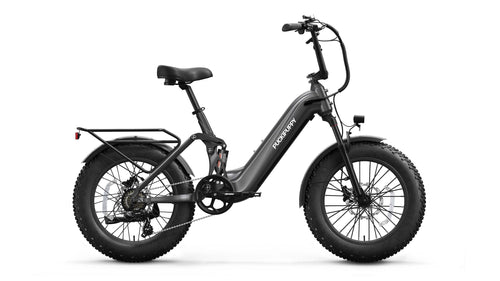
For riders who want one bike for pet trips, outdoor riding, and everyday transportation, a step-through all-terrain e-bike can provide a practical balance between accessibility and capability. The Puckipuppy Boxer ST is one example, combining a step-through frame, 26 × 4-inch fat tires, full suspension, and a 400 lb payload capacity for riders who need additional support when carrying pet accessories, outdoor gear, or other cargo.
Its 16.3-inch standover height makes mounting and dismounting easier, especially when the bike is loaded with extra equipment. The wider tires and full suspension also help provide a more comfortable ride on uneven pavement, gravel paths, and other mixed surfaces.
Boxer ST
Making Every Dog Ride Safer and More Enjoyable
The safest way to carry a dog on an e-bike or e-trike is to choose the right setup, stay within weight limits, and adjust your riding habits for the added load. With proper preparation, pet-friendly rides can become a comfortable way to enjoy more outdoor time together.
🚲 Explore Puckipuppy e-bikes, e-trikes, and pet-friendly accessories to build a setup that fits your dog, your cargo needs, and the way you like to ride. 🐕